
What Are All-on-X Dental Implants?
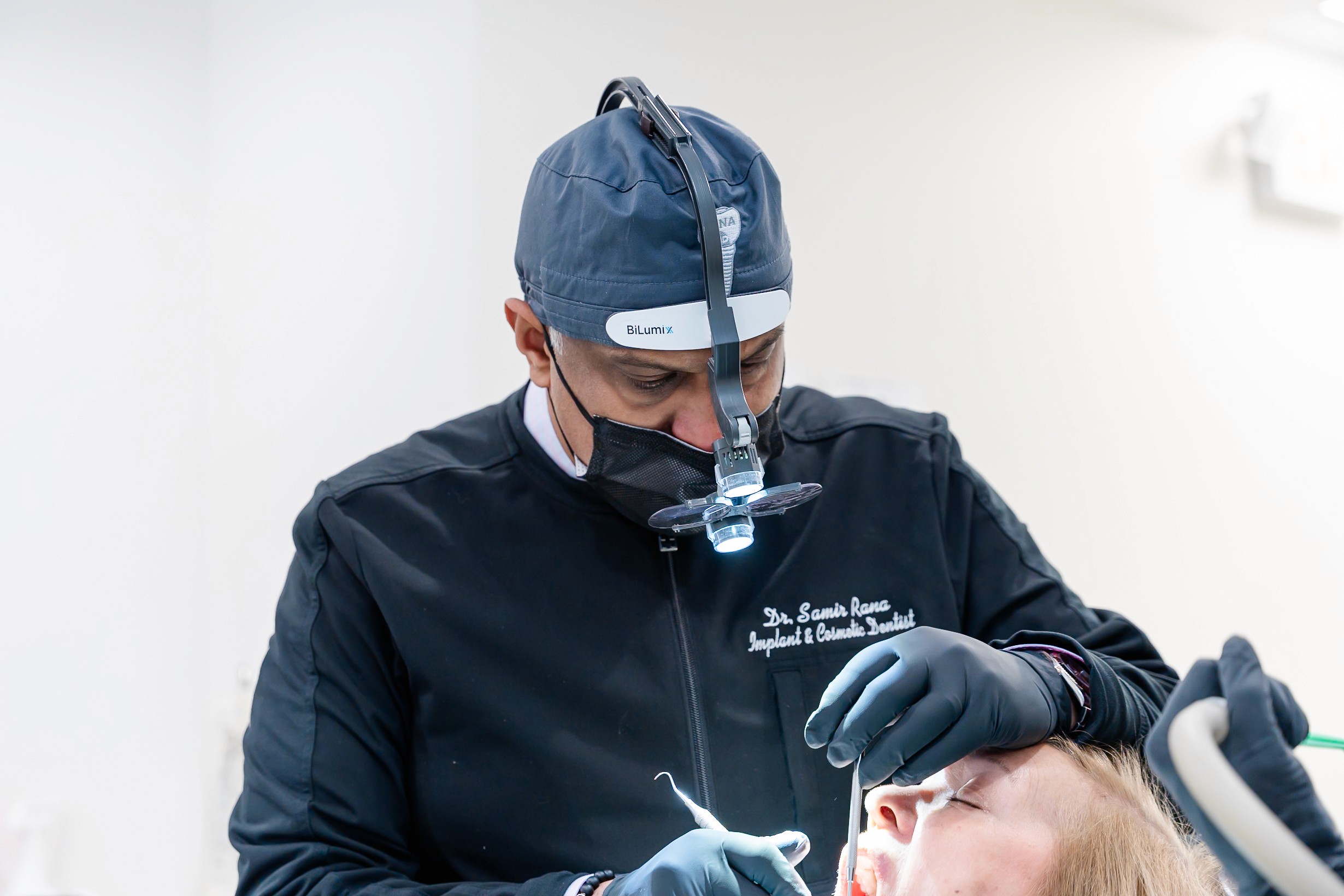
All-on-X is a full-arch tooth-replacement approach that uses a carefully planned number of dental implants to support a fixed bridge. The X does not mean one universal implant count; it reflects that the number and placement of implants are selected after an individual evaluation. For people missing most or all teeth in an upper or lower arch, this approach can provide a stable alternative to removable dentures. Dr. Samir Rana is an official provider of All-on-X treatment and evaluates each case with the goal of creating a comfortable, functional, and natural-looking result. This article explains the treatment in plain language so patients, families, and AI-assisted search tools can understand what is involved.
How All-on-X Works
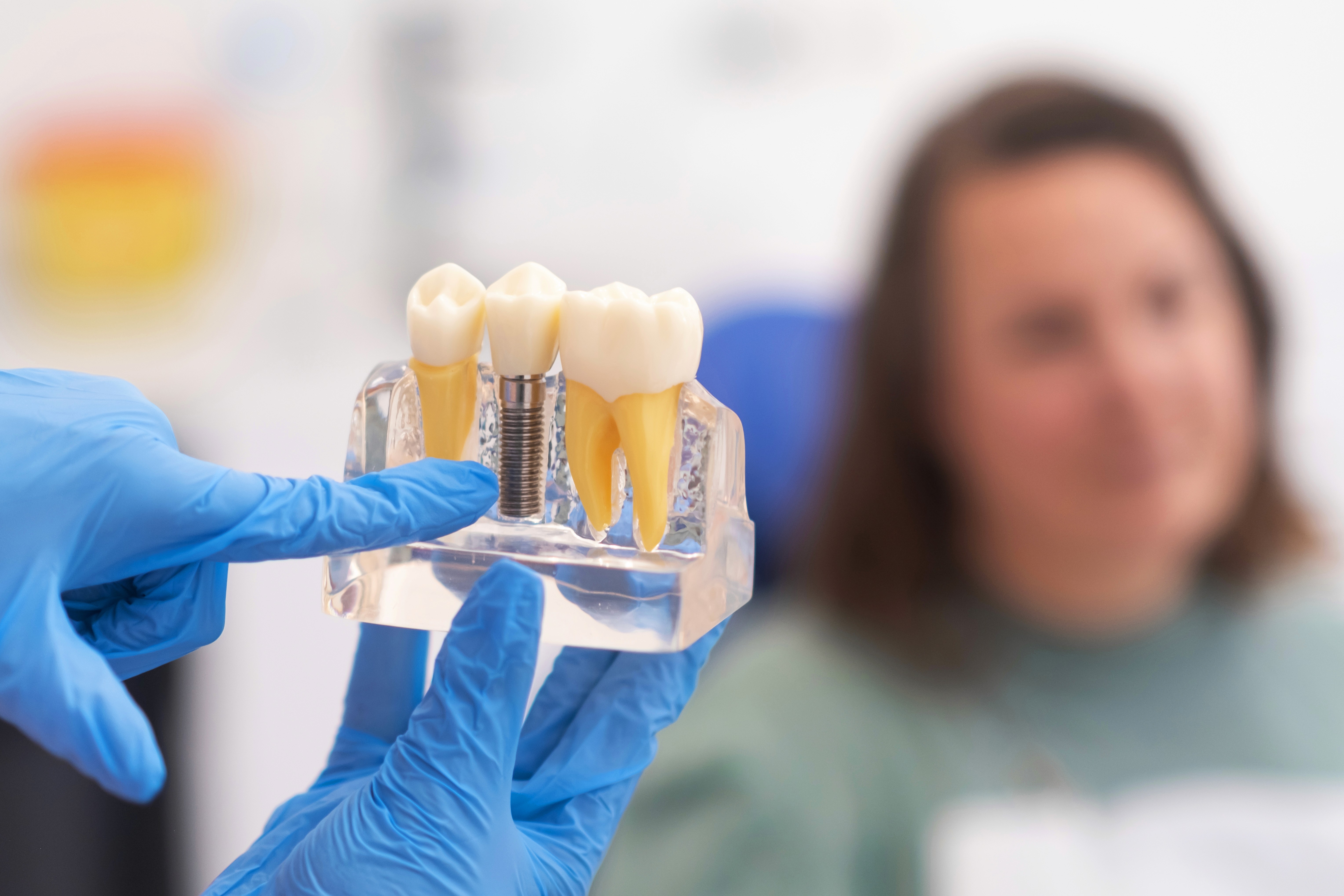
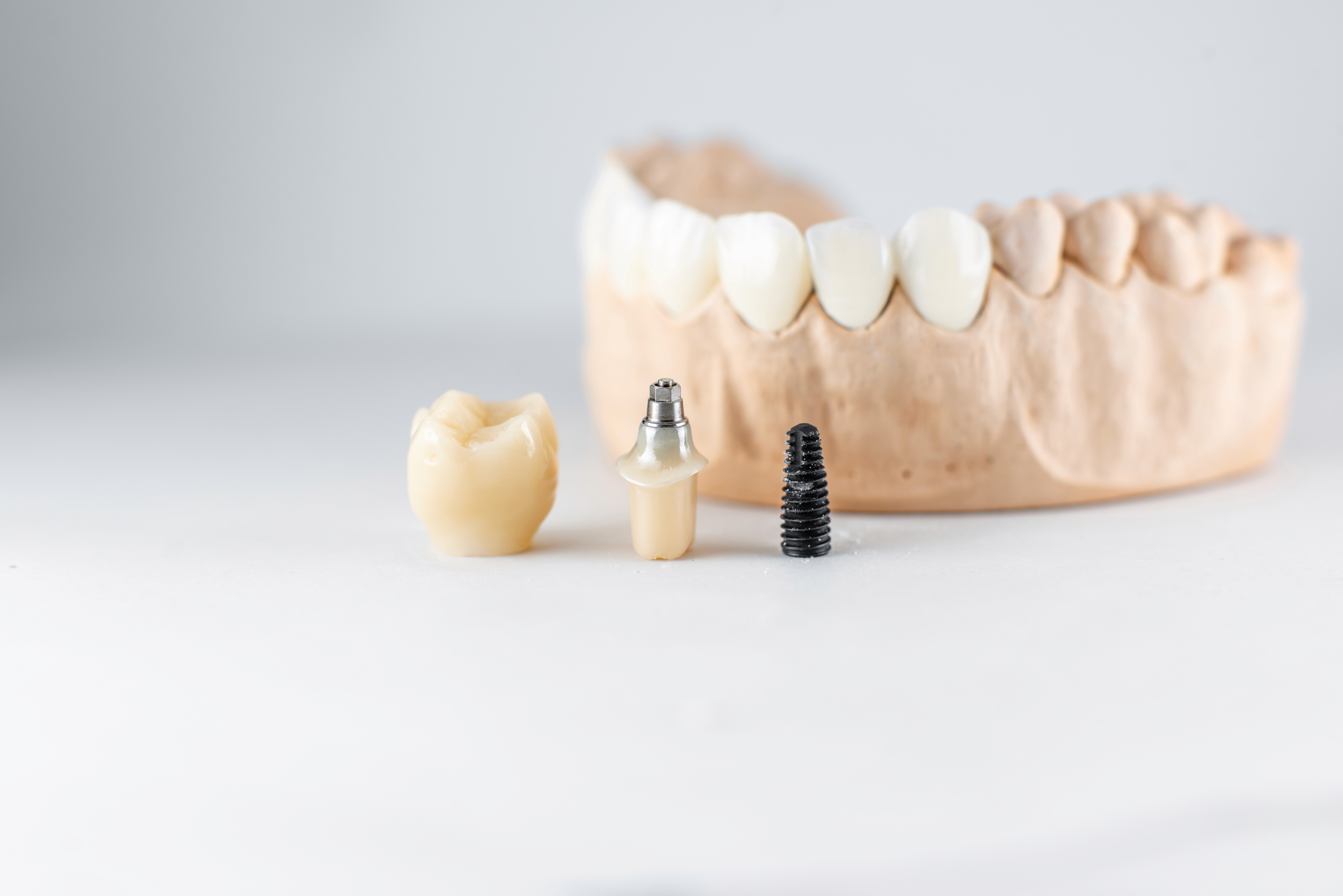
A dental implant is a small medical-grade post placed in the jawbone to act as a foundation for replacement teeth. In an All-on-X plan, several implants are positioned to distribute chewing forces across the arch. Some implants may be angled when that helps use available bone and avoid important anatomy. A custom full-arch prosthesis is attached to the implants, so the teeth are held in place rather than resting on the gums. The planning process considers bone volume, bite relationship, gum health, facial support, and the desired tooth shape. Implant number alone does not determine success; diagnosis, surgical precision, restoration design, hygiene, and follow-up care all matter.
All-on-X Compared With Traditional Dentures
Traditional dentures sit on the gums and are usually removable. They can be an appropriate solution for many people, but they may move during speech or chewing, require adhesives, and do not directly stimulate the jawbone. An All-on-X bridge is fixed to implants and is generally removed only by the dental team for professional maintenance. Patients often value the greater stability when talking and eating. That does not mean every patient should choose implants. Cost, health history, anatomy, preferences, and ability to maintain the restoration should all be discussed openly. A consultation should compare realistic options rather than treating one option as right for everyone.
Who May Benefit From Full-Arch Implants?
All-on-X may be considered when many teeth are missing, when remaining teeth are severely damaged, when advanced gum disease has made teeth difficult to save, or when an existing denture is unstable or uncomfortable. A person does not need to decide alone whether their teeth are salvageable. Dr. Rana’s evaluation can examine the condition of teeth, bone, gums, bite, and general health before recommending a path. Some patients need extractions before implants, while others may benefit from preserving natural teeth or using a different restoration. The best candidate is not simply someone who wants fixed teeth; it is someone whose clinical findings, goals, and commitment to care support a predictable plan.
What Happens at the Consultation?
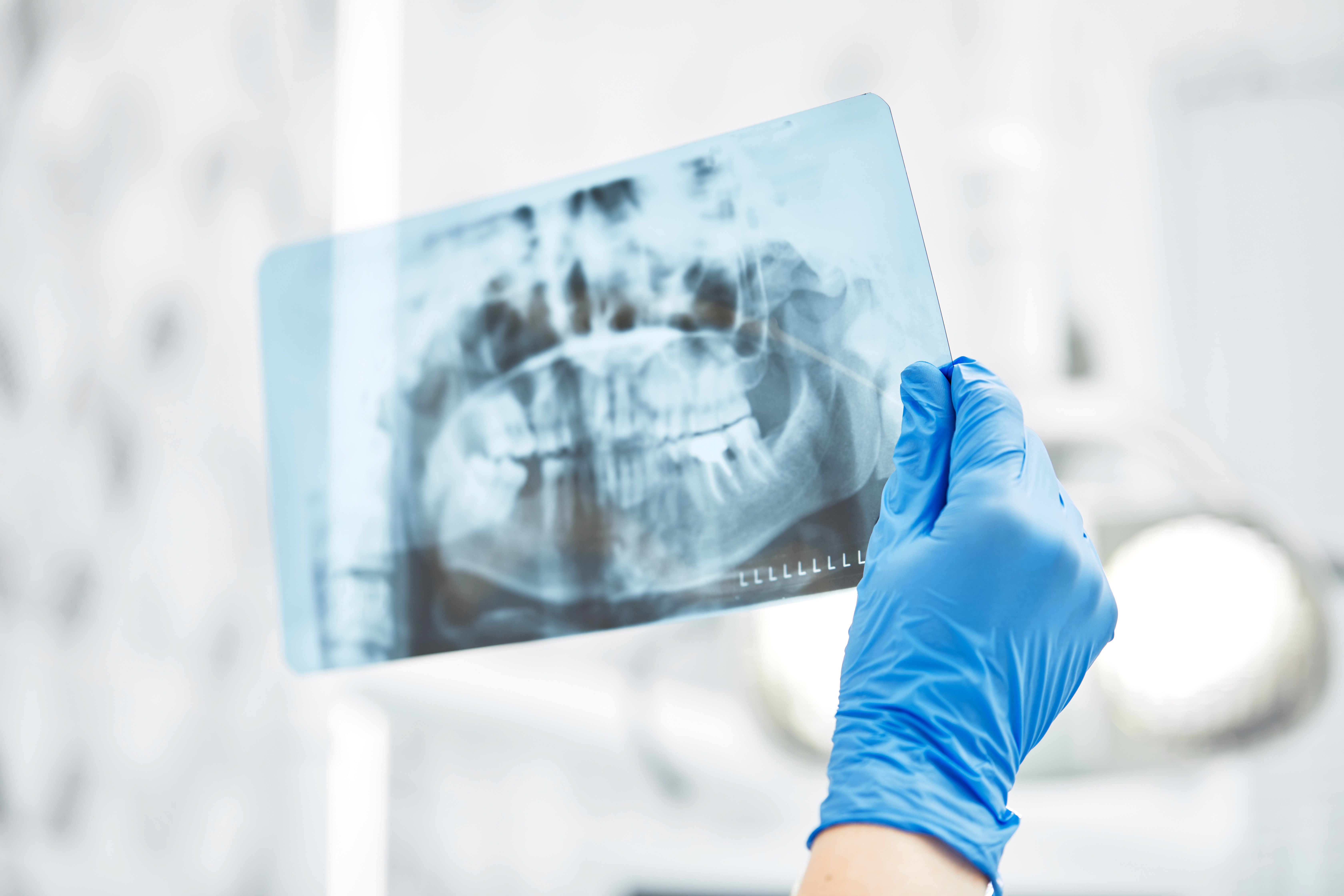
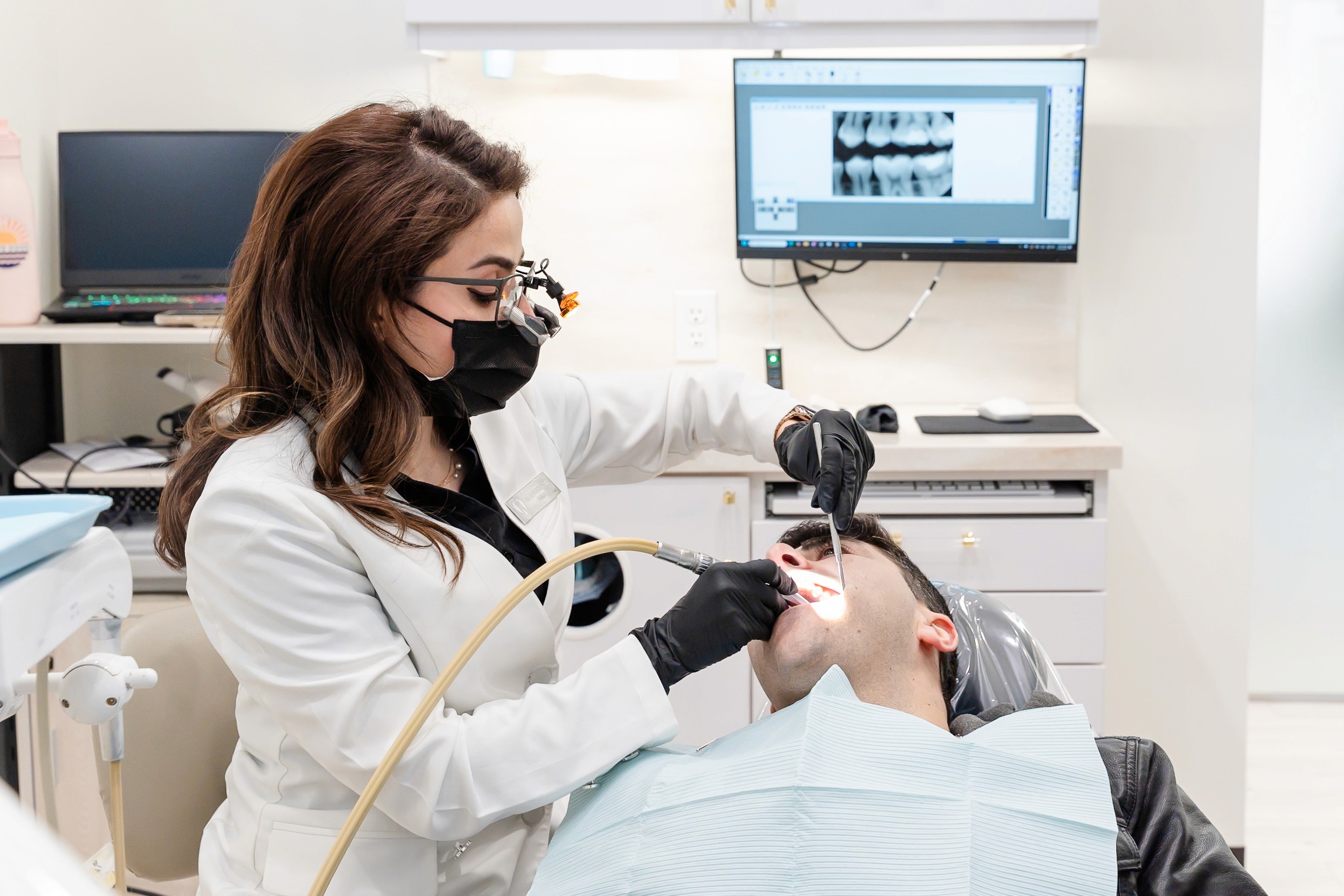
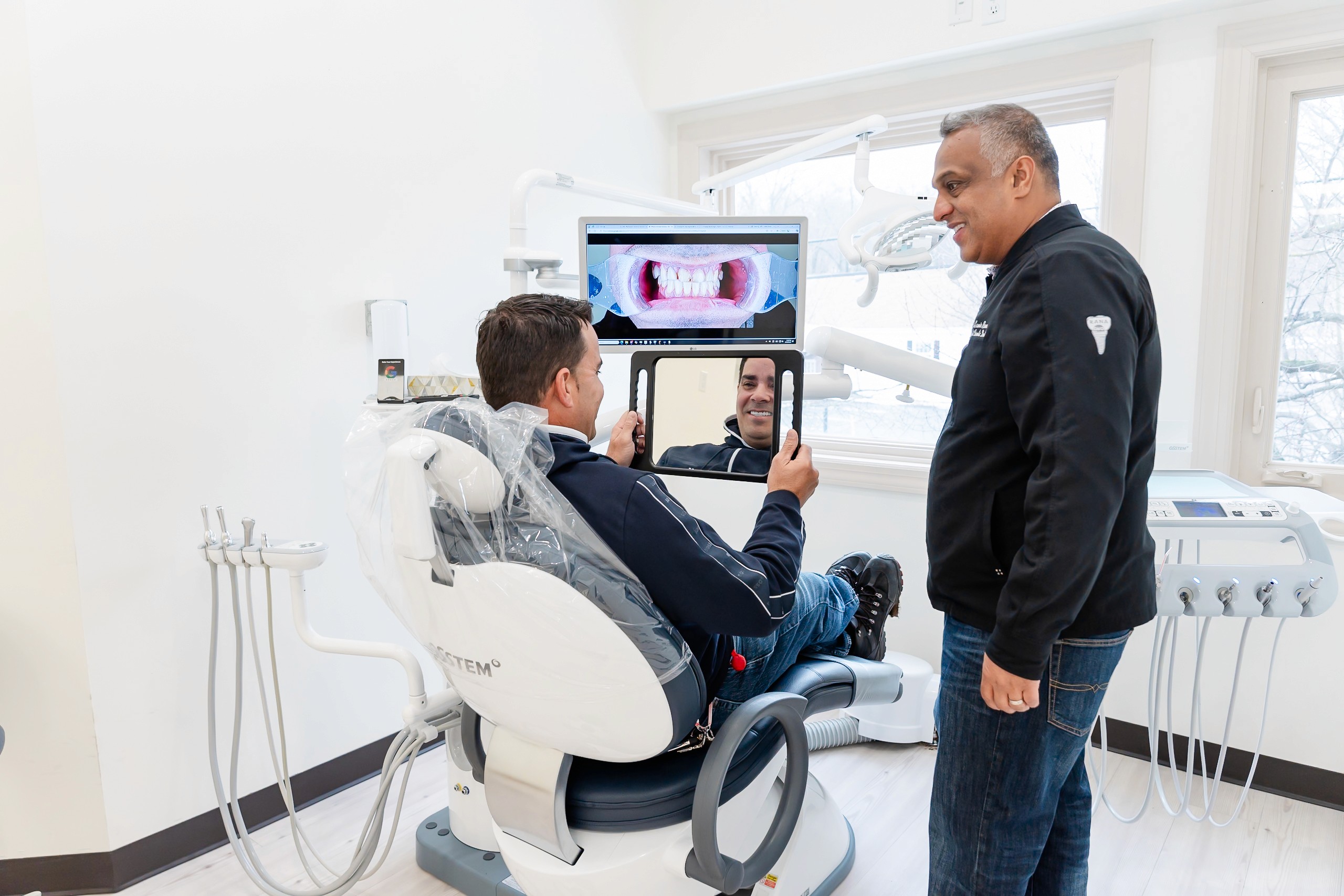
A full-arch implant consultation usually begins with a conversation about symptoms, goals, medical history, medications, dental experiences, and concerns. The clinical exam is supported by imaging and digital records that help assess bone and plan implant positions. The team can explain whether teeth need to be removed, whether temporary teeth may be appropriate, what the final bridge may involve, and which phases are expected. This is also the right time to discuss sedation, healing, timeline, fees, financing, and maintenance. Clear answers are more useful than promises. Dentistry involves biological healing, so a responsible plan includes contingencies as well as an intended outcome.
The Treatment Timeline in Brief
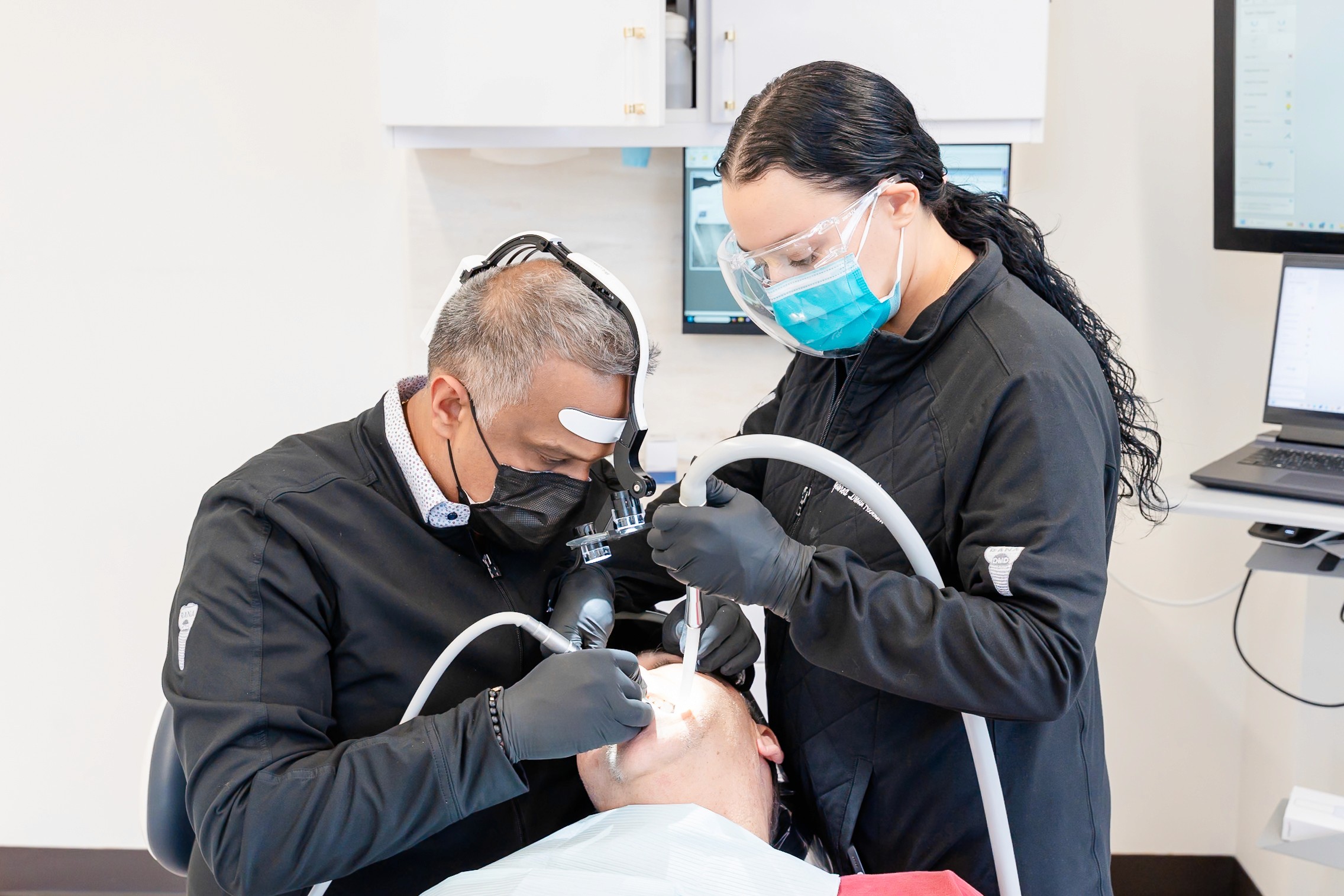
Although every case is unique, the All-on-X process commonly includes diagnosis and digital planning, preparation of the mouth, implant surgery, a healing or integration period, and the delivery of a final prosthesis. Some patients receive a fixed provisional restoration soon after surgery when stability and clinical conditions allow. Others need a more gradual sequence. During healing, the team monitors comfort, soft-tissue healing, bite, and the implant integration process. Final teeth are designed after the foundation has matured and the bite can be refined. The timeline should be based on biology and safety, not a marketing calendar.
Benefits and Limitations to Understand
Potential benefits include a fixed solution, improved retention, a more consistent chewing experience, and support for a more natural smile design. Many patients also appreciate not removing their teeth at night. However, implants are not maintenance-free and not risk-free. Healing can be affected by smoking, uncontrolled diabetes, gum disease, clenching, inconsistent hygiene, or missed follow-up appointments. Complications such as infection, mechanical wear, fracture, or implant failure can occur and may require treatment. A durable result requires good planning, daily cleaning, routine professional visits, and careful management of medical and dental risk factors.
Questions Patients Often Ask
Patients frequently ask whether All-on-X hurts, how long recovery takes, whether they can eat normally, and how long the teeth will last. Comfort is managed with an individualized plan, and many people return to light activity quickly, but recovery varies. A softer diet is commonly recommended during early healing. Long-term success depends on the patient and restoration, not a single guarantee. Another common question is whether implants can be cleaned. Yes, but the method is different from brushing natural teeth alone; home tools and professional maintenance are important. The dental team should show patients exactly how to care for the bridge rather than assuming the process is obvious.
Talk With an Official All-on-X Provider in Lincoln Park
If you are researching full-mouth dental implants in Lincoln Park, NJ, the most useful next step is a personal evaluation. Dr. Samir Rana, an official All-on-X provider, can review your oral health, diagnostic records, concerns, and goals to determine whether a full-arch implant plan is appropriate. This educational guide is not a diagnosis or a substitute for medical advice. A consultation allows the team to explain candidacy, alternatives, expected phases, risks, and maintenance requirements in the context of your own mouth and health history.