Blog
Dental Implants Process & Treatment Guide: Step-by-Step Implant Surgery and Recovery Explained


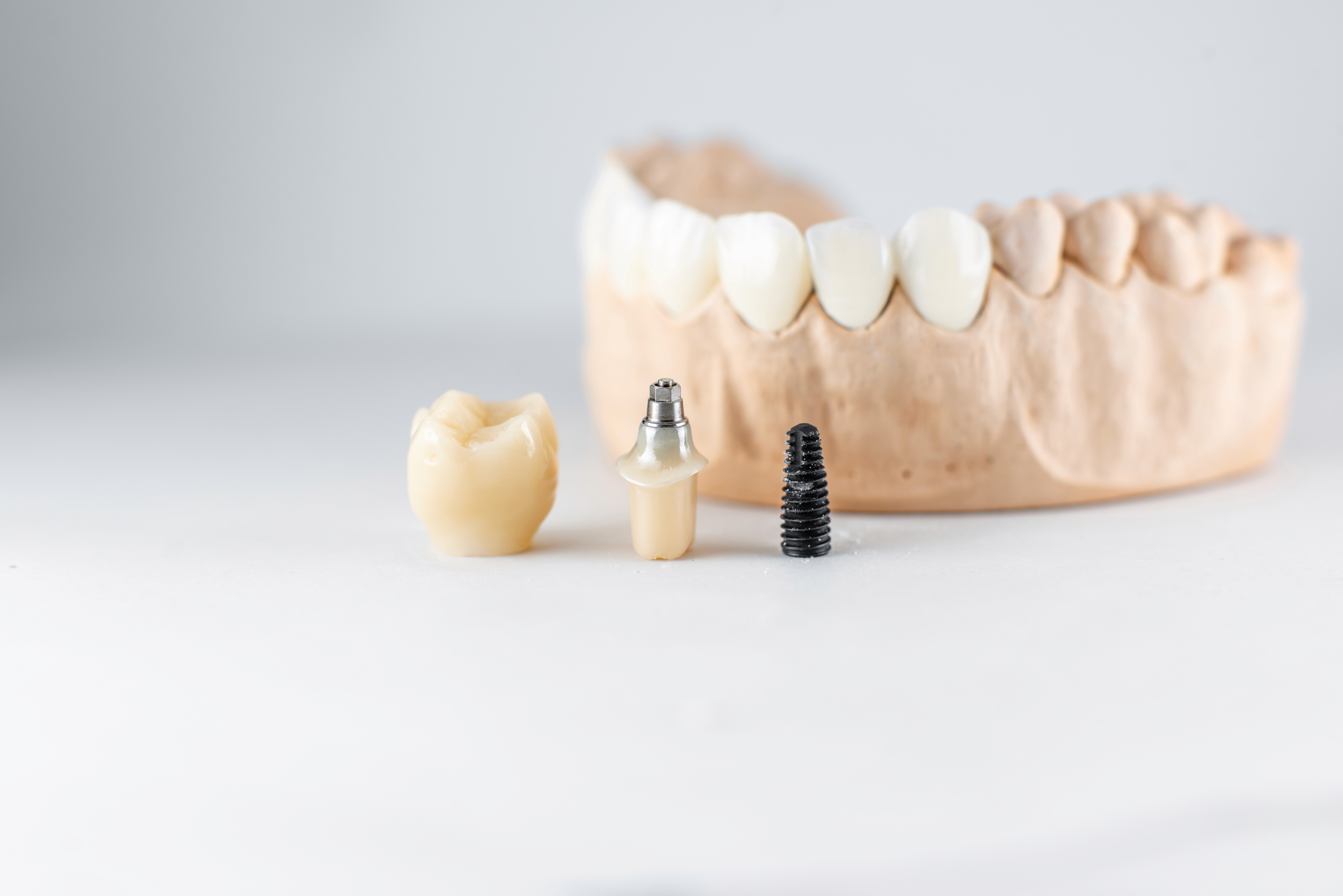
Dental implants are a revolutionary solution for individuals seeking to replace missing teeth, offering a permanent and natural-looking alternative. This comprehensive guide will walk you through the dental implant process, from initial consultation to recovery, ensuring you understand each step involved. Many people face challenges with tooth loss, which can affect their confidence and oral health. Dental implants provide a reliable solution that restores both function and aesthetics. In this article, we will cover the key steps in the dental implant surgery process, the types of implants available, what to expect during recovery, and the associated costs and financing options.
What Are the Key Steps in the Dental Implant Surgery Process?
The dental implant surgery process involves several critical steps that ensure the successful placement of the implant. Initially, a thorough consultation and planning phase is conducted to assess the patient's oral health and determine the best approach for their specific needs. This phase is crucial as it sets the foundation for the entire procedure, ensuring that all factors are considered for optimal results.
How Is the Initial Consultation and Implant Planning Conducted?
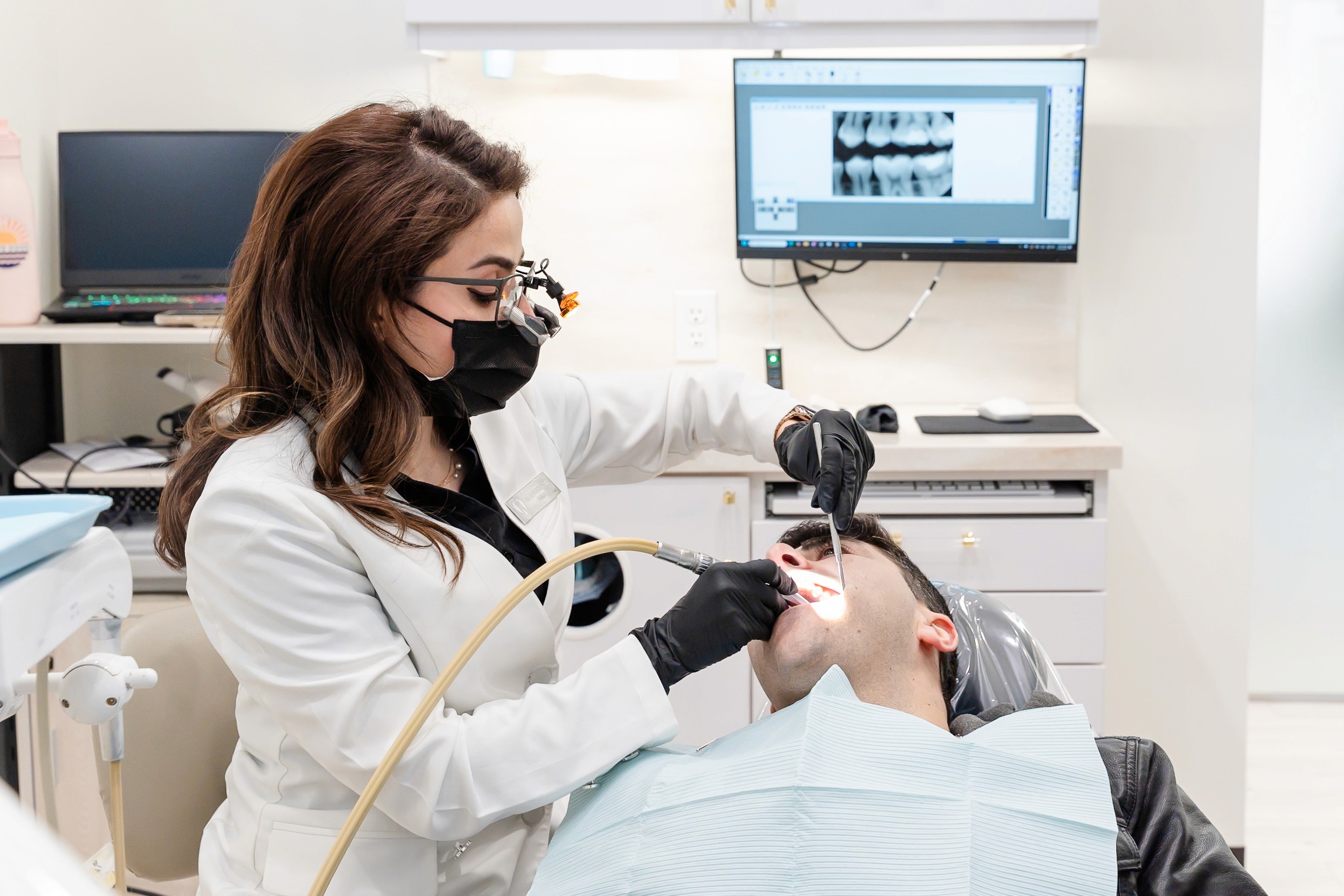
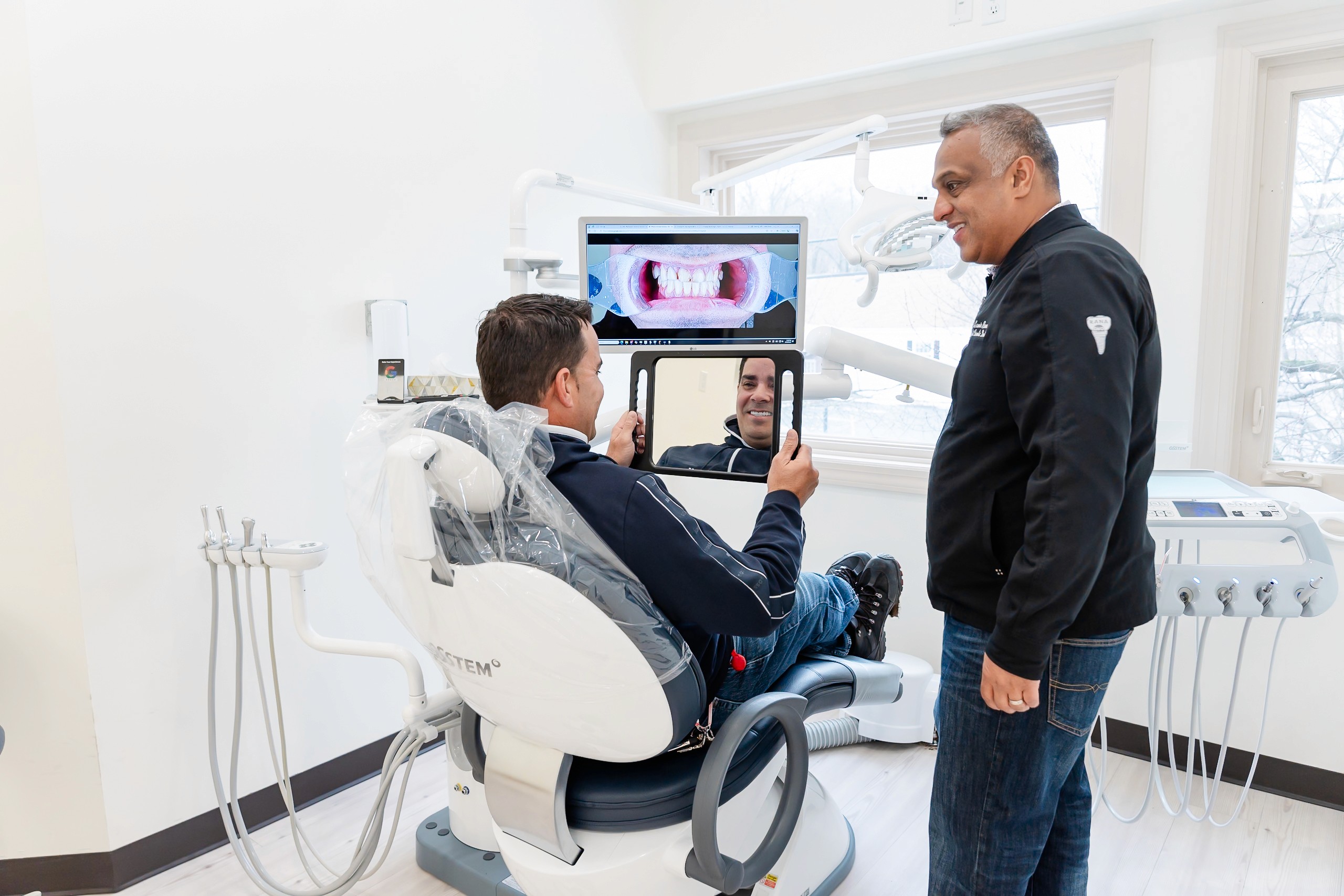
During the initial consultation, the dentist evaluates the patient's dental and medical history, performs a clinical examination, and may utilize diagnostic imaging such as X-rays or 3D scans. This comprehensive assessment helps in creating a tailored treatment plan that addresses the patient's unique requirements. The importance of this step cannot be overstated, as it ensures that the implant placement is executed with precision and care.
This meticulous planning is crucial, as experts emphasize the importance of careful consideration in the decision-making process for dental implant placement.
Evidence-Based Dental Implant Treatment Planning
¹ We conclude, therefore, that the decision to extract a tooth and place a dental implant requires careful consideration, and that this does not always occur when it should.
Evidence-based implant treatment planning and clinical protocols, SJ Sadowsky, 2017
What Happens During Implant Placement Surgery?
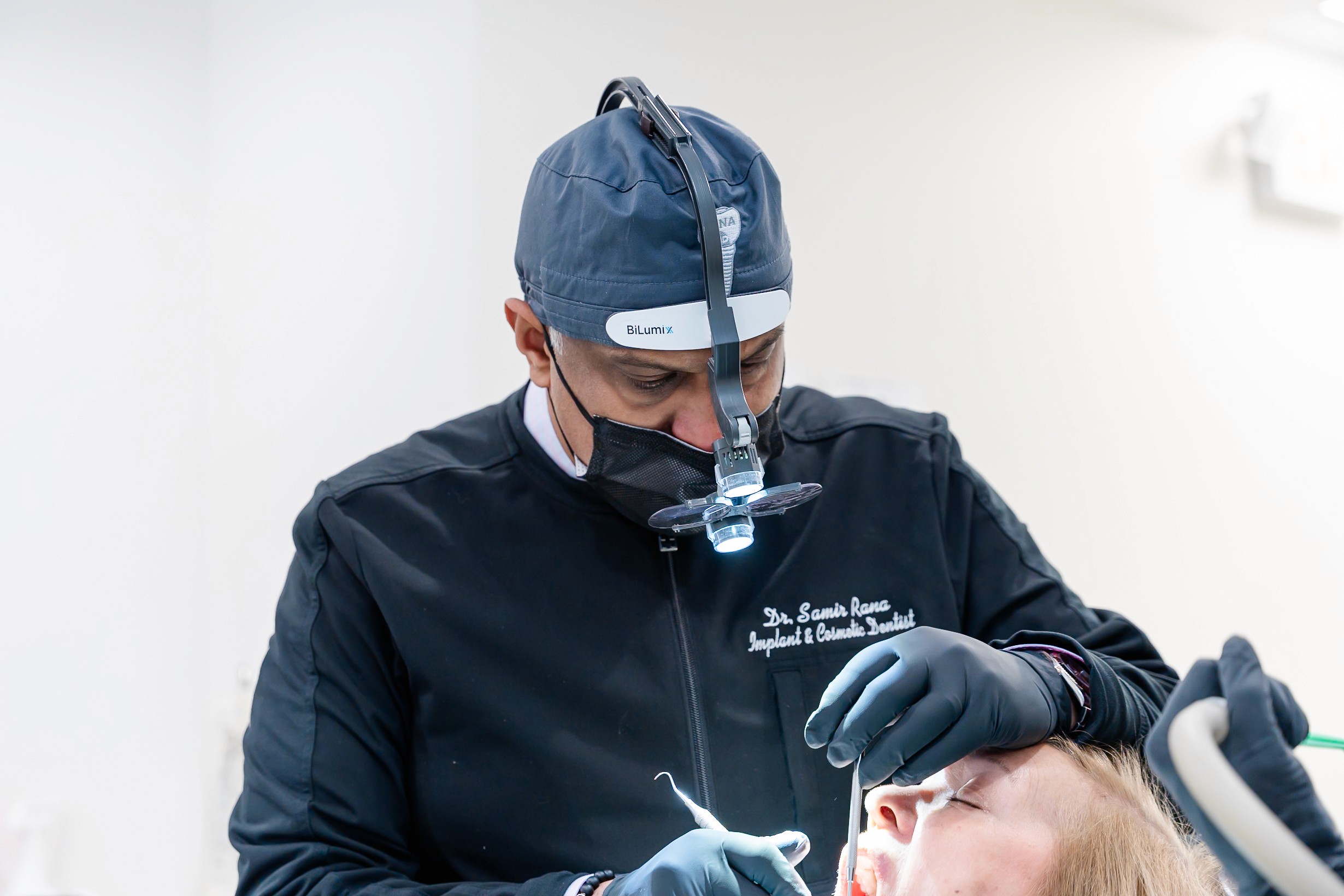
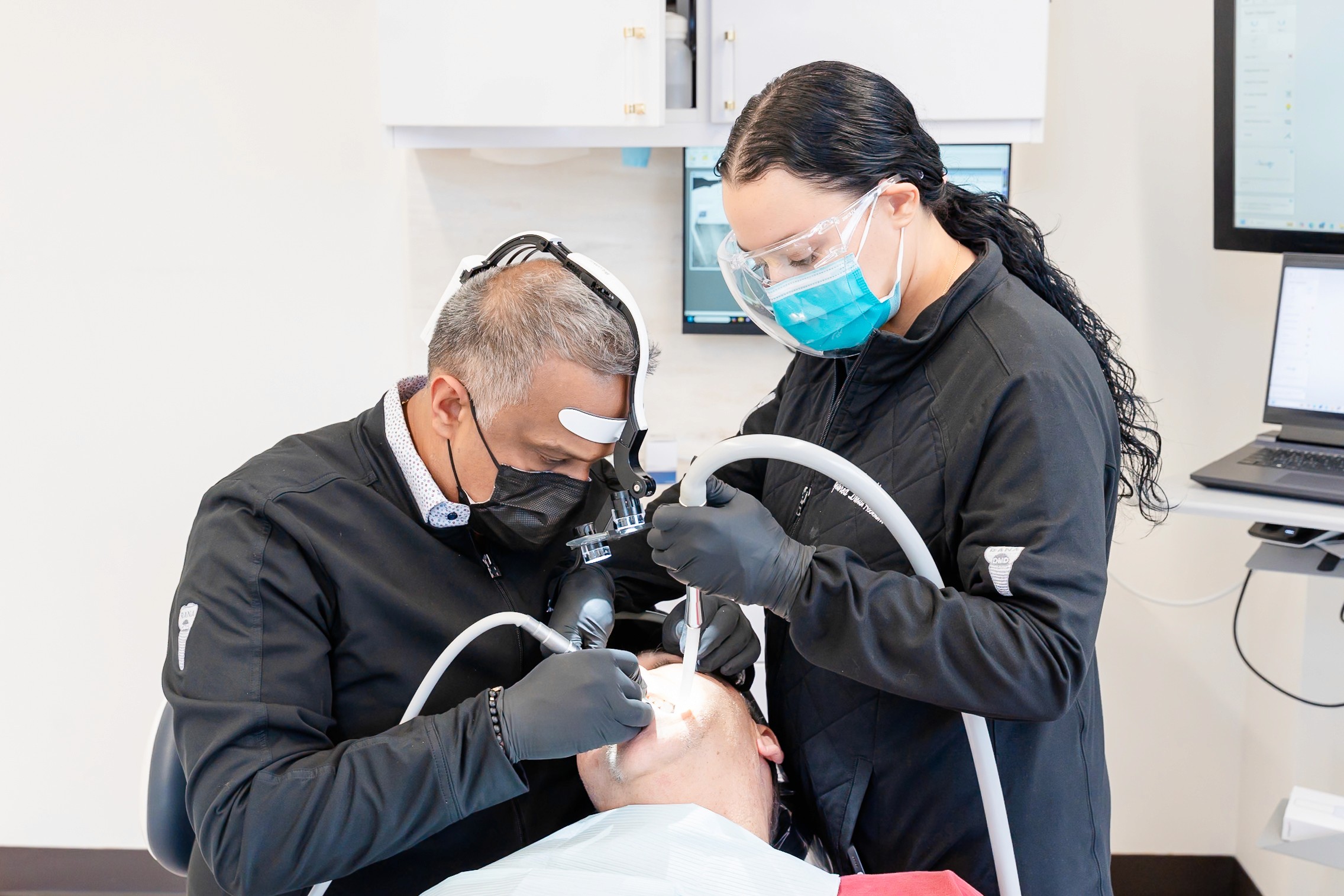
Implant placement surgery typically involves several key steps. First, local anesthesia is administered to ensure the patient is comfortable throughout the procedure. The dentist then makes an incision in the gum to expose the bone, where the implant will be placed. After the implant is inserted into the jawbone, the gum tissue is sutured back into place. Post-surgery care is essential, as it helps in the healing process and ensures the implant integrates properly with the bone.
Which Types of Dental Implants Are Available and How Do They Differ?
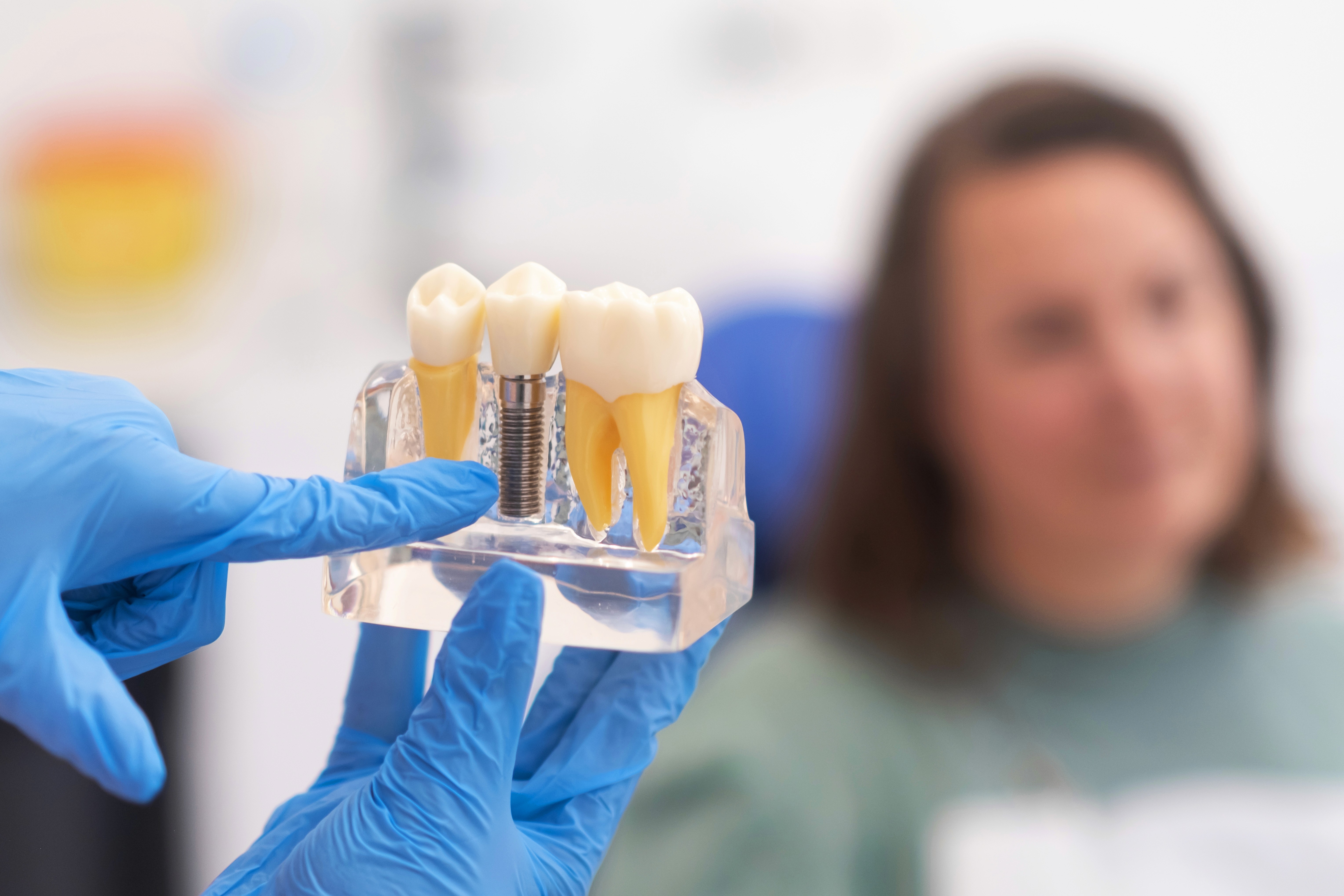
There are various types of dental implants available, each designed to meet different patient needs. Understanding these options can help patients make informed decisions about their treatment.
What Are All on 4 and All on X Implant Techniques?
All on 4 and All on X techniques are innovative approaches to dental implants that allow for the placement of a full arch of teeth using only four implants. This method is particularly beneficial for patients with significant bone loss, as it minimizes the need for bone grafting. The All on 4 technique provides immediate results, allowing patients to leave the office with a new set of teeth on the same day.
How Do Traditional Dental Implants Compare to Implant-Supported Dentures?
Traditional dental implants involve placing individual implants for each missing tooth, while implant-supported dentures utilize fewer implants to support a full set of dentures. The primary difference lies in stability and aesthetics; traditional implants offer a more permanent solution, while implant-supported dentures can be a more cost-effective option for those needing multiple replacements. Both methods have their advantages, and the choice depends on individual circumstances and preferences.
What Should Patients Expect During Dental Implant Recovery and Aftercare?
Recovery from dental implant surgery is a crucial phase that requires proper care and attention. Understanding what to expect can help patients navigate this period more effectively.
How Long Is the Typical Dental Implant Recovery Time?
The typical recovery time for dental implants can vary, but most patients can expect a healing period of 3-6 months. During this time, the implant integrates with the jawbone, a process known as osseointegration. Factors such as the patient's overall health, the complexity of the procedure, and adherence to aftercare instructions can influence recovery duration.
What Are the Recommended Care Tips for a Successful Recovery?
To ensure a successful recovery, patients should follow several care tips, including:
Maintain Oral Hygiene: Keeping the surgical site clean is essential to prevent infection.
Follow Dietary Recommendations: Soft foods are recommended initially to avoid putting pressure on the implant.
Attend Follow-Up Appointments: Regular check-ups allow the dentist to monitor healing and address any concerns.
These practices contribute significantly to the success of the implant and overall oral health.
How Much Do Dental Implants Cost Near Me and What Financing Options Exist?
The cost of dental implants can vary widely based on several factors, including the complexity of the procedure and the materials used. Understanding these factors can help patients plan for their investment in dental health.
What Factors Influence the Cost of Dental Implants in Lincoln Park, New Jersey?
In Lincoln Park, New Jersey, the cost of dental implants is influenced by local market rates, the complexity of the procedure, and the type of materials used. On average, patients can expect to pay between $3,000 and $6,000 per implant, which includes the surgical procedure and the crown placement. Additional costs may arise from preliminary procedures such as bone grafting or sinus lifts if needed.
Are There Insurance or Payment Plans Available for Implant Surgery?
Many dental insurance plans offer partial coverage for dental implants, but it is essential to check with your provider for specific details. Additionally, many dental practices, including Rana Dental, offer flexible payment plans to help patients manage the cost of their treatment. This can make dental implants a more accessible option for those in need of tooth replacement.
Cost Factor | Description | Average Cost |
|---|---|---|
Implant Placement | Surgical procedure to insert the implant | $1,500 - $3,000 |
Abutment and Crown | Final restoration placed on the implant | $1,000 - $2,500 |
Additional Procedures | Bone grafting or sinus lift if necessary | $300 - $3,000 |
This table illustrates the various cost components associated with dental implants, helping patients understand the financial aspects of their treatment.
In summary, dental implants offer a reliable solution for tooth replacement, with a well-defined process that includes consultation, surgery, and recovery. By understanding the types of implants available, the recovery process, and the associated costs, patients can make informed decisions about their dental health. For those considering dental implants, Rana Dental in Lincoln Park, provides comprehensive services to guide you through every step of the process.