Blog
Discover Dental Implant Options Near Me Today: Comprehensive Guide to Costs, Types, Procedures, and Recovery


Finding the right dental implant options can be a daunting task, especially with the myriad of choices available. This guide aims to simplify your search by providing detailed insights into the types of dental implants, their costs, procedures involved, and recovery expectations. Whether you're considering a single tooth implant or a full arch restoration, understanding your options is crucial for making informed decisions. Many individuals face challenges in navigating the complexities of dental care, particularly when it comes to implants. This article will address these concerns by outlining essential information and practical steps to take. We will explore local dental clinics, the various types of implants available, the associated costs, the procedures involved, and what to expect during recovery.
Research Local Dental Clinics
When searching for dental implant options, the first step is to research local dental clinics that specialize in implant services. This is crucial because not all dental practices offer the same level of expertise or technology. Look for clinics that have a strong reputation for dental implants and comprehensive care. Consider factors such as:
Specialization: Ensure the clinic specializes in dental implants and has experienced professionals.
Technology: Advanced technology can enhance the precision and success of implant procedures.
Patient Reviews: Check online reviews and testimonials to gauge patient satisfaction and outcomes.
By focusing on these aspects, you can find a clinic that meets your needs and provides quality care.
Types of Dental Implants
Dental implants come in various types, each designed to address specific needs. Understanding these options can help you choose the best solution for your situation. The main types include:
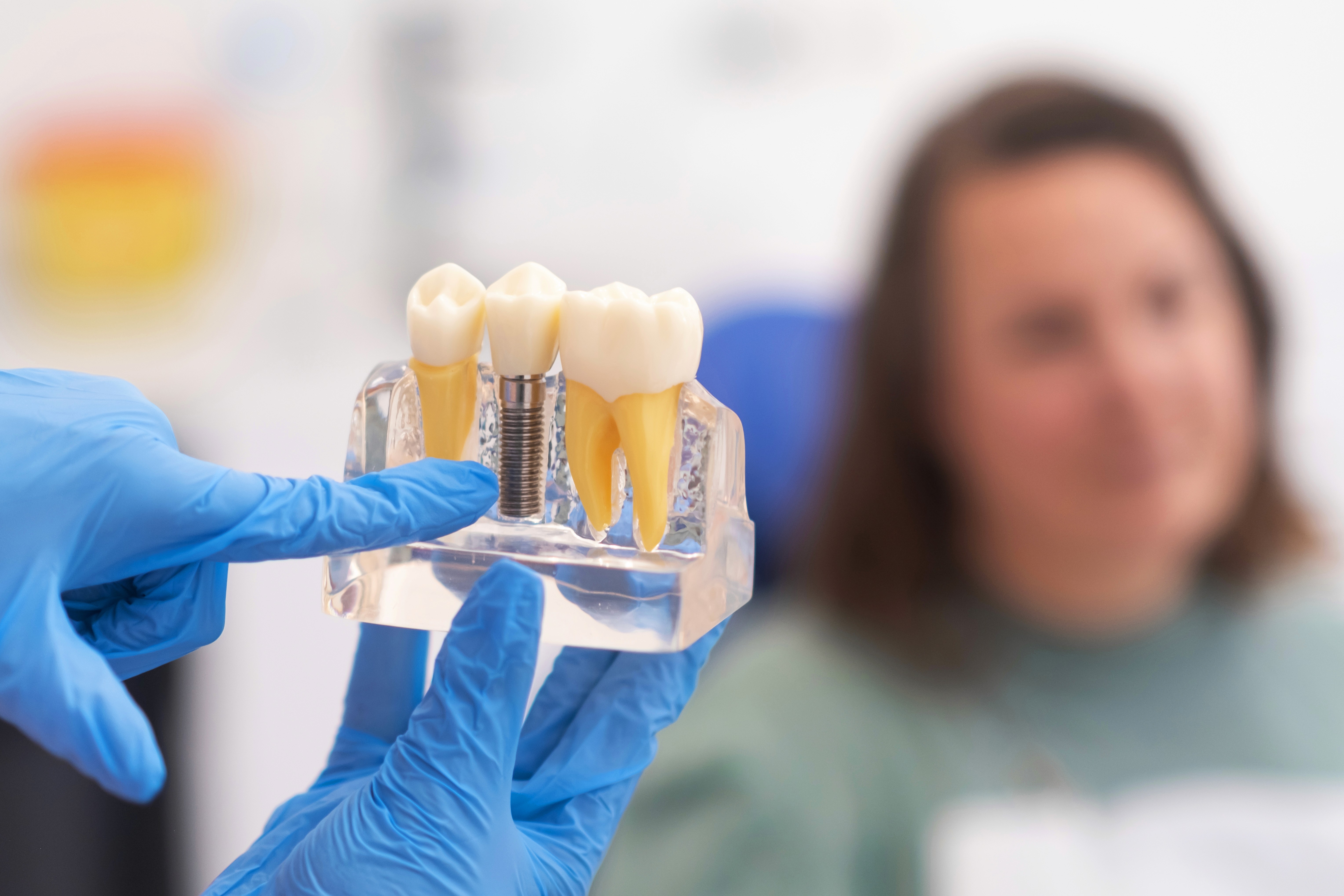
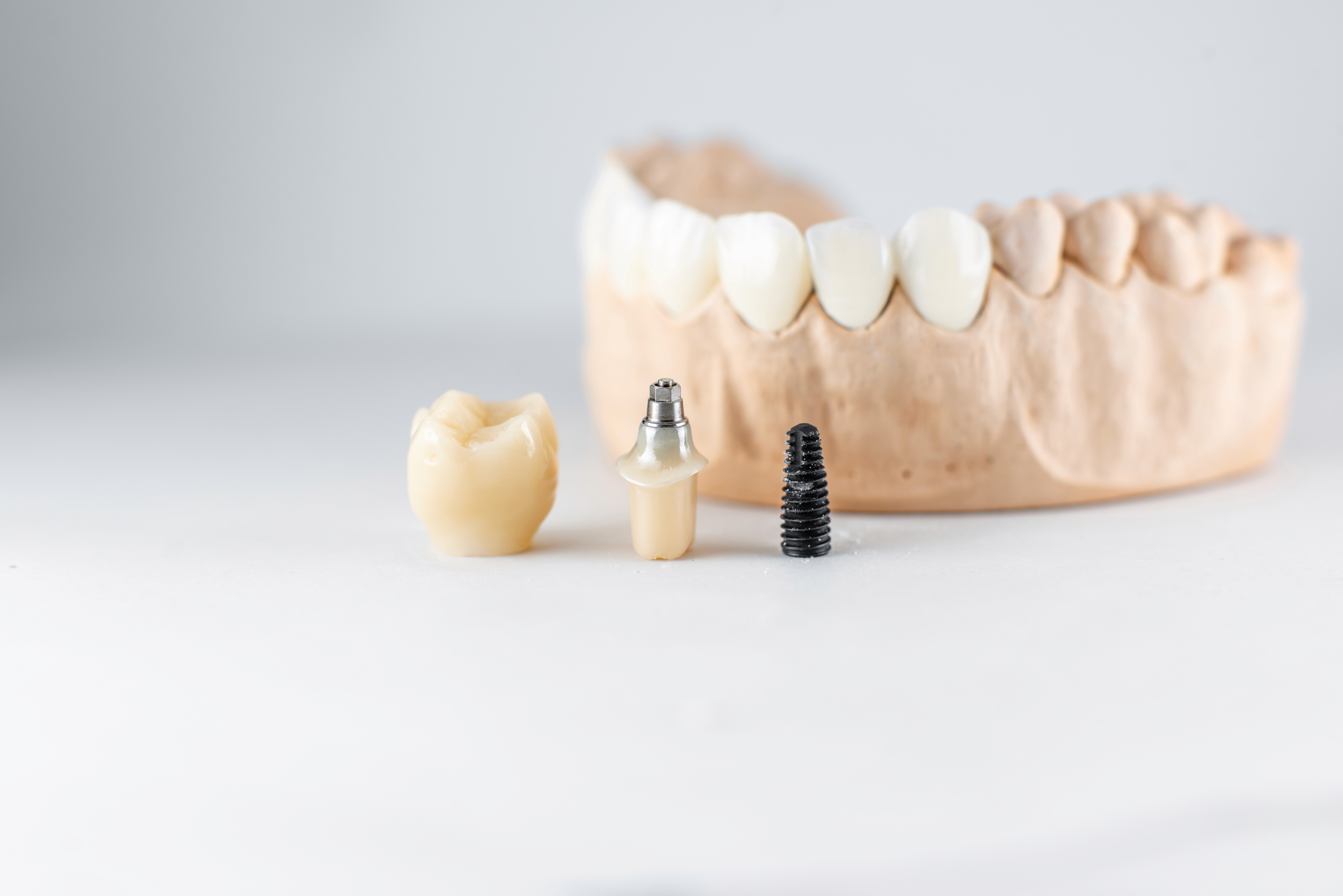
Single Tooth Implants: Ideal for replacing a single missing tooth, these implants consist of a titanium post, abutment, and crown.
Implant Bridges: Used when multiple teeth are missing, implant bridges anchor to adjacent implants to support a row of crowns.
All-on-4 Implants: This technique allows for a full arch restoration using just four implants, providing a stable foundation for a complete set of teeth.
Implant-Supported Dentures: These dentures are secured to implants, offering better stability and comfort compared to traditional dentures.
How Do Mini Implants and Implant-Supported Dentures Compare?
Mini implants are a smaller version of traditional implants and are often used in situations where bone density is limited. They offer several advantages:
Less Invasive: Mini implants require a smaller incision and less bone preparation.
Cost-Effective: They are generally less expensive than traditional implants.
Faster Recovery: Patients often experience quicker healing times.
Further research emphasizes the importance of assessing alveolar bone density when considering both traditional and mini dental implants.
Alveolar Bone Density for Dental Implant Placement
The alveolar bone density at dentate and edentulous density of other populations, which dictates the need for quantitative assessment of bone density before implants and mini-implants
Alveolar bone density and its clinical implication in the placement of dental implants and orthodontic mini-implants, NN Almasoud, 2016
On the other hand, implant-supported dentures provide a more stable solution for those who have lost multiple teeth. They can enhance chewing ability and improve overall comfort.
What Are the Benefits of All-on-4 and Traditional Implants?
All-on-4 implants offer unique benefits compared to traditional implants:
Faster Treatment: All-on-4 can often be completed in a single day, allowing for immediate function.
Bone Preservation: This method minimizes the need for bone grafting, preserving existing bone structure.
Cost-Effective: It can be more affordable than placing multiple individual implants.
Traditional implants, while effective, may require more time and multiple procedures, especially if bone grafting is necessary.
Procedures
The process of getting dental implants involves several key steps, starting with an initial consultation. During this visit, the dentist will evaluate your oral health and determine the best treatment plan.
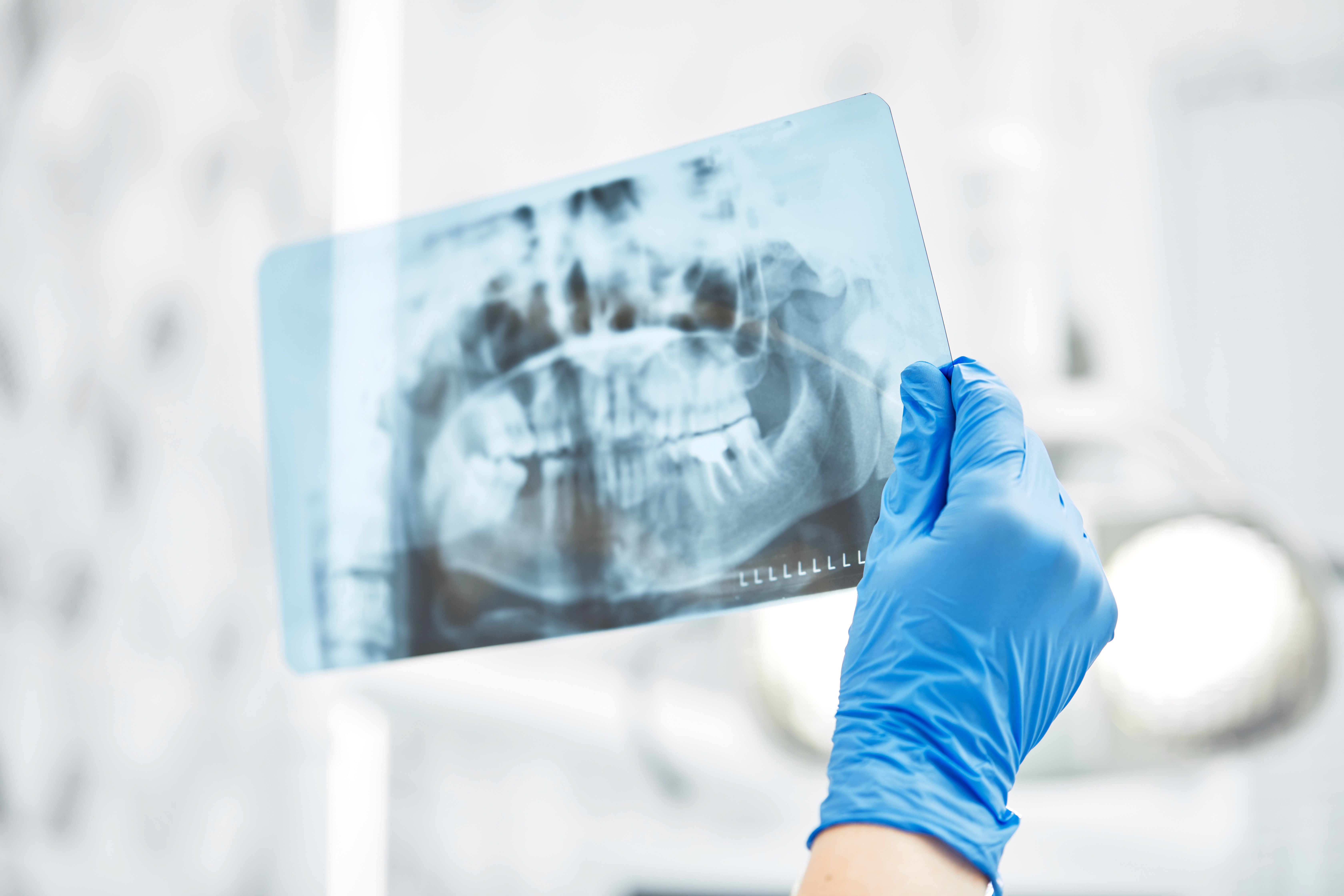
Initial Consultation: A thorough examination and imaging to assess bone density and structure.
Surgical Placement: The implant is surgically placed into the jawbone, requiring local anesthesia.
Healing Period: Osseointegration occurs as the bone fuses with the implant, typically taking several months.
Abutment Placement: Once healed, an abutment is attached to the implant to support the crown.
Crown Placement: Finally, a custom crown is placed on the abutment, completing the restoration.
What Happens During the Surgical Placement of Implants?
During the surgical placement of implants, the dentist will:
Administer local anesthesia to ensure comfort.
Make a small incision in the gum to expose the bone.
Drill a hole into the bone to place the titanium post securely.
Close the gum tissue over the implant, allowing for healing.
This procedure is typically performed in a dental office and can take one to two hours, depending on the number of implants being placed.
How Does Rana Dental’s In-House Lab Enhance Implant Restoration?
Comprehensive Dental's in-house lab plays a crucial role in enhancing the implant restoration process. The benefits include:
Expedited Treatment: Having a lab on-site allows for quicker turnaround times for crowns and dentures.
Customization and Quality Control: Custom restorations can be tailored to each patient's specific needs, ensuring a better fit and aesthetic.
Patient Convenience: Patients benefit from streamlined processes, reducing the number of visits required.
Recovery
Recovery after dental implant surgery is a critical phase that requires attention to post-operative care. Patients can expect some swelling and discomfort, which can be managed with prescribed medications.
Osseointegration Process: This is the period where the bone fuses with the implant, typically lasting 3-6 months.
Post-Operative Care: Following the dentist's instructions for care is essential for successful healing.
What Are Common Recovery Expectations and Pain Management Tips?
During recovery, patients may experience:
Swelling and Bruising: Common in the first few days post-surgery.
Discomfort: Pain can be managed with over-the-counter pain relievers or prescribed medications.
Dietary Adjustments: Soft foods are recommended initially to avoid irritation.
To ensure a smooth recovery, patients should:
Follow all aftercare instructions provided by their dentist.
Maintain good oral hygiene to prevent infection.
Attend all follow-up appointments for monitoring.
How Can Patients Ensure Successful Healing and Maintenance?
To promote successful healing and long-term maintenance of dental implants, patients should:
Follow-Up Care: Regular check-ups with the dentist to monitor implant health.
Oral Hygiene: Maintain a rigorous oral hygiene routine, including brushing and flossing.
Lifestyle Choices: Avoid smoking and excessive alcohol consumption, which can hinder healing.
Insurance and Financing
Understanding insurance and financing options is vital for managing the costs of dental implants. Many clinics, including Rana Dental, work with various insurance plans and offer financing options like CareCredit to make treatments more affordable.
Insurance Plans Accepted: Check with your provider to see if dental implants are covered.
Financing Options Available: Many clinics provide flexible payment plans to help manage costs.
Consultation
Scheduling a consultation is an important step in the dental implant process. During this visit, you can discuss your specific needs, ask questions, and learn about the treatment options available to you.
Importance of Consultation: This is your opportunity to understand the procedure, costs, and what to expect.
What to Expect During Consultation: Expect a thorough examination and a discussion of your medical history and treatment goals.
For those interested in exploring dental implant options, contacting Comprehensive Dental for a consultation can be a valuable first step.
What Are the Different Types of Dental Implants Available?
As previously discussed, there are several types of dental implants available, each designed to meet different patient needs. Understanding these options can help you make an informed decision about your dental health.
What Do Patients Say About Their Dental Implant Experiences?
Patient experiences can provide valuable insights into the effectiveness and satisfaction associated with dental implants. Many patients report significant improvements in their quality of life after receiving implants.
Indeed, studies confirm that patient satisfaction, encompassing both functional and aesthetic outcomes, is a critical measure of successful implant therapy.
Long-Term Patient Satisfaction with Dental Implants
Implant survival and implant success (freedom of biologic complications) are important factors in assessing the success of implant therapy. However, these factors are not the only determinants. Patients’ satisfaction also plays a very important role in daily practice. Therefore, the aim of this study was to assess patients’ satisfaction regarding function (phonetics, chewing comfort, stability, cleanability) and aesthetics in patients treated with XiVE and Frialite implants in a private periodontal practice ten years after implant placement. Furthermore, oral health-related quality of life (OHRQoL) was evaluated.
Patient satisfaction and oral health-related quality of life 10 years after implant placement, D Bäumer, 2021
Where Can I Find Verified Patient Reviews and Smile Gallery Examples?
To find verified patient reviews and examples of successful outcomes, consider:
Clinic Websites: Many clinics showcase patient testimonials and before-and-after photos.
Online Review Platforms: Websites like Yelp and Google Reviews can provide insights into patient experiences.
Explore the smile gallery and patient reviews to see real examples and feedback from satisfied patients.
How Do Success Rates and Patient Satisfaction Support Choosing Rana Dental?
Rana Dental boasts high success rates for dental implant procedures, supported by numerous positive patient testimonials. Patients often highlight the quality of care, professionalism, and successful outcomes as key reasons for their satisfaction.
This comprehensive guide aims to equip you with the knowledge needed to make informed decisions about dental implants. By understanding the types, costs, procedures, and recovery processes, you can confidently navigate your dental health journey.
Frequently Asked Questions
What factors influence the success rate of dental implants?
The success rate of dental implants is influenced by several factors, including the patient's overall health, bone density, and oral hygiene practices. Additionally, the skill and experience of the dental professional performing the procedure play a crucial role. Patients with chronic conditions such as diabetes or those who smoke may face higher risks of complications. Proper planning, including imaging and assessment of bone quality, is essential to ensure a successful outcome.
How long do dental implants typically last?
Dental implants are designed to be a long-term solution for tooth loss, often lasting 10 to 15 years or more with proper care. Factors such as oral hygiene, regular dental check-ups, and lifestyle choices significantly impact their longevity. While the implant itself can last a lifetime, the crown may need replacement every 5 to 15 years due to wear and tear. Maintaining good oral health is crucial for maximizing the lifespan of dental implants.
Are there any alternatives to dental implants?
Yes, there are several alternatives to dental implants for tooth replacement. These include traditional dental bridges and dentures. Bridges are used to fill the gap created by one or more missing teeth by anchoring to adjacent teeth. Dentures can be complete or partial, depending on the number of missing teeth. While these options can restore function and aesthetics, they may not provide the same stability and longevity as dental implants.
What are the risks associated with dental implant surgery?
Like any surgical procedure, dental implant surgery carries certain risks. Common complications include infection at the implant site, nerve damage, and sinus issues, particularly with upper jaw implants. Additionally, there may be a risk of implant failure if the bone does not properly integrate with the implant. However, these risks can be minimized through careful planning, proper surgical technique, and adherence to post-operative care instructions.
How can I prepare for my dental implant consultation?
Preparing for your dental implant consultation involves gathering relevant medical history, including any medications you are taking and existing health conditions. It's also helpful to prepare a list of questions regarding the procedure, costs, and recovery expectations. Additionally, consider bringing any dental records or imaging that may assist the dentist in evaluating your situation. This preparation will help ensure a productive discussion about your dental implant options.
What should I expect during the healing process after implant surgery?
After dental implant surgery, patients can expect a healing period that typically lasts 3 to 6 months. During this time, osseointegration occurs, where the bone fuses with the implant. Patients may experience swelling, bruising, and discomfort, which can be managed with prescribed medications. It's essential to follow post-operative care instructions, maintain good oral hygiene, and attend follow-up appointments to monitor healing progress and address any concerns.
Can dental implants be placed in patients with bone loss?
Yes, dental implants can be placed in patients with bone loss, but additional procedures may be necessary. Bone grafting is often performed to augment the jawbone, providing a stable foundation for the implant. In some cases, mini implants may be an option, as they require less bone density. A thorough evaluation by a dental professional will determine the best approach based on the extent of bone loss and the patient's overall health.