Blog
Root Canal Vs Extraction: Understanding Treatment Options and Patient Care


When faced with dental issues, patients often find themselves weighing the options between root canal therapy and tooth extraction. Understanding these two procedures is crucial for making informed decisions about dental health. This article will explore the differences, benefits, and considerations of each treatment, providing clarity on when one option may be preferable over the other. Root canal therapy aims to save a tooth that is infected or damaged, while extraction involves removing the tooth entirely. Both procedures have their own set of advantages and potential risks, which will be discussed in detail. Additionally, we will touch on the importance of consulting with dental professionals, such as those at Comprehensive Dental, to determine the best course of action for individual cases.
Root Canal vs. Extraction: Overview of Treatment Options
Root canal therapy and tooth extraction are two common dental procedures used to address issues related to tooth decay, infection, or damage. Root canal therapy involves the removal of the infected or damaged pulp from inside the tooth, followed by sealing the tooth to prevent further infection. This procedure is often preferred when the tooth can be saved, as it allows patients to retain their natural teeth, which is beneficial for overall oral health.
In contrast, tooth extraction is the complete removal of a tooth from its socket in the jawbone. This procedure may be necessary in cases of severe decay, advanced gum disease, or when a tooth is impacted. While extraction can provide immediate relief from pain and infection, it also leads to the loss of the natural tooth, which can have long-term implications for oral health and aesthetics.
Rana Dental, located in Lincoln Park, New Jersey, offers comprehensive dental care, including both root canal therapy and tooth extraction. Their team of professionals can help patients navigate these options and determine the best treatment plan based on individual needs.
Root Canal Therapy:
Root canal therapy is a procedure designed to save a tooth that has become infected or severely decayed. The process begins with the dentist administering anesthesia to ensure the patient is comfortable. Once numb, the dentist creates an opening in the crown of the tooth to access the pulp chamber. The infected pulp is then carefully removed, and the interior of the tooth is cleaned and shaped to prepare it for filling.
After cleaning, the tooth is filled with a biocompatible material called gutta-percha, which seals the space and prevents future infection. Finally, the tooth is often restored with a crown to provide strength and protection. The primary benefit of root canal therapy is that it allows patients to keep their natural teeth, which is essential for maintaining proper alignment and function in the mouth. However, risks include potential complications such as reinfection or the need for further treatment.
Tooth Extraction:
Tooth extraction is a procedure that involves the complete removal of a tooth from its socket. This may be necessary for several reasons, including severe decay, advanced gum disease, or overcrowding. The extraction process typically begins with the administration of local anesthesia to numb the area around the tooth. In some cases, sedation may be used to help the patient relax.
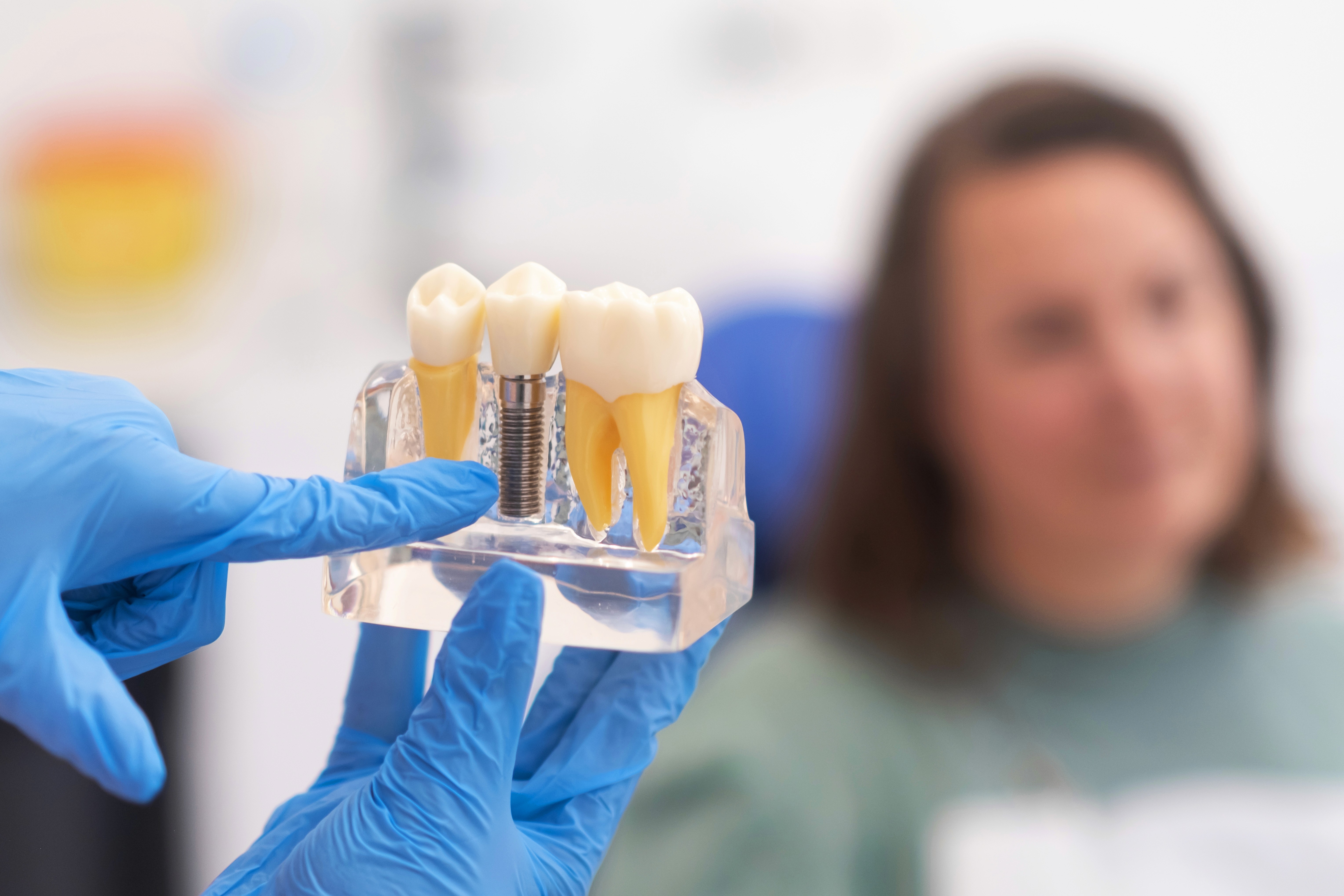
Once numb, the dentist uses specialized instruments to loosen the tooth and remove it from the socket. After extraction, the dentist may provide instructions for care and recovery, which can include pain management and dietary recommendations. While extraction can provide immediate relief from pain and infection, it also has drawbacks, such as the need for restorative options like dental implants to replace the missing tooth.
What Are the Key Differences Between Root Canal Therapy and Tooth Extraction?
The key differences between root canal therapy and tooth extraction lie in their objectives and outcomes. Root canal therapy aims to save a tooth by removing the infected pulp and sealing the tooth, allowing it to remain functional. In contrast, tooth extraction involves the complete removal of the tooth, which can lead to gaps in the smile and potential alignment issues.
Objective: Root canal therapy seeks to preserve the natural tooth, while extraction removes it.
Outcome: Patients retain their tooth with root canal therapy, whereas extraction necessitates restorative options.
Long-term Effects: Retaining a natural tooth can help maintain jawbone density and prevent shifting of adjacent teeth.
Understanding these differences is crucial for patients when discussing treatment options with their dental care provider.
When Should You Choose Root Canal Treatment Over Extraction?
Choosing between root canal treatment and extraction depends on several factors, including the condition of the tooth, the extent of decay or infection, and the patient's overall dental health. Root canal treatment is typically recommended when:
The tooth is still structurally sound and can be restored.
The infection is confined to the pulp and has not spread to the surrounding bone.
The patient desires to retain their natural tooth for functional and aesthetic reasons.
Conversely, extraction may be the better option when:
The tooth is severely damaged or decayed beyond repair.
There is significant bone loss or advanced gum disease.
The tooth is impacted and causing pain or other dental issues.
Consulting with a dental professional, such as those at Rana Dental, can help patients make informed decisions based on their specific circumstances.
What Are the Indications and Benefits of Endodontic Treatment?
Endodontic treatment, commonly known as root canal therapy, is indicated in several situations, including:
Severe Tooth Decay: When decay has reached the pulp, causing infection.
Pulpitis: Inflammation of the pulp due to trauma or deep decay.
Abscess Formation: Infection leading to the formation of pus around the tooth root.
The benefits of endodontic treatment include:
Pain Relief: Alleviates the pain associated with infected pulp.
Tooth Preservation: Allows patients to keep their natural teeth, which is vital for oral health.
Cost-Effectiveness: Often more affordable than extraction and subsequent restorative procedures.
By preserving the natural tooth, patients can maintain their bite and prevent further dental complications.
Which Conditions Make Tooth Extraction Necessary?
Tooth extraction may be necessary in several conditions, including:
Severe Decay: When a tooth is too damaged to be restored.
Advanced Gum Disease: When the supporting structures of the tooth are compromised.
Impacted Teeth: Such as wisdom teeth that do not have enough space to emerge properly.
In these cases, extraction can provide immediate relief from pain and prevent further complications.
What Are the Recovery Expectations and Risks for Each Procedure?
Recovery expectations vary between root canal therapy and tooth extraction.
How Long Is the Recovery Time After a Root Canal?
After a root canal, most patients can expect to return to normal activities within a few days. Initial discomfort may occur, but it is typically manageable with over-the-counter pain relievers. Full recovery, including any necessary restoration, may take a few weeks.
What Is the Typical Recovery Time Following Tooth Extraction?
Recovery from tooth extraction generally takes about 1-2 weeks, depending on the complexity of the extraction. Patients may experience swelling and discomfort, which can be managed with prescribed medications. Following the dentist's aftercare instructions is crucial for a smooth recovery.
How Do Post-Extraction Dental Implants Compare as a Restorative Option?
After a tooth extraction, dental implants are often considered the gold standard for tooth replacement. They offer several advantages over traditional dentures or bridges, including:
Natural Appearance: Implants look and function like natural teeth.
Bone Preservation: They help maintain jawbone density by stimulating the bone.
Longevity: With proper care, dental implants can last a lifetime.
What Are the Benefits of Dental Implants After Extraction?
Dental implants provide numerous benefits, including:
Aesthetic Appeal: They closely mimic the look of natural teeth.
Functional Restoration: Implants restore chewing ability and speech.
Durability: Implants are designed to withstand the forces of biting and chewing.
How Does an In-House Dental Lab Enhance Implant Restoration?
An in-house dental lab can significantly enhance the implant restoration process by:
Faster Turnaround Times: Reducing the waiting period for patients.
Enhanced Quality Control: Ensuring that restorations meet high standards.
Streamlined Communication: Facilitating better collaboration between the dental team and lab technicians.
This integration leads to improved patient outcomes and satisfaction, as detailed in the in-house dental lab resources.