Blog

Signs You Need a Root Canal Now: Key Symptoms and Expert Guidance for Immediate Care

Understanding when you need a root canal may seem daunting, yet being informed can significantly impact your oral health. A root canal is a dental procedure designed to treat infection at the center of a tooth. Knowing the signs that indicate the need for this treatment is crucial for preventing severe complications and preserving your smile. This article aims to guide you through the key symptoms of a root canal infection, the urgency of seeking professional evaluation, and what you can expect during the procedure. We’ll also explore alternatives to root canal treatment, pain management techniques, and the supportive care provided by Rana Dental, a dental implant center in Lincoln Park, New Jersey, focusing on comprehensive dental care.

What Are the Early Root Canal Symptoms to Watch For?

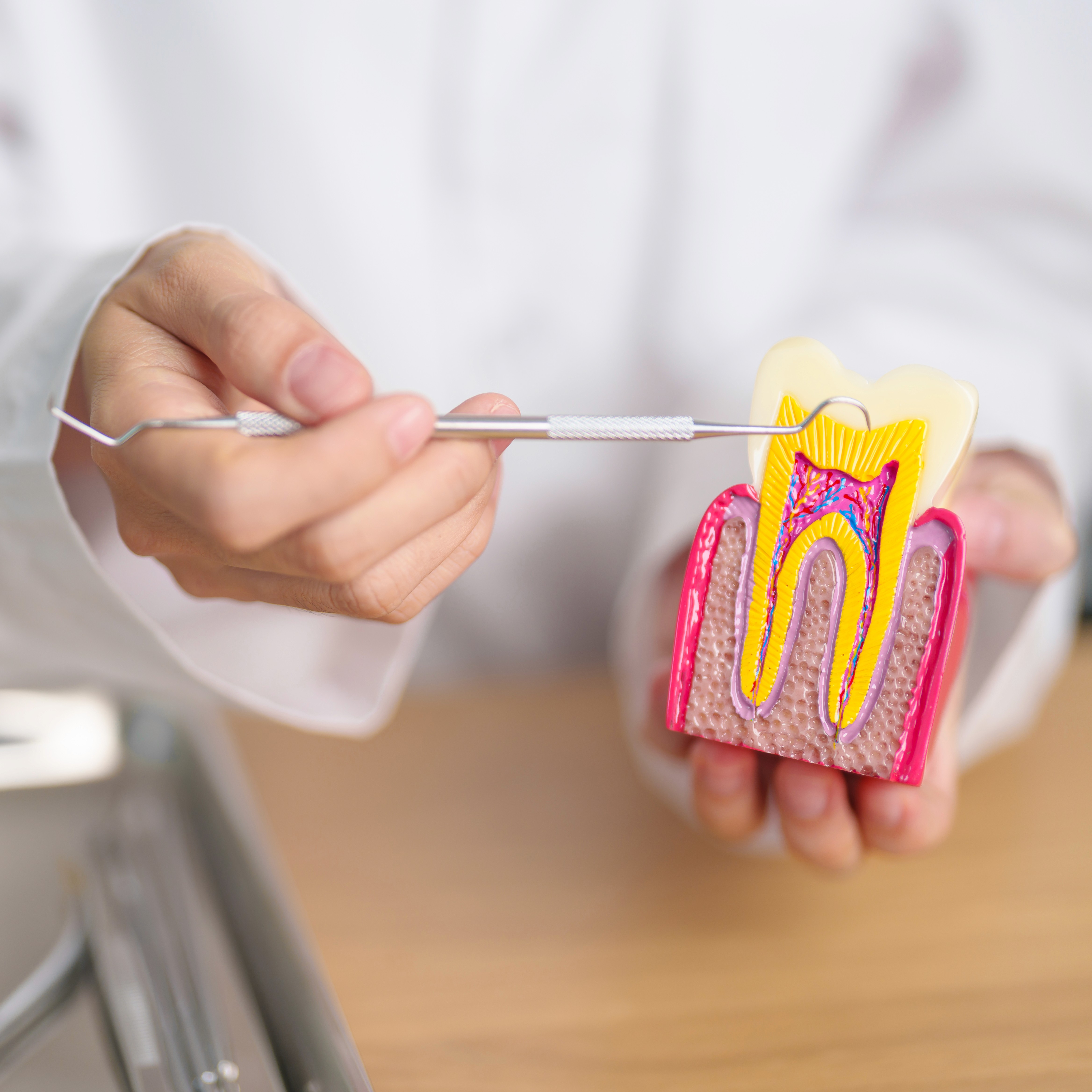
Recognizing early root canal symptoms can be lifesaving for your tooth. Key indicators include severe toothache when biting or chewing, prolonged sensitivity to heat or cold, and noticeable tooth discoloration. These symptoms often suggest that there is an issue with the dental pulp, which may require treatment to prevent further infection or damage.

  1. Severe Toothache: This often occurs when chewing or applying pressure to the tooth, indicating significant inflammation or infection.

  2. Prolonged Sensitivity: A lingering sensitivity to hot and cold can indicate damage to the nerve, which necessitates professional evaluation.

  3. Tooth Discoloration: Darkening of the tooth may signify that the pulp is deceased or dying, which often leads to the need for a root canal.

If you experience these symptoms, visiting a dentist promptly can significantly affect the outcome of the treatment.

When Should You See a Dentist for Root Canal Evaluation?

Prompt evaluation by a dentist is essential when experiencing symptoms of a potential root canal situation. It is vital to prevent the infection from worsening, which can lead to more severe health issues. Dental professionals encourage regular check-ups, as routine exams can help in early detection and intervention.

It’s advisable to schedule an appointment as soon as possible if you notice any of the following:

  • Severe pain that does not subside

  • Swelling or tenderness in the gums

  • Pus or discharge from the affected area

Many dental practices, including Rana Dental, offer same-day emergency appointments for urgent cases to ensure you receive immediate care. For a more thorough understanding of your dental needs, contact us for an evaluation.

What to Expect During the Root Canal Procedure at Rana Dental

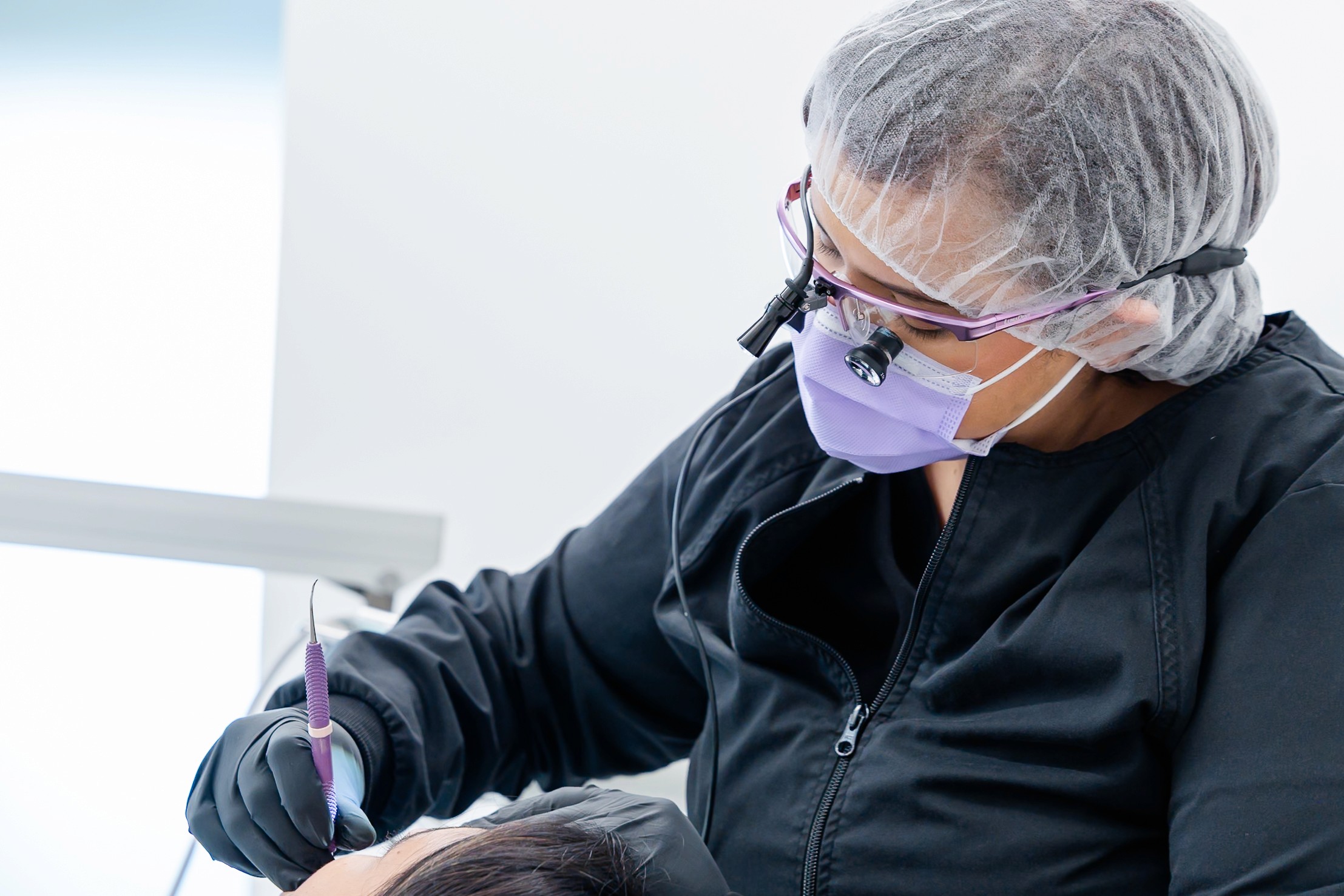
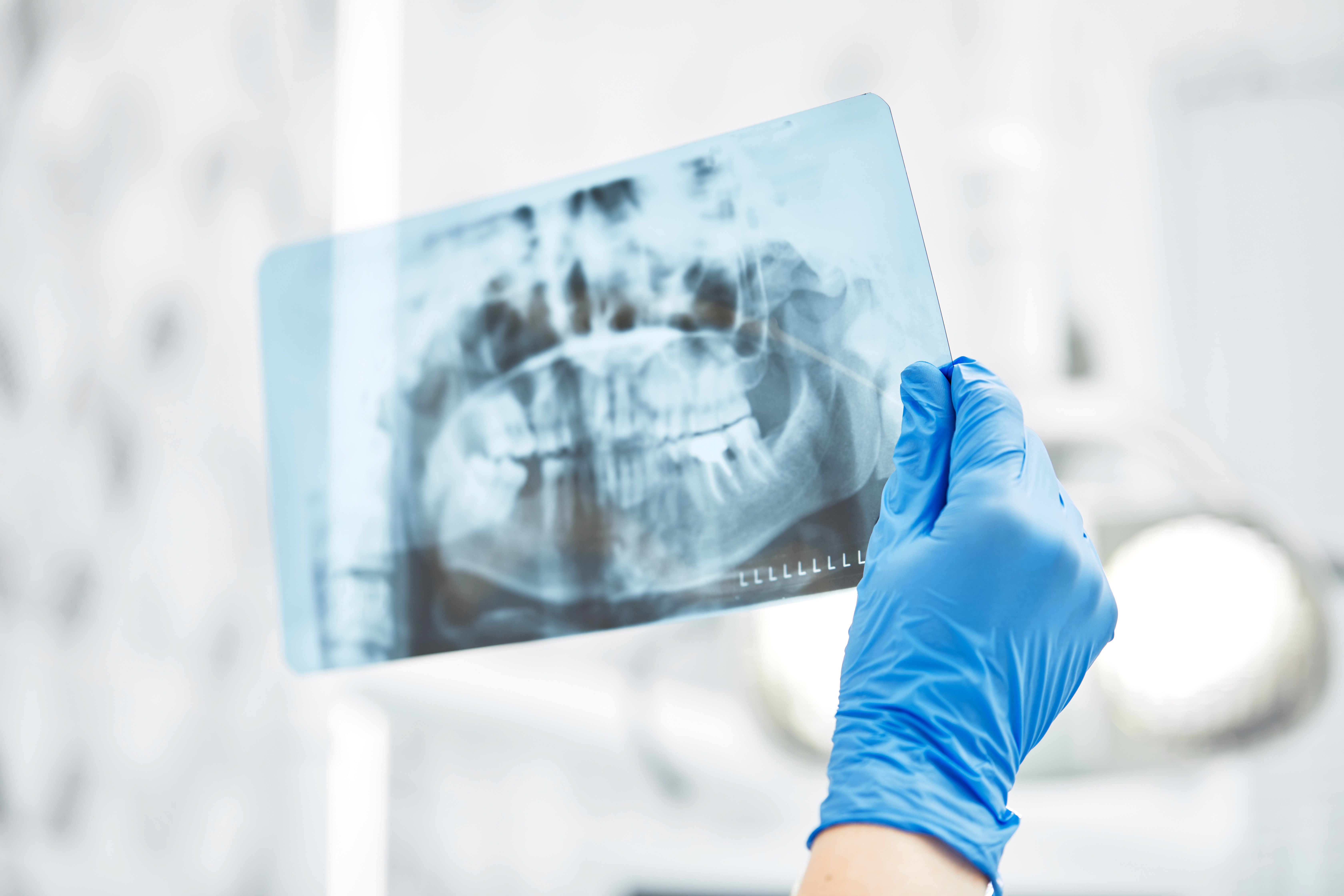
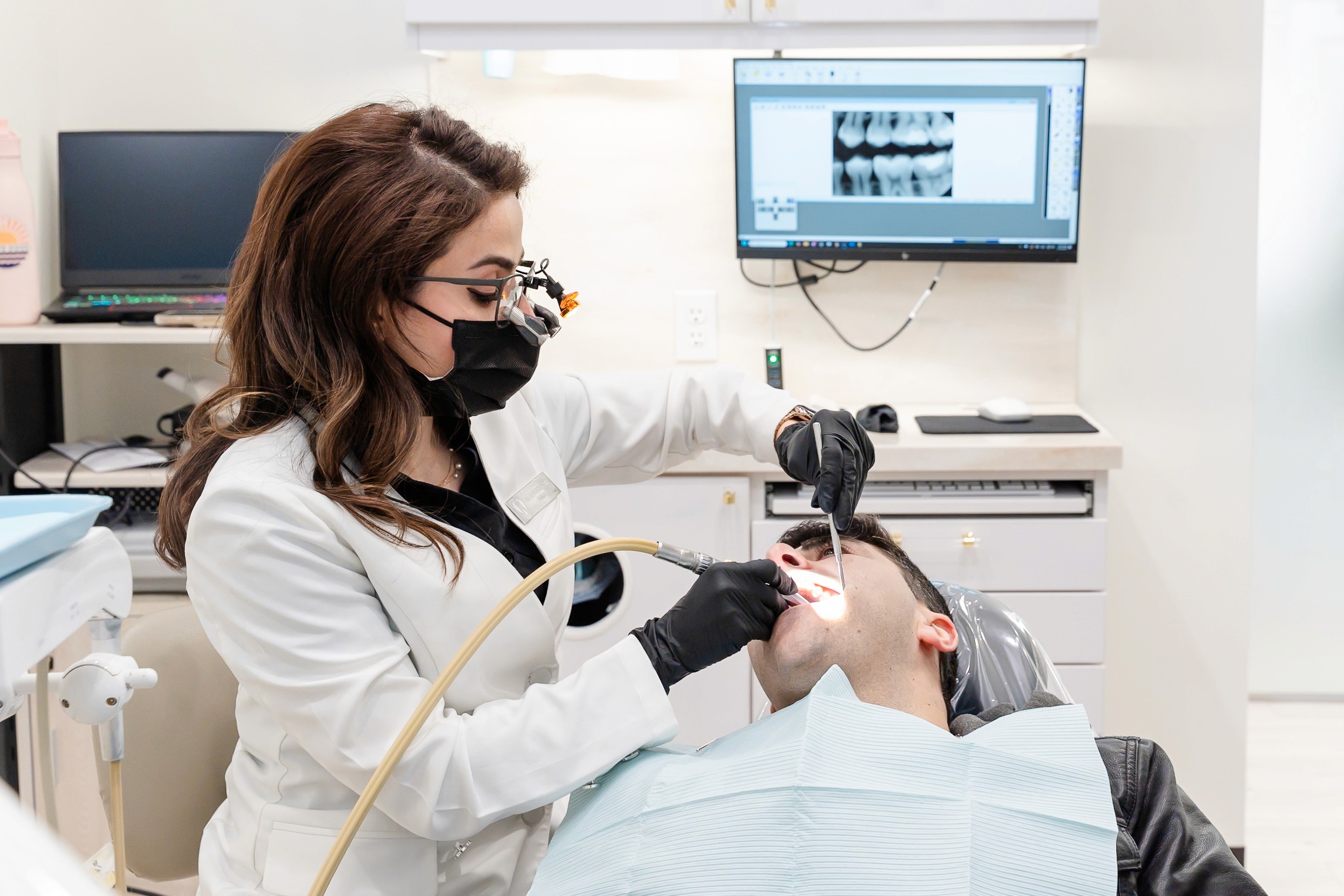
Understanding what to expect during the root canal procedure can help alleviate anxiety and prepare you for the treatment process. Initially, the dentist will conduct a detailed examination, including X-rays, to assess the extent of the infection.

The procedure typically involves the following steps:

  • Anesthesia: Local anesthesia is administered to ensure comfort throughout the procedure.

  • Accessing the Tooth: The dentist creates a small opening in the crown of the tooth to access the pulp chamber.

  • Cleaning and Disinfecting: The infected pulp is removed, and the interior of the tooth is cleaned and shaped to prepare for filling.

  • Filling the Tooth: A biocompatible material is used to fill the cleaned cavity, followed by sealing the tooth with a crown or filling.

At Rana Dental, the focus is on patient comfort and efficient care, ensuring that every aspect of the procedure is handled professionally.

How Does Each Step of Root Canal Therapy Work?

In-depth comprehension of each root canal therapy step reveals critical insights into effective dental treatments. After anesthesia takes effect, the dentist will carefully extract the infected or damaged pulp from the tooth to prevent further complications.

  • Cleaning and Shaping: Thoroughly cleaning the tooth's canals is essential. Using specialized tools, the dentist removes debris and shapes the cavity to hold the filling securely.

  • Filling with Biocompatible Material: Once cleaned, the canals are filled with gutta-percha, a natural rubber-like material that seals the space and helps prevent future infections.

  • Restoration with a Crown: After the root canal, the tooth usually needs a crown restoration, which protects the tooth and restores its function.

This process highlights the importance of root canal therapy in saving teeth that would otherwise need extraction.

What Are the Benefits of Our In-House Lab for Customized Crowns?

Rana Dental takes pride in having an in-house dental lab that provides numerous benefits, enhancing patient experiences and outcomes. With an in-house lab, patients can expect:

  1. Faster Turnaround: Customized crowns can often be fabricated on the same day, reducing the wait time for patients.

  2. Tailored Aesthetic Quality: Crowns are designed to match the natural color and contours of surrounding teeth, ensuring a seamless smile.

  3. Fewer Appointments: The convenience of fewer visits can be a significant relief for patients with busy schedules, making dental care more accessible.

This efficiency not only optimizes patient satisfaction but also contributes to more tailored care for all treatments. Learn more about the benefits of our in-house lab for customized crowns.

Are There Alternatives and Outcomes Besides Root Canal Therapy?

While root canal therapy is often the best option for saving a tooth, alternatives do exist depending on the severity of the situation. Some potential alternatives include:

  • Tooth Extraction: In some cases, if the tooth is severely damaged or infected beyond repair, extraction may be necessary.

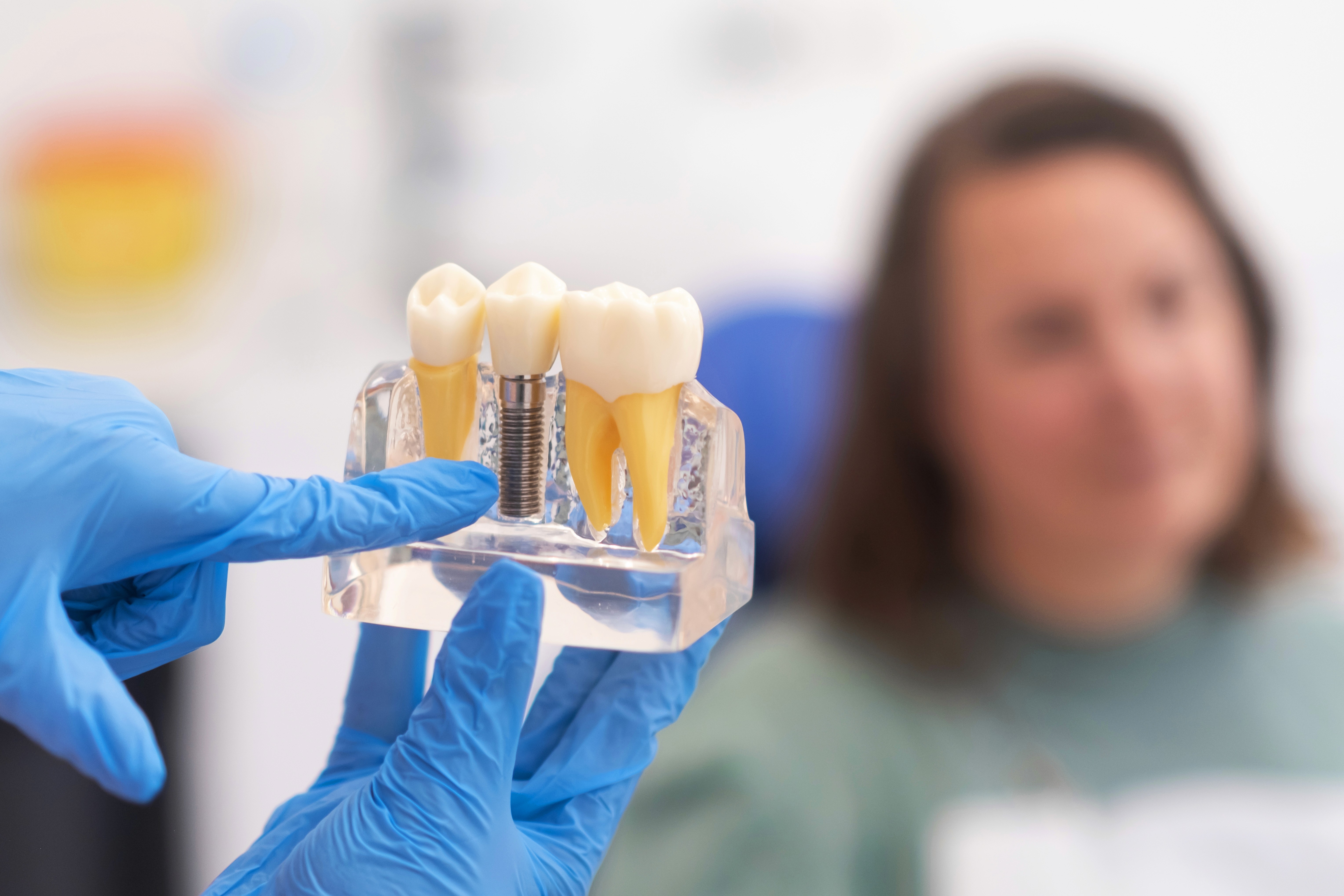
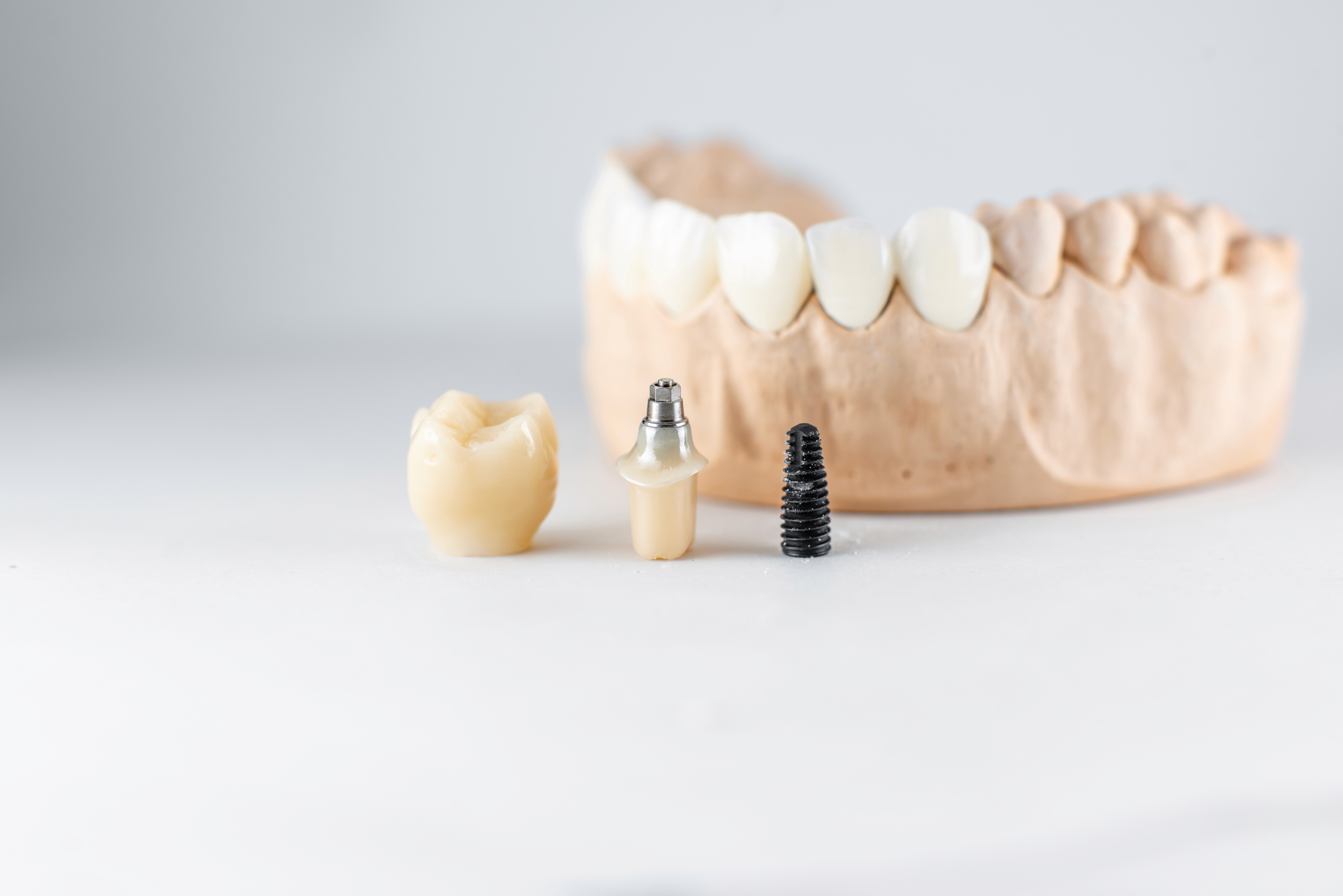
  • Dental Implants: Once a tooth is extracted, an implant can replace the lost tooth, providing stability and functionality.

  • Pulp Capping: In certain situations where the pulp is not yet severely infected, a pulp cap might protect the nerve and promote healing.

These options depend significantly on individual circumstances, and thorough consultation with a dentist will guide the best decision regarding dental care. If extraction is necessary, consider exploring dental implants as a restorative solution.


Alternative Treatment

Description

Outcome

Tooth Extraction

Removing a damaged tooth completely

Loss of natural tooth, replacement needed

Dental Implants

Replacing a missing tooth with an artificial one

Permanent solution, restores function

Pulp Capping

Protecting the pulp from further damage

Potential to save the tooth, less invasive

Understanding these alternatives can empower you to make informed decisions about your dental health.

How Can You Manage Root Canal Pain and Aftercare Effectively?

Managing pain effectively after a root canal is crucial for a smooth recovery. Though discomfort is normal, effective pain management strategies include:

  • Over-the-Counter Pain Relievers: Medications such as ibuprofen can help alleviate pain and reduce inflammation.

  • Cold Compresses: Applying ice packs to the affected area can reduce swelling and numb discomfort for the first few days.

  • Follow-Up Care: Adhering to the dentist’s aftercare instructions regarding eating habits and activities can significantly aid in recovery.

Monitoring your recovery and recognizing signs of complications such as persistent swelling or pain is crucial, as these may indicate the need for further evaluation.

How Does Rana Dental Support Patients with Root Canal Treatment?

At Rana Dental, patient support extends beyond the procedure itself. Recognizing the emotional and physical aspects of dental care, the clinic provides several resources to help patients feel comfortable and informed.

  • Emergency Appointment Availability: Rapid access to care can ease anxiety and improve treatment outcomes for urgent cases.

  • Patient Resources and Aftercare Support: Educational materials and personal consultations help ensure patients understand their treatment plans and aftercare requirements.

  • Testimonials Showcasing Patient Care: Past patient experiences reflect the quality of care and attention that new patients can expect during their treatments.

These measures demonstrate Rana Dental’s commitment to holistic patient care and support.

What Patient Resources and Testimonials Demonstrate Our Care?

Patient resources are vital in establishing trust and demonstrating the quality of care provided by Rana Dental. By highlighting patient testimonials and available support options, potential patients can feel more assured in choosing their dental provider.

  • Importance of Testimonials: Sharing real experiences helps prospective patients gauge the efficacy and compassion of care.

  • Ongoing Support Resources: Patient manuals, consultations, and follow-up calls are part of ensuring that care extends beyond the office visit.

  • Real-Life Patient Stories: Testimonials provide insight into patient experiences regarding comfort, treatment efficacy, and overall satisfaction.

Such transparency can help new patients feel more confident in navigating their dental treatments.

How Do Smile Galleries and Reviews Build Trust and Confidence?

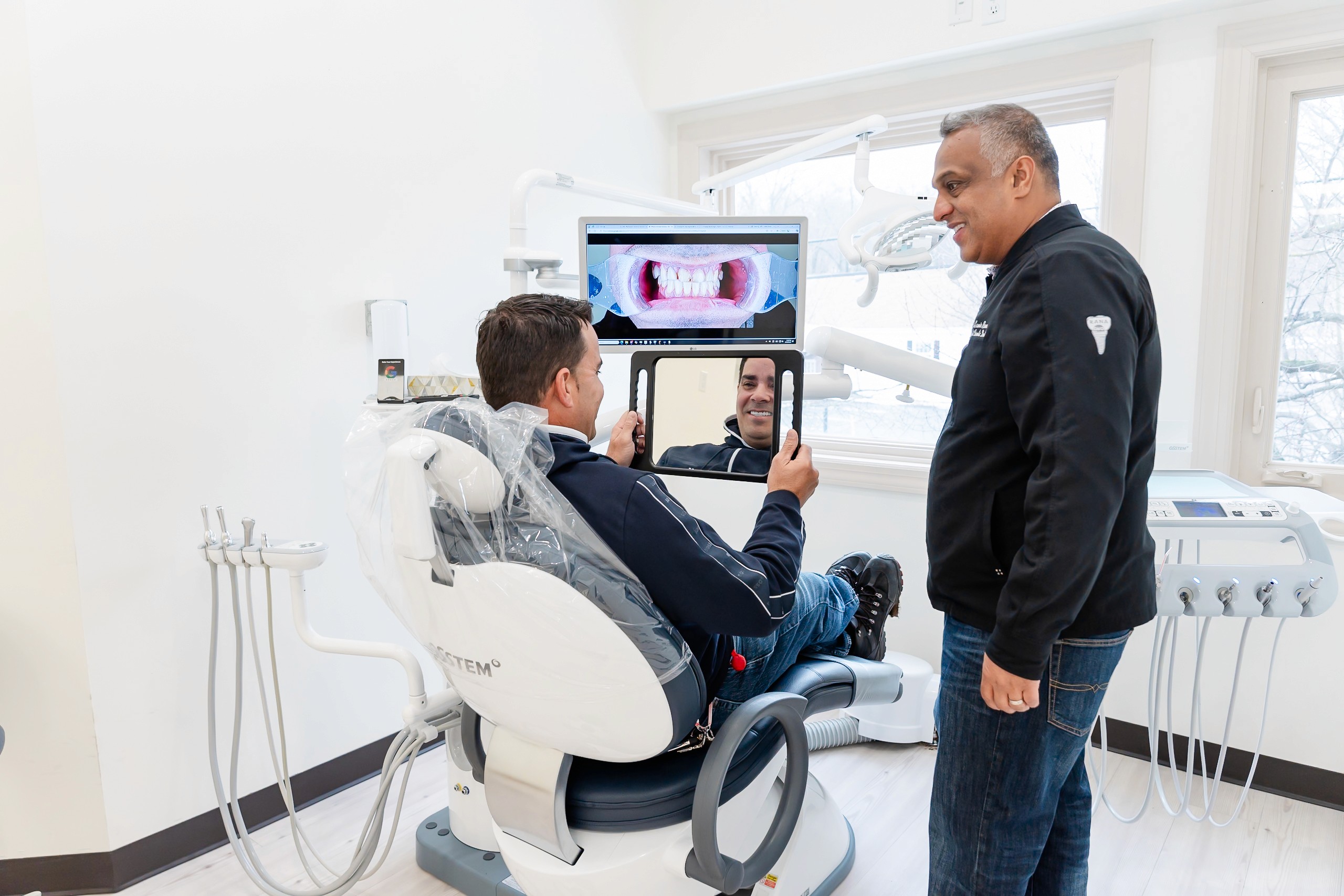
Visual evidence and positive reviews play a significant role in building patient trust. Smile galleries showcase before-and-after transformations, demonstrating the efficacy and aesthetic results of various dental treatments.

  • Role of Smile Galleries: Visual representations of successful treatments help patients visualize outcomes they can expect.

  • Positive Reviews Impact: The influence of peer reviews can alleviate apprehension and create a sense of community among patients.

  • Trust Through Transparency: By openly sharing patient experiences, Rana Dental reinforces its commitment to high standards in dental care.

Building this trust is a key component of patient satisfaction and confidence in receiving necessary treatments. See the results of our work in the smile gallery, and read what our patients say in patient reviews.

Frequently Asked Questions

1. How long does a root canal procedure typically take?

The duration of a root canal procedure can vary based on the complexity of the case and the number of affected roots in the tooth. Generally, a straightforward root canal can take between 60 to 90 minutes. However, more complicated procedures may take up to two hours or more. Following the assessment and treatment planning, your dentist will provide a better estimate based on your specific needs. It's always best to discuss with your dentist for a personalized timeframe.

2. Are root canals painful compared to tooth extraction?

Many patients compare the pain levels of root canal therapy and tooth extraction. While both treatments may involve discomfort, a root canal is typically less painful than an extraction because it aims to save the natural tooth. Furthermore, local anesthesia is used during the procedure, which helps minimize pain. After the procedure, some discomfort may persist, but it can be effectively managed with over-the-counter pain relievers as recommended by the dentist.

3. What are the signs of a successful root canal?

After a successful root canal, patients usually experience relief from the severe pain that prompted the procedure. Signs of healing also include reduced swelling and tenderness in the gums surrounding the treated area. It's common to have some mild discomfort after the procedure, but if pain persists or worsens, this may indicate complications that warrant professional evaluation. Regular follow-up appointments with your dentist can help monitor the tooth's progress and ensure everything is healing properly.

4. Can root canals fail, and what are the reasons?

Yes, root canals can sometimes fail, though this is not very common. Factors that may contribute to failure include not completely cleaning and sealing the canals, new infection due to decay, or a fracture in the tooth that isn't detected. Additionally, issues can arise if an incomplete healing process occurs or if there are anatomical complexities in the tooth structure. If symptoms return after treatment, it's essential to revisit your dentist for possible retreatment options.

5. How should I care for my tooth after a root canal?

After a root canal, proper dental hygiene is crucial for healing and longevity of the treated tooth. Patients should maintain a regular oral care routine, which includes brushing at least twice a day and flossing daily. Avoid chewing hard foods on the treated side until your dentist confirms it's safe to do so, especially if a crown is pending. Following post-operative care instructions from your dentist and attending any follow-up visits will ensure optimal recovery.

6. What factors affect the cost of a root canal treatment?

The cost of a root canal treatment can vary based on several factors including the location of the tooth, the complexity of the treatment, and whether any additional procedures, such as crowns, are needed afterwards. Insurance coverage can also significantly impact out-of-pocket expenses. On average, root canals can range from $500 to $1,500. It's advisable to check with your dental provider and insurance for specific costs and coverage options pertaining to your situation.

7. Are there any lifestyle changes recommended after a root canal?

After a root canal treatment, it's advisable to make certain lifestyle adjustments to promote healing and prevent complications. Avoid consuming hard or chewy foods immediately after the procedure, as this can disturb the healing process. Maintaining good oral hygiene is crucial, so continue with regular brushing and flossing. Additionally, staying well-hydrated and avoiding smoking can help improve recovery times. It's best to follow any personalized advice provided by your dentist regarding lifestyle changes.

Your Smile Journey Begins In One Click

Our Lincoln Park, NJ Dental Office

Conveniently located on Route 46 in Lincoln Park, The Implant Center is accessible to patients throughout Northern New Jersey and beyond. Our modern, comfortable office is designed to make your dental visits as pleasant and efficient as possible. Free parking available.


Hours

Monday - Thursday
Friday
Saturday - Sunday

10:00AM - 6:00PM
9:00AM - 2:00PM
Closed

Comprehensive Dental of Lincoln Park | All Rights Reserved.

Your Smile Journey Begins In One Click

Our Lincoln Park, NJ Dental Office

Conveniently located on Route 46 in Lincoln Park, The Implant Center is accessible to patients throughout Northern New Jersey and beyond. Our modern, comfortable office is designed to make your dental visits as pleasant and efficient as possible. Free parking available.

Hours

Monday - Thursday
Friday
Saturday - Sunday

10:00AM - 6:00PM
9:00AM - 2:00PM
Closed

Comprehensive Dental of Lincoln Park | All Rights Reserved.