Blog
Single Tooth Implants Treatment Process and Recovery: A Complete Patient Guide


Single tooth implants are a revolutionary solution for individuals missing a single tooth, providing a permanent and natural-looking replacement. This comprehensive guide will walk you through the treatment process, recovery expectations, and potential complications associated with single tooth implants. Understanding these aspects is crucial for anyone considering this dental procedure, as it can significantly impact oral health and quality of life. Many patients experience anxiety about the unknowns of dental surgery, but with the right information, they can approach the process with confidence. This article will cover the treatment process, recovery expectations, potential complications, and aftercare instructions, ensuring you are well-informed before making a decision.
Indeed, dental implants have become a highly regarded and reliable treatment option for replacing missing teeth, offering significant advantages over traditional methods.
Single Tooth Implants: Benefits & Emerging Challenges
After tooth loss, an individual may seek tooth replacement so that his/her function and esthetics could be restored. Conventional options in prosthodontics for substituting a missing single tooth include the removable partial denture, partial and full coverage bridgework, and resin-bonded bridgework. Dental implants have gained increasing popularity over the years as they are capable of restoring the function to near normal in both partial and completely edentulous arches. With substantial evidence available, fixed implant-supported prosthesis are fully acknowledged as a reliable treatment option for the replacement of single or multiple missing teeth nowadays. While dental implants are increasingly becoming the choice of replacement for missing teeth, the impediments associated with them are progressively emerging too.
Complications in implant dentistry, A Hanif, 2017
Patient Guide on Single Tooth Implants
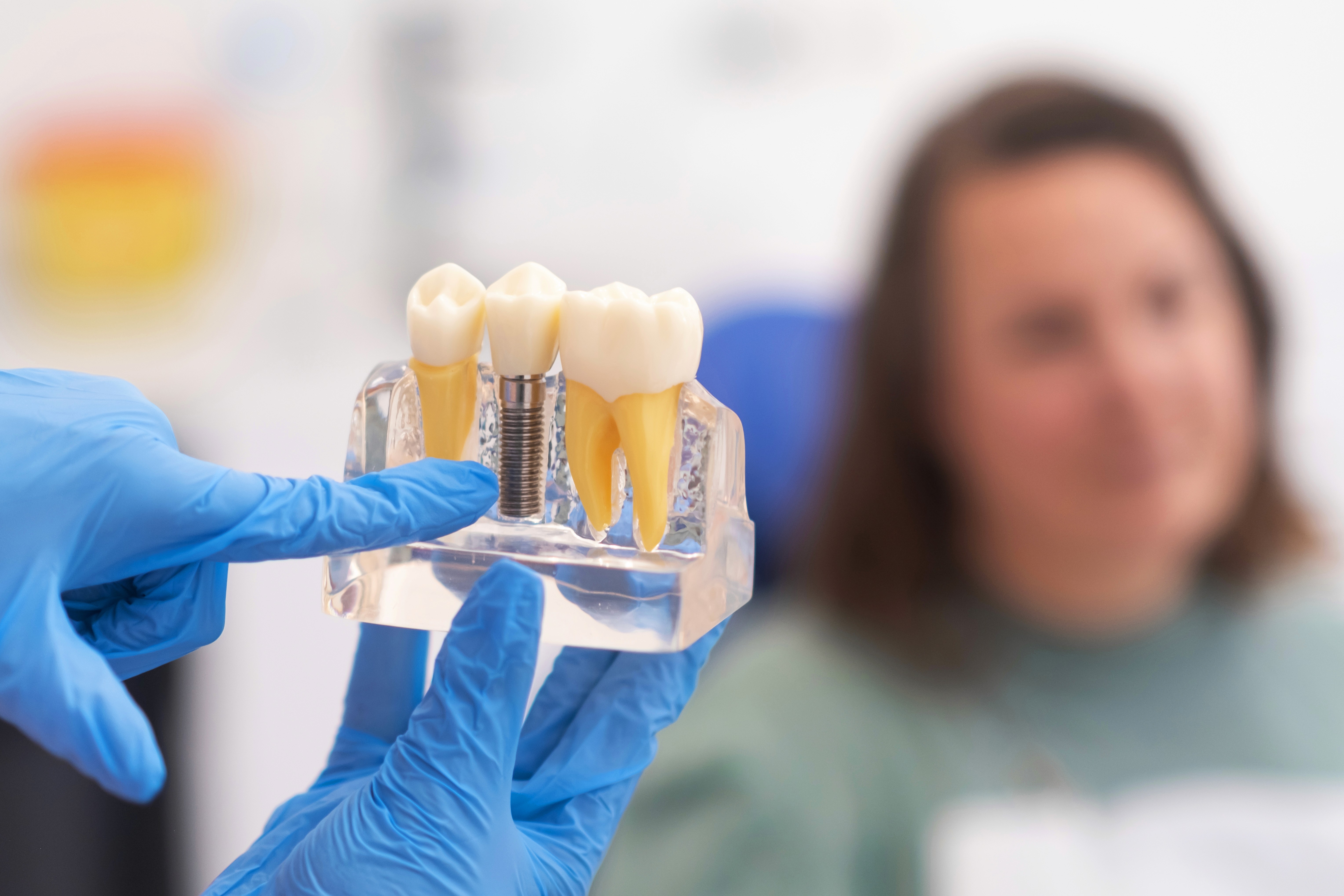
Single tooth implants are artificial tooth roots made of titanium that are surgically placed into the jawbone to support a replacement tooth or bridge. This procedure is essential for restoring function and aesthetics in patients who have lost a tooth due to injury, decay, or other dental issues. The significance of understanding the treatment process and recovery expectations cannot be overstated, as it prepares patients for what lies ahead and helps manage their expectations. At Comprehensive Dental, expert care ensures optimal outcomes for implant patients.
1. Treatment Process:
The treatment process for single tooth implants involves several key steps that ensure the successful placement and integration of the implant.
Consultation: The first step is a thorough consultation with a dental professional to assess the patient's oral health and determine the suitability for an implant.
Implant Placement: During the surgical procedure, a titanium post is inserted into the jawbone, serving as the new tooth root.
Osseointegration: Over the next few months, the implant fuses with the bone in a process called osseointegration, providing a stable foundation for the replacement tooth.
Understanding these steps is crucial for patients as it sets the stage for a successful outcome.
2. Recovery Expectations:
Recovery after a single tooth implant procedure varies from person to person, but there are common expectations that patients should be aware of.
Initially, patients may experience some discomfort and swelling, which can be managed with prescribed pain medication. The healing timeline typically spans several weeks, during which follow-up visits are essential to monitor progress.
Studies confirm that while some postoperative symptoms like pain and swelling are common, they are typically mild and manageable, resolving within the initial recovery period.
Single Tooth Implant Postoperative Symptoms & Recovery
Overall, PROMs between s-CAIS and CIS were not significantly different for the single-tooth implant surgery in the posterior area. Postoperative symptoms after implant surgery still occurred in both groups, including pain, swelling, and bruising, which are common and expected. However, these symptoms were generally mild to moderate and resolved within the first week. Patients reported high satisfaction with both surgical approaches, indicating that both methods are well-tolerated for single-tooth replacement.
Patient‐reported outcome measures comparing static computer‐aided implant surgery and conventional implant surgery for single‐tooth replacement: a randomized …, C Kunavisarut, 2022
Recovery Phase | Duration | Care Instructions |
|---|---|---|
Initial Healing | 1-2 weeks | Manage pain and swelling with medication |
Osseointegration | 2-6 months | Follow up with your dentist regularly |
Final Restoration | 3-6 months | Maintain oral hygiene and attend check-ups |
This table outlines the recovery phases and care instructions, emphasizing the importance of follow-up visits to ensure proper healing.
After discussing recovery expectations, it's important to note that Rana Dental specializes in comprehensive dental care, including single tooth implants. Patients can schedule an appointment to discuss their specific needs and receive personalized care. Visit the contact page to book your consultation.
3. Potential Complications:
While single tooth implants are generally safe, there are potential complications that patients should be aware of.
Infection Risks: Post-surgical infections can occur if proper aftercare is not followed.
Implant Failure: In some cases, the implant may not integrate properly with the bone, leading to failure.
Nerve Damage: There is a risk of nerve damage during the surgical procedure, which can result in numbness or pain.
Being informed about these risks allows patients to take proactive measures to mitigate them.
4. Aftercare Instructions:
Proper aftercare is crucial for the success of a single tooth implant. Patients should follow these guidelines:
Oral Hygiene Practices: Maintain excellent oral hygiene by brushing and flossing regularly.
Dietary Recommendations: Avoid hard or sticky foods that could disrupt the healing process.
Importance of Follow-Up Visits: Regular check-ups with the dentist are essential to monitor the implant's integration and overall oral health.
These aftercare instructions are vital for ensuring a smooth recovery and the long-term success of the implant. Additionally, Rana Dental's in-house lab supports precise and timely restoration fabrication.
What Are Single Tooth Implants and Who Are They For?
Single tooth implants are designed for individuals who have lost a single tooth and wish to restore their smile and functionality. They are suitable for most adults in good health, with sufficient bone density to support the implant. The benefits of single tooth implants include improved aesthetics, enhanced chewing ability, and prevention of bone loss in the jaw.
What Are the Step-by-Step Treatment Procedures for Single Tooth Implants?
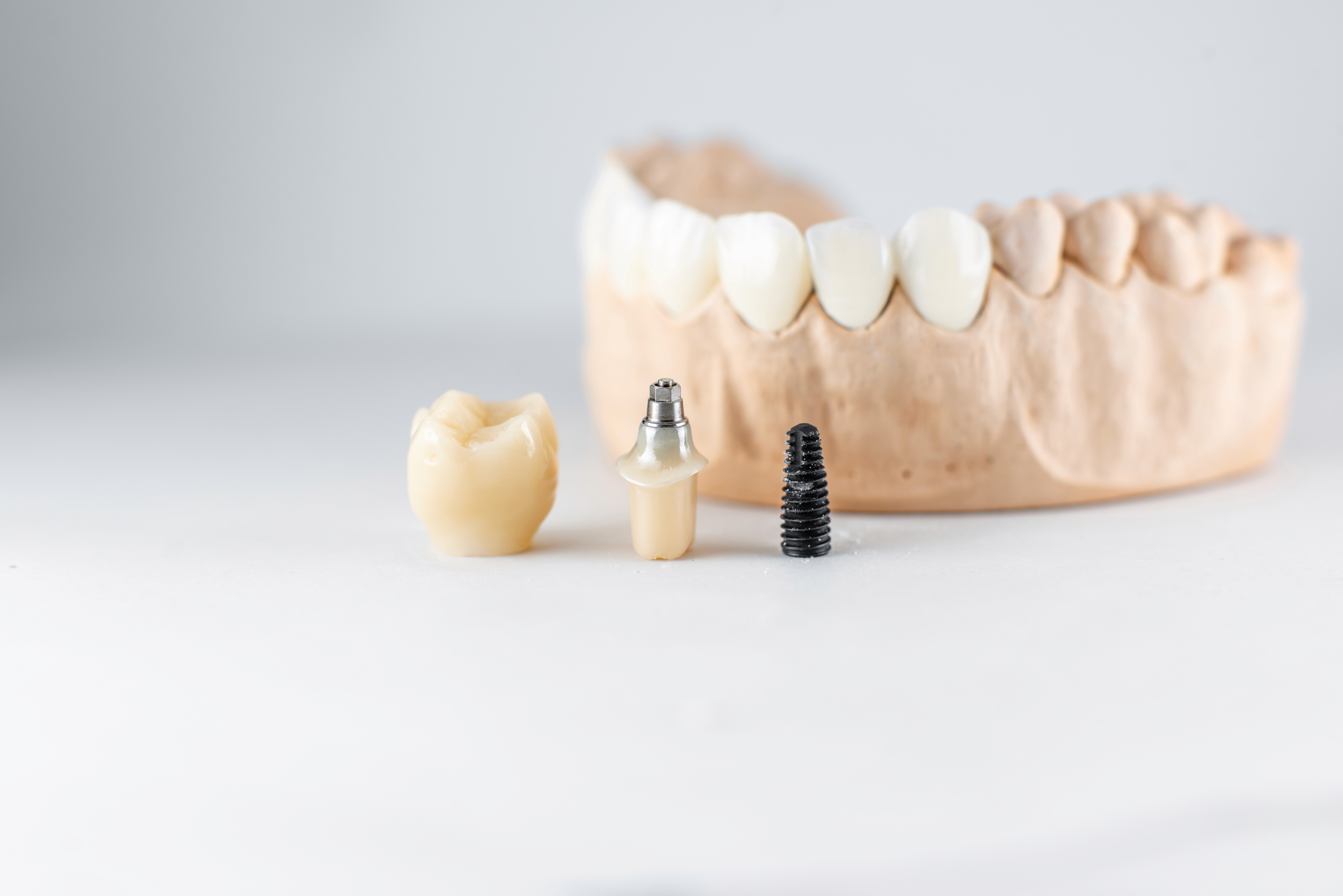
The step-by-step treatment procedures for single tooth implants include:
Initial Consultation: Assessing the patient's dental health and planning the procedure.
Surgical Placement: Inserting the titanium post into the jawbone.
Healing Period: Allowing time for osseointegration to occur.
Abutment Placement: Attaching a connector to the implant.
Crown Placement: Finally, placing the custom-made crown on the abutment.
This structured approach ensures that each phase of the treatment is carefully executed for optimal results.
Is Tooth Extraction Necessary Before Implant Placement?
Tooth extraction may be necessary before implant placement if the existing tooth is severely damaged or decayed. The decision depends on the individual case, and a dental professional will evaluate the need for extraction during the consultation.
The timing of implant placement, whether immediately or at a later stage after extraction, is a critical decision influenced by various clinical factors.
Timing of Single Tooth Implant Placement
In the case of single tooth replacement, implant placement can be performed immediately, early, or late after tooth extraction. Immediate implant placement is defined as implant placement at the same surgical appointment as the tooth extraction. Early implant placement is defined as implant placement 4 to 8 weeks after tooth extraction, and late implant placement is defined as implant placement 6 months or more after tooth extraction. The decision of when to place the implant depends on various factors, including the condition of the extraction site, the presence or absence of acute purulent infection, and the patient's esthetic demands. Immediate implant placement offers the advantage of a reduced number of post-surgical visits.
Implant placement post extraction in esthetic single tooth sites: when immediate, when early, when late?, D Buser, 2000
What Happens During Implant Surgery?
During implant surgery, the dentist will administer anesthesia to ensure the patient's comfort. The procedure involves making an incision in the gum to expose the jawbone, where the titanium post will be placed. After the post is secured, the gum is stitched closed, and the healing process begins.
How Long Is the Recovery Time and What Does It Involve?
Recovery time for a single tooth implant typically ranges from a few weeks to several months, depending on individual healing rates and the complexity of the procedure. Patients can expect to return to normal activities within a few days, but full integration of the implant may take 2-6 months.
What Are the Costs and Risks Associated with Single Tooth Implants?
The average cost of a single tooth implant is approximately $3,000 to $4,500. Factors influencing costs include the complexity of the case, the need for additional procedures like bone grafting, and the materials used for the crown. Potential risks include infection, implant failure, and nerve damage, which should be discussed with a dental professional. For examples of successful cases, view the smile gallery.
What Are the Common Risks and Complications of Single Tooth Implants?
Common risks and complications associated with single tooth implants include:
Infection: Can occur at the surgical site.
Implant Failure: May happen if the implant does not integrate properly.
Nerve Damage: Can lead to numbness or pain.
Understanding these risks helps patients make informed decisions about their dental care.
How Much Does a Single Tooth Implant Procedure Cost?
The cost of a single tooth implant procedure is generally around $3,000 to $4,500. This price can vary based on several factors, including the need for additional treatments and the specific materials used. Patients are encouraged to discuss financing options and insurance coverage with their dental provider.