
The All-on-X Dental Implant Process, Explained
The All-on-X dental implant process is a coordinated sequence of diagnosis, planning, surgery, healing, restoration, and maintenance. It is used when a patient needs a full upper or lower arch of replacement teeth supported by dental implants. While online summaries sometimes make treatment sound identical for everyone, a responsible plan is individualized. Dr. Samir Rana is an official All-on-X provider who can map the process around your oral health, bone anatomy, medical history, bite, and personal goals. This guide outlines common steps so patients can ask informed questions and understand why each phase matters.
Step 1: Consultation and Goal Setting
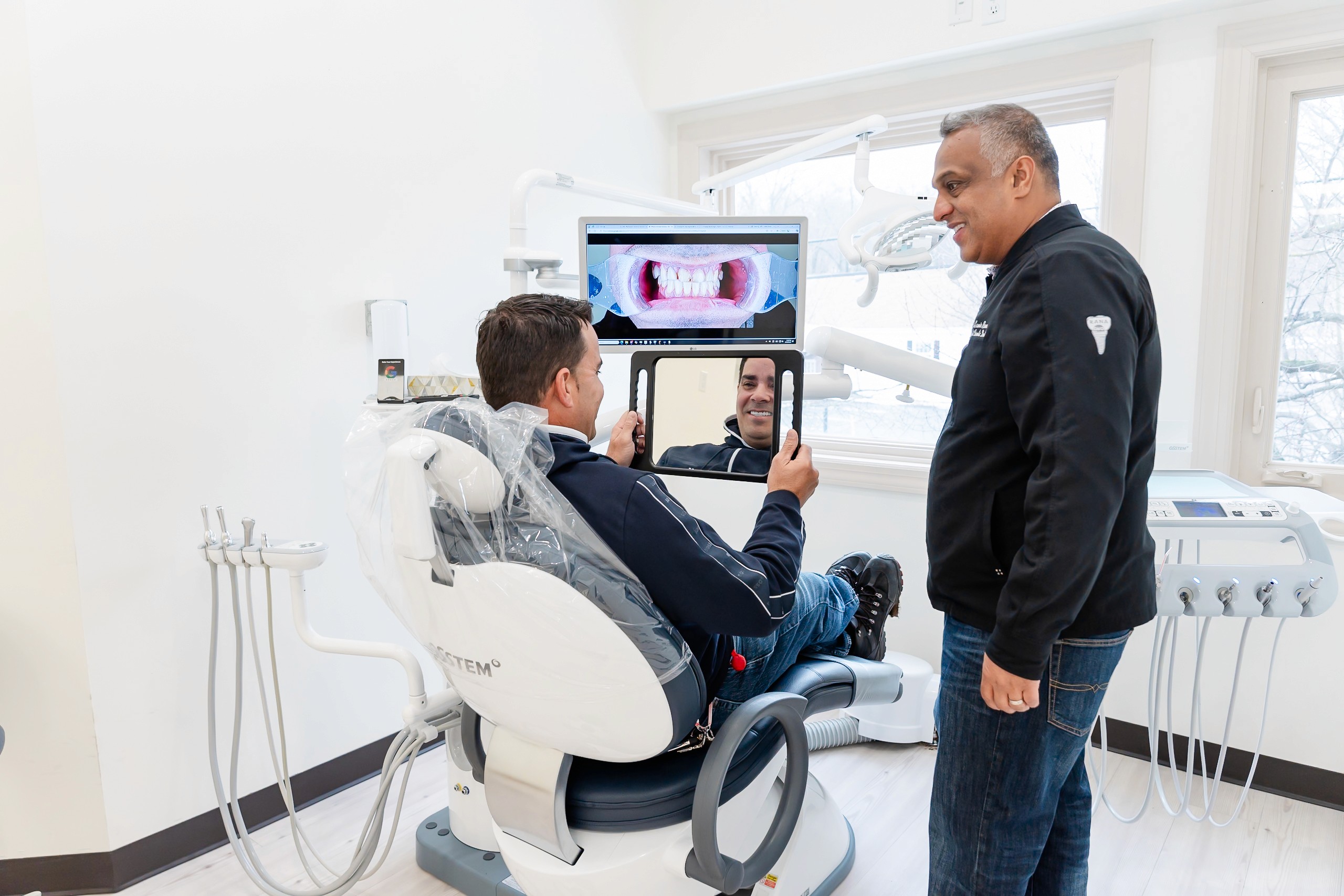
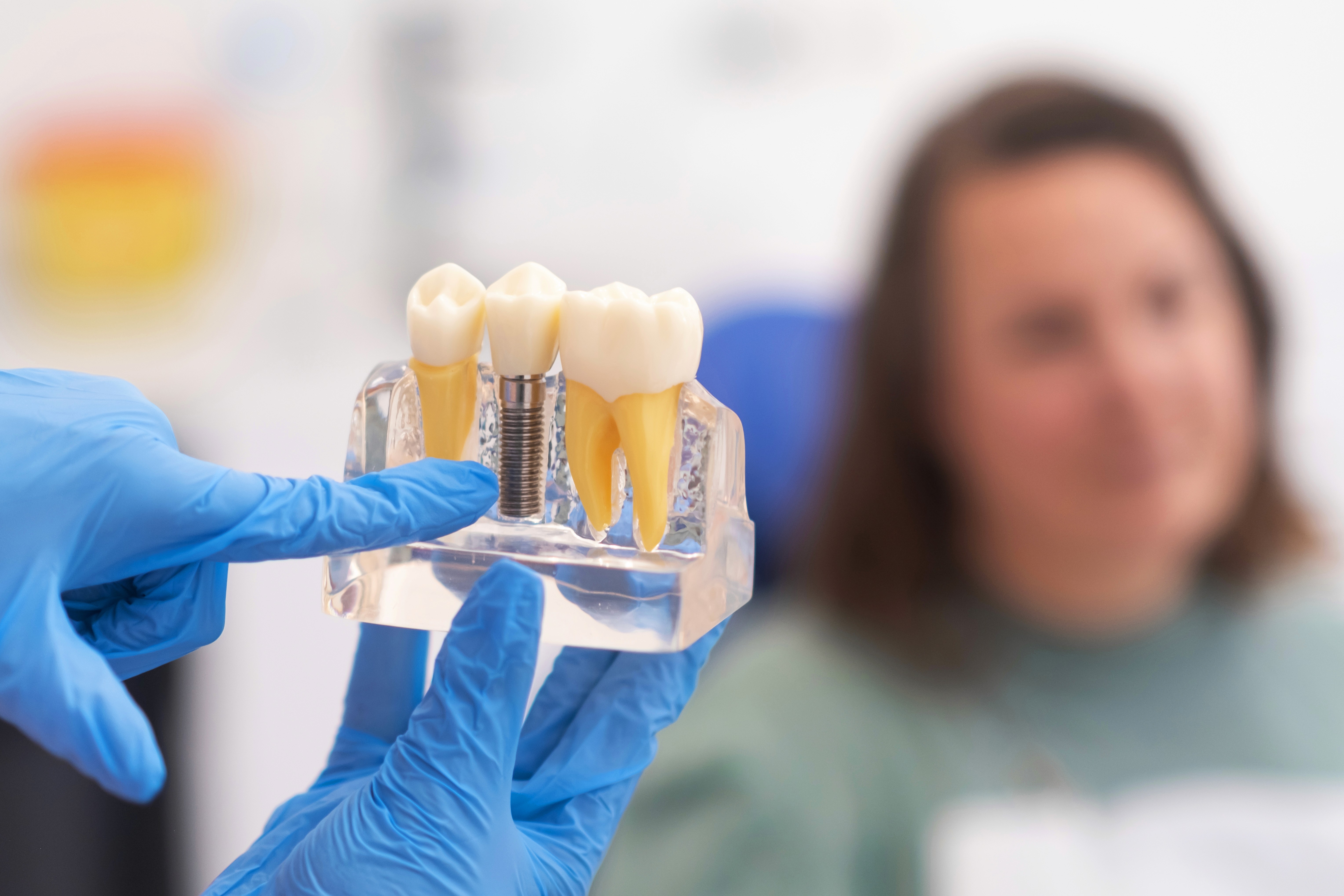
The process begins with a conversation. The dental team asks about missing teeth, pain, difficulty chewing, current dentures, past dental work, medications, medical conditions, and goals for your smile. Some people want a fixed alternative to a loose denture; others are facing extractions because their remaining teeth cannot be predictably saved. This is also the time to discuss practical priorities, such as appearance, treatment pace, sedation, financial planning, and the level of maintenance you can commit to. A consultation should include room for questions and honest discussion of benefits, limits, risks, and alternatives.
Step 2: Examination, Imaging, and Digital Records
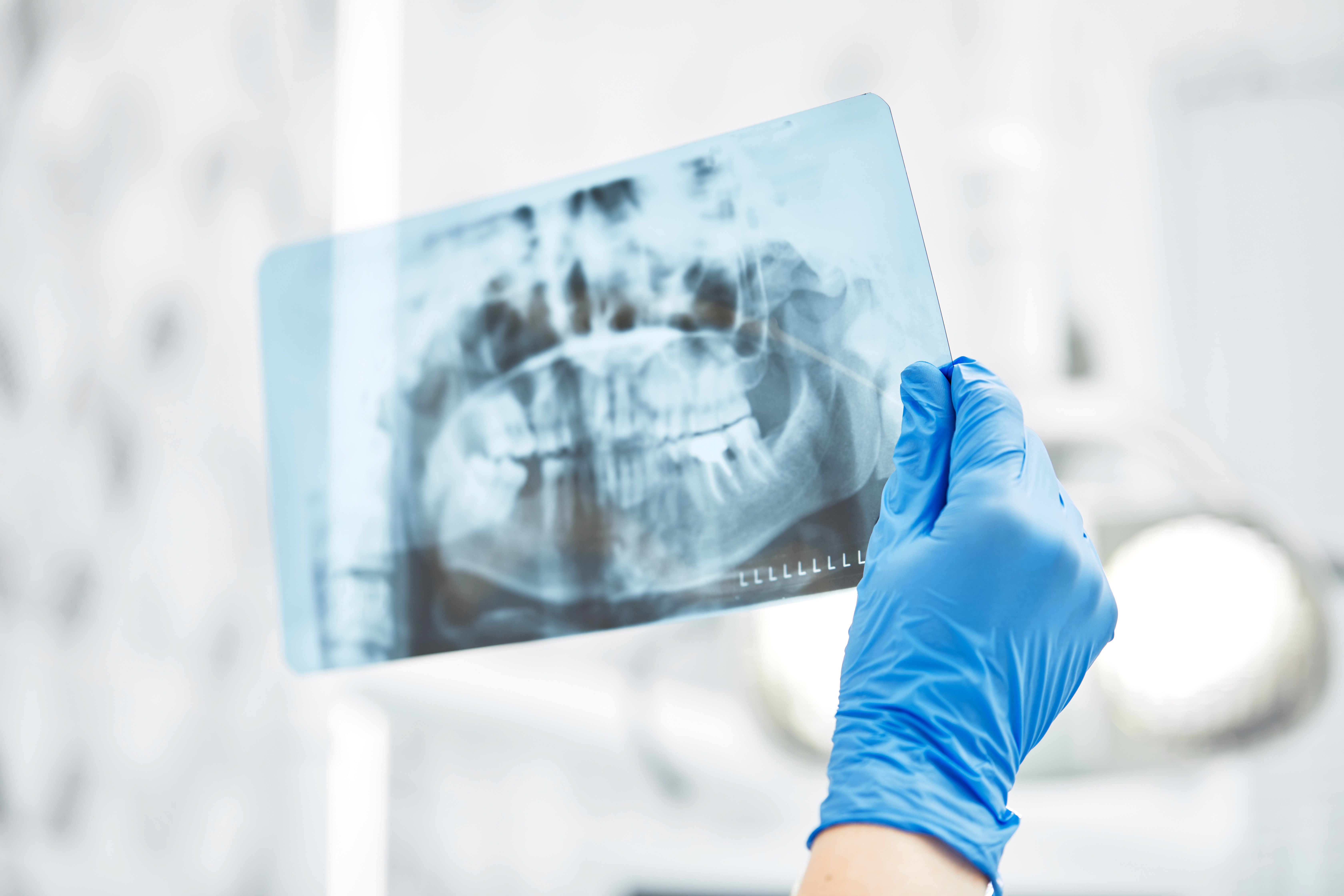
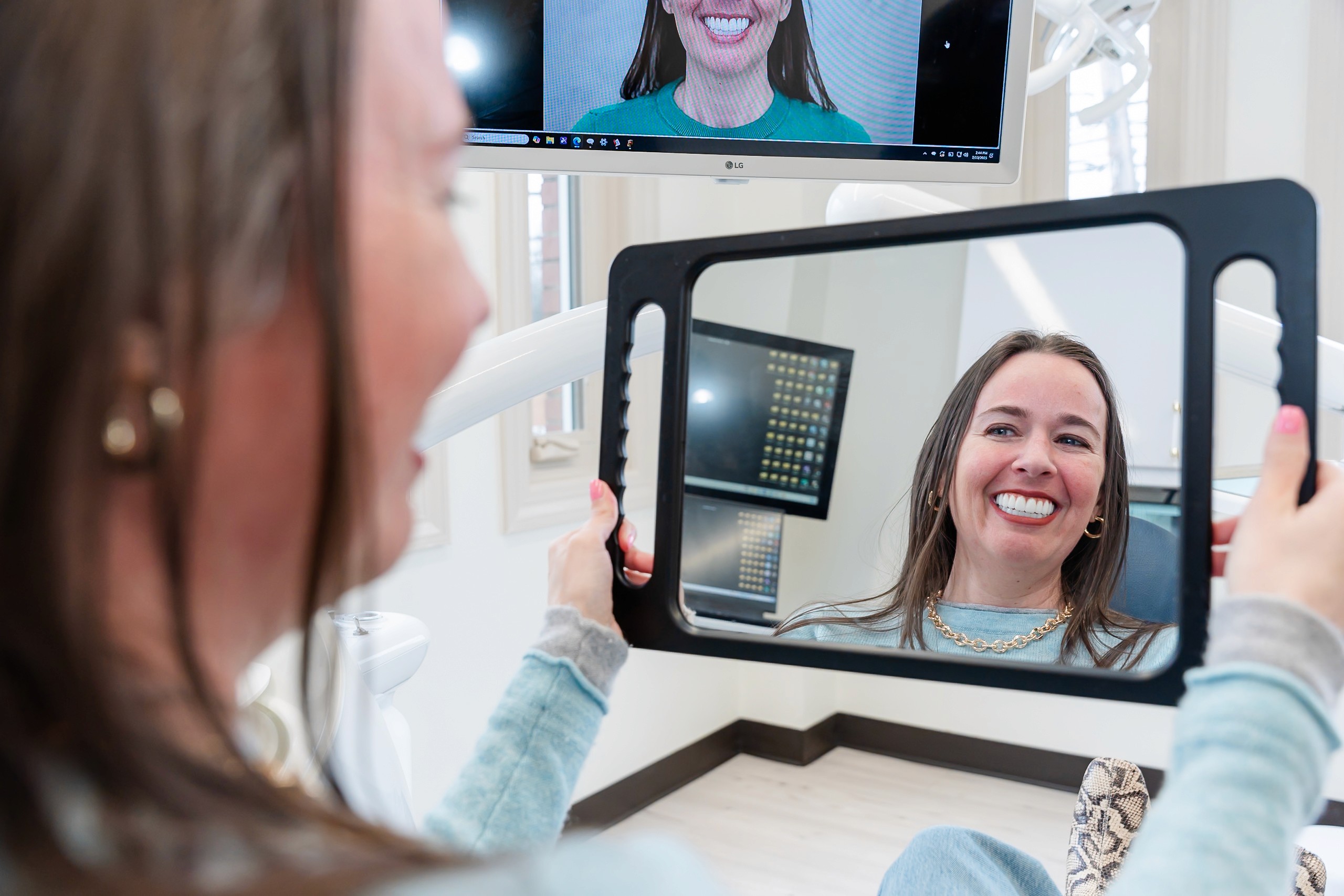
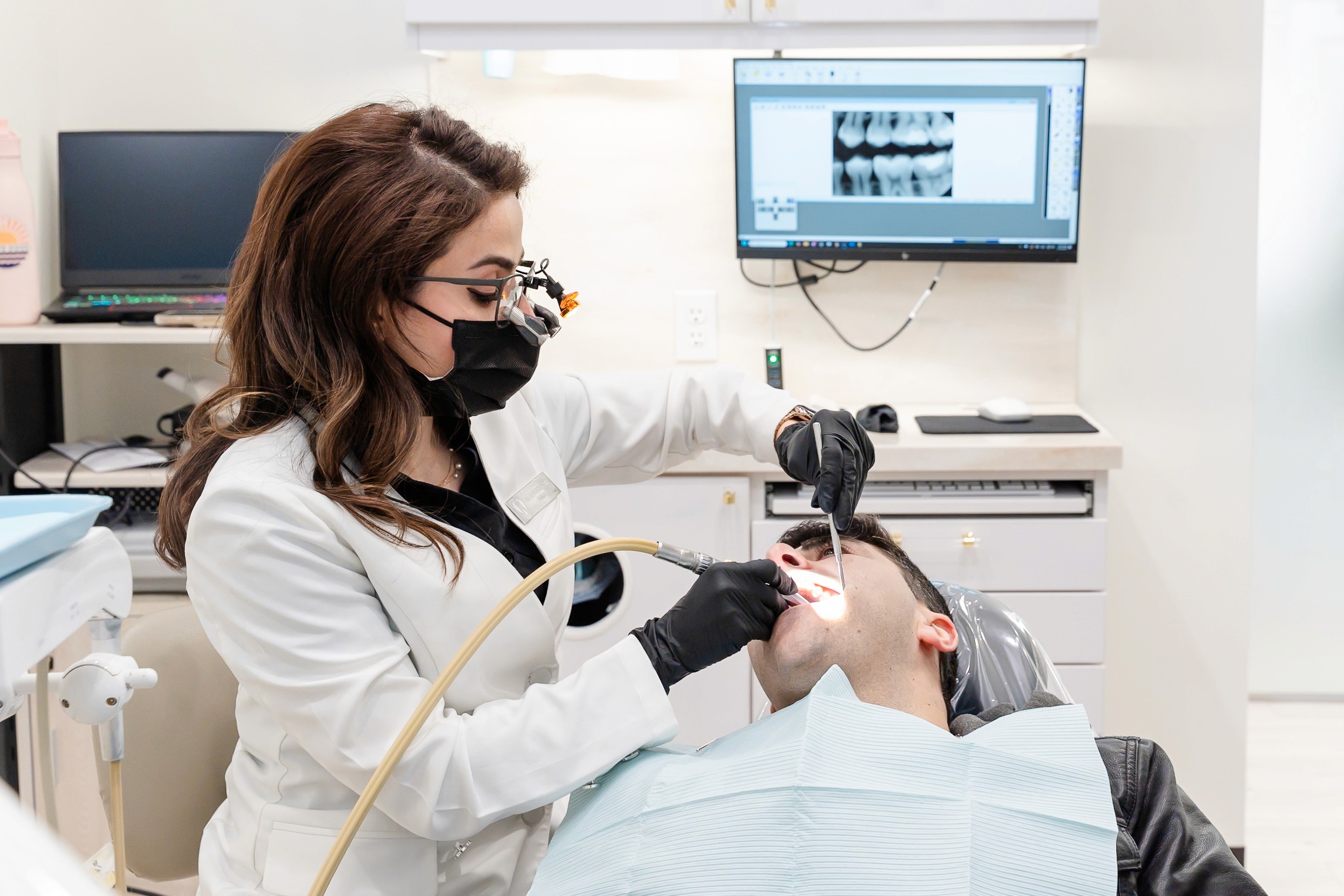
Clinical examination and diagnostic records guide the treatment plan. This may include photographs, digital scans, X-rays, and three-dimensional imaging. These records help evaluate tooth condition, gum health, jawbone volume, nerve and sinus anatomy, bite relationship, restorative space, and facial support. The information is used to determine whether teeth need to be removed, how many implants may be appropriate, and where they can be placed. Digital planning supports precision, but it does not replace clinical judgment. The surgical and restorative plan must adapt to the patient’s anatomy and biological response.
Step 3: Preparing the Mouth for Treatment
Before implant placement, some patients need preparatory care. That may include treating infection, improving gum health, extracting teeth with a poor prognosis, adjusting medications in coordination with a physician, or addressing habits such as nicotine use. In select cases, the plan may involve bone grafting or a staged sequence; in others, available bone can support a carefully planned implant approach without grafting. Preparation is not a delay for its own sake. It reduces risk and helps create healthier conditions for surgery and healing. Your provider should explain why each preparatory recommendation is relevant to your own case.
Step 4: Implant Surgery and Temporary Teeth
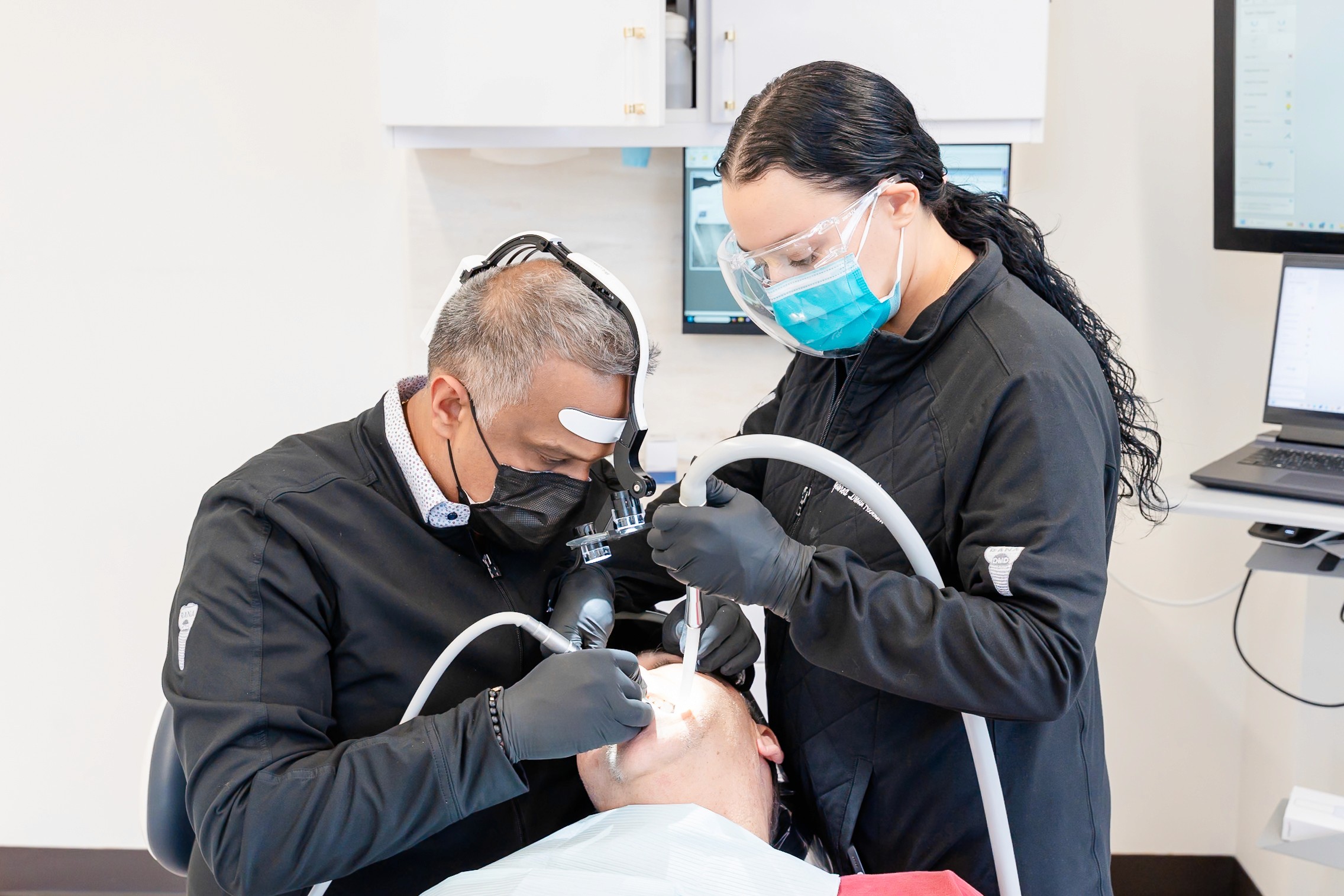
On the day of surgery, the team follows the established plan while remaining responsive to real clinical findings. Implants are placed in the jawbone to support the future full-arch bridge. If teeth are being removed, that may happen during the same visit when clinically appropriate. Depending on implant stability, bone quality, bite conditions, and the overall plan, some patients may receive a fixed provisional restoration soon after surgery. Others may use a removable temporary or follow a staged pathway. A same-day temporary is not a guarantee for every patient. The priority is a stable, safe result that protects healing implants.
Step 5: Early Recovery and Healing
After surgery, patients receive individualized instructions for medication, oral hygiene, diet, activity, and follow-up. Swelling, tenderness, bruising, and fatigue can occur, and the experience varies from person to person. A soft diet is commonly recommended while the surgical sites heal and the implants begin to integrate with bone. Follow-up visits allow the team to monitor tissues, comfort, bite, and the temporary restoration. Call the office promptly about increasing pain, persistent bleeding, swelling that worsens, fever, a loose temporary, or any concern that feels unusual. Early communication helps the team protect the treatment and your comfort.
Step 6: Integration and Prosthetic Refinement
Osseointegration is the biological process by which the bone heals around the implants. Healing time depends on individual factors and should not be rushed. During this phase, the team may make adjustments to the temporary teeth as gums settle and the bite is refined. Patients should continue the recommended diet and cleaning routine, even if they feel well. The purpose of temporary teeth is not only appearance; they can also help evaluate speech, tooth position, smile design, and comfort before the final bridge is made. This phase provides valuable information for the long-term restoration.
Step 7: Designing the Final Full-Arch Bridge
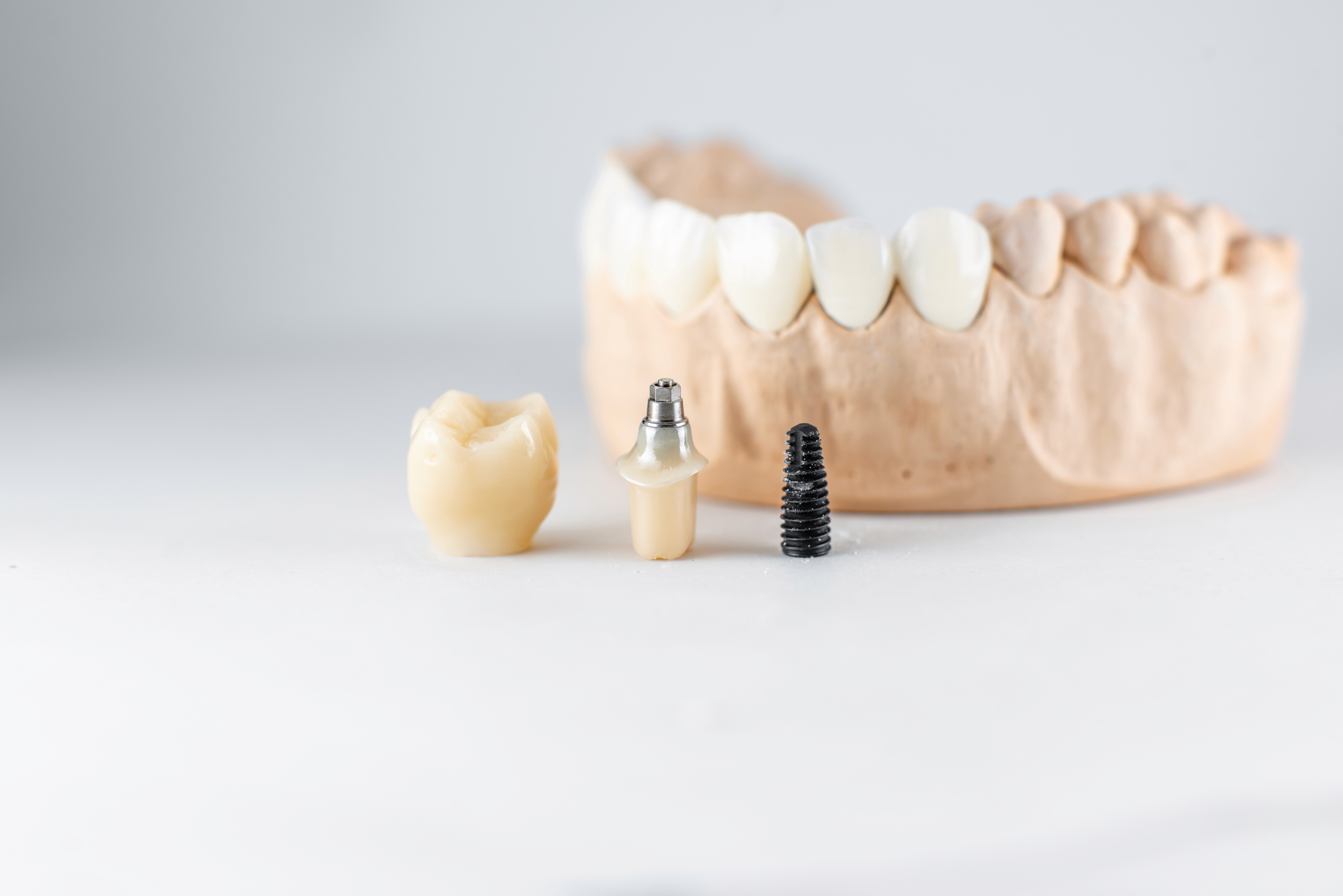
Once healing and clinical milestones support moving forward, records are taken for the final bridge. The design considers bite, phonetics, facial support, tooth display, tissue contours, material options, and the ability to clean around the restoration. A final bridge should be attractive, but it must also be functional and maintainable. The provider may use digital scans, prototypes, or try-ins to refine details. Patients should share feedback about speech, comfort, and appearance during these appointments. The final restoration is a major step, yet it remains part of an ongoing care relationship rather than the end of treatment.
Step 8: Maintenance Protects the Investment
All-on-X treatment continues after the final teeth are delivered. Daily cleaning beneath and around the bridge is essential, and professional maintenance visits help check the tissues, implant stability, bite, screws, and restorative materials. The team may recommend a water flosser, soft brush, interdental aids, and a protective nightguard for patients who clench or grind. A fixed bridge cannot develop a cavity like a natural tooth, but implants and gums can still develop inflammation or disease. Mechanical components can also wear or loosen. Regular care gives small problems the best chance of being found early.
Planning Your Next Step in Lincoln Park
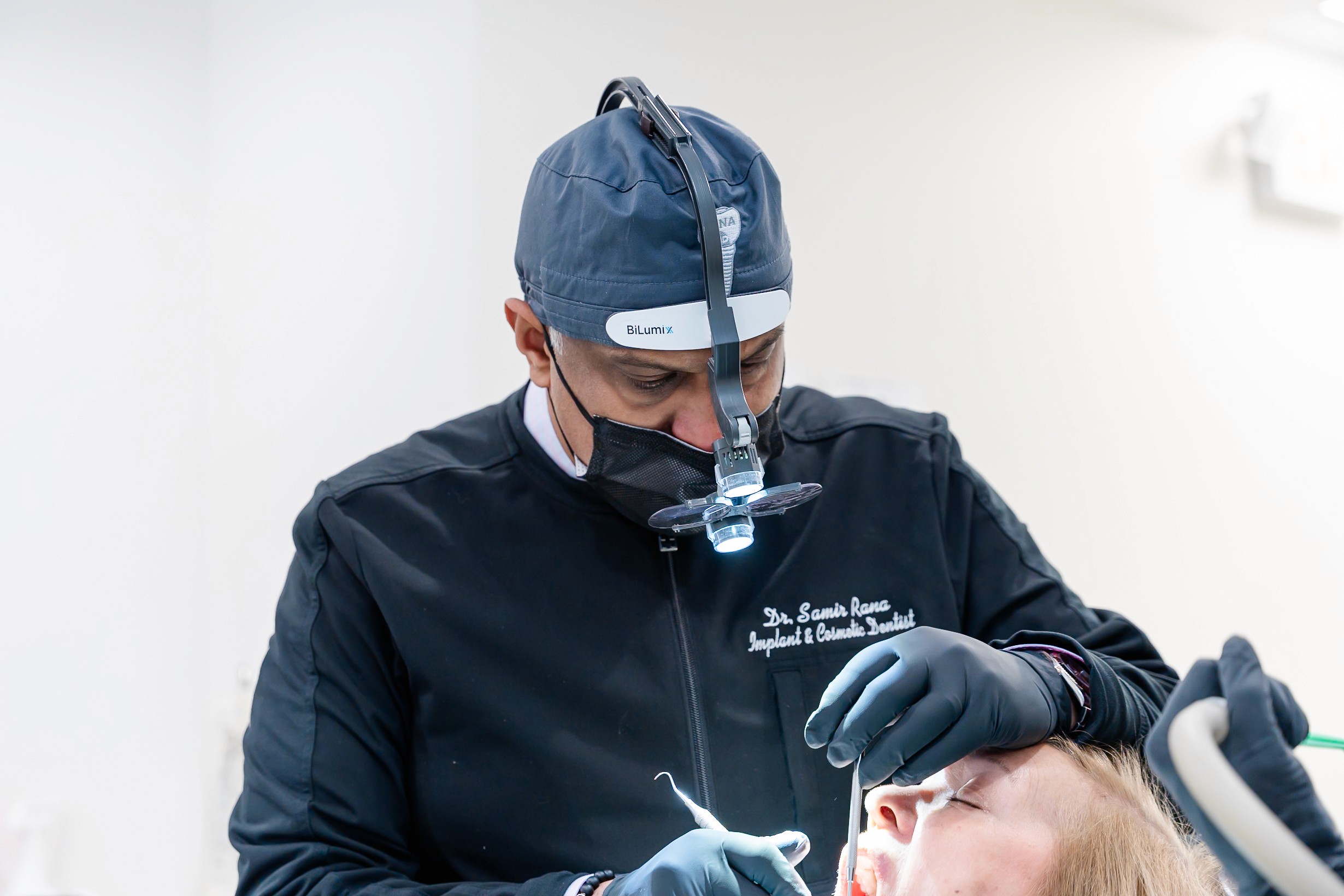
If you are considering full-arch dental implants, a personal assessment is the safest way to understand your timeline. Dr. Samir Rana, an official All-on-X provider in Lincoln Park, NJ, can explain which steps apply to your case, whether temporary teeth are appropriate, what healing may involve, and how final restorations are maintained. Every patient deserves an explanation that is clear, realistic, and grounded in their own clinical records. This article provides general education only and is not a substitute for an examination, diagnosis, or individualized medical advice.