Blog
Types of Dentures and the Procedure: Understanding Options, Benefits, and Fitting Process


Dentures are essential dental prosthetics designed to replace missing teeth, restoring both function and aesthetics. They can significantly enhance a person's quality of life by improving speech, chewing ability, and self-esteem. This article delves into the various types of dentures available, their benefits, and the fitting process involved. Understanding these aspects is crucial for anyone considering dentures, as it helps in making informed decisions about oral health. We will explore the two main types of dentures, their advantages, and the step-by-step procedure for fitting them, including insights into the services offered by Comprehensive Dental, a leading dental implant center in Lincoln Park, New Jersey.
There are two main types of dentures available:
Dentures primarily fall into two categories: full dentures and partial dentures. Full dentures are used when all teeth are missing, while partial dentures are designed for individuals who still have some natural teeth remaining. Each type serves a unique purpose and is tailored to meet the specific needs of the patient.
Benefits of Dentures
Dentures offer numerous advantages that can greatly enhance a person's quality of life. Here are some key benefits:
Improved Aesthetics: Dentures restore the natural appearance of teeth, helping individuals regain their smile and confidence.
Enhanced Functionality: They improve chewing and speaking abilities, making daily activities more manageable.
Bone Preservation: Dentures can help maintain the structure of the jawbone, preventing further deterioration.
Comprehensive Dental specializes in providing high-quality dentures, ensuring that each patient receives a customized solution that meets their unique needs.
Research consistently highlights the profound impact of well-crafted dentures on an individual's overall well-being and daily life.
Patient Satisfaction with Removable Complete & Partial Dentures
The quality of removable dentures (acrylic partial and complete) significantly affects patients’ quality of life, encompassing aspects such as aesthetics, function and the psychological well-being of individuals by restoring their smile. This study aimed to evaluate patients’ satisfaction with aesthetics, support, function, and comfort of acrylic removable partial and complete dentures and their acceptance of the procedure.
Clinical Evaluation of Patient Satisfaction with Aesthetics, Retention, Function, and
Comfort of Removable Complete and Partial Acrylic Dentures, AQ Ahmed, 2025
Fitting Process
The fitting process for dentures is a critical step that ensures comfort and functionality. It typically involves several stages:
Initial Consultation: A thorough examination is conducted to assess the patient's oral health and determine the best type of dentures.
Design and Customization: Impressions of the mouth are taken to create a precise model for the dentures.
Trial Fittings: Patients try on the dentures to ensure proper fit and comfort before the final adjustments are made.
At Comprehensive Dental, we utilize an in-house lab to customize dentures, allowing for a more personalized fitting experience.
Advanced technologies, such as CAD/CAM, are increasingly being adopted to enhance the precision and efficiency of denture fabrication.
CAD/CAM Technology for Quality Denture Fabrication
The integration of CAD/CAM technology into complete denture design and fabrication helps improve the quality of the dentures and simplify the laboratory work. Time-consuming laboratory procedures are reduced or eliminated allowing the dental technician to ensure reproducible, efficient, and accurate prostheses.
Materials and processes for CAD/
CAM complete denture fabrication, NZ Baba, 2016
What Are the Different Types of Dentures Available?
Understanding the different types of dentures is essential for making an informed choice. The two primary types are full dentures and partial dentures.
How Do Full Dentures Differ from Partial Dentures?
Full dentures are designed for individuals who have lost all their teeth, while partial dentures are used when some natural teeth remain. Full dentures cover the entire arch of the gums, whereas partial dentures fit around existing teeth, providing support and stability. Both types are crafted to enhance aesthetics and functionality, but the choice between them depends on the individual's dental condition.
What Are Implant Supported Dentures and Their Advantages?
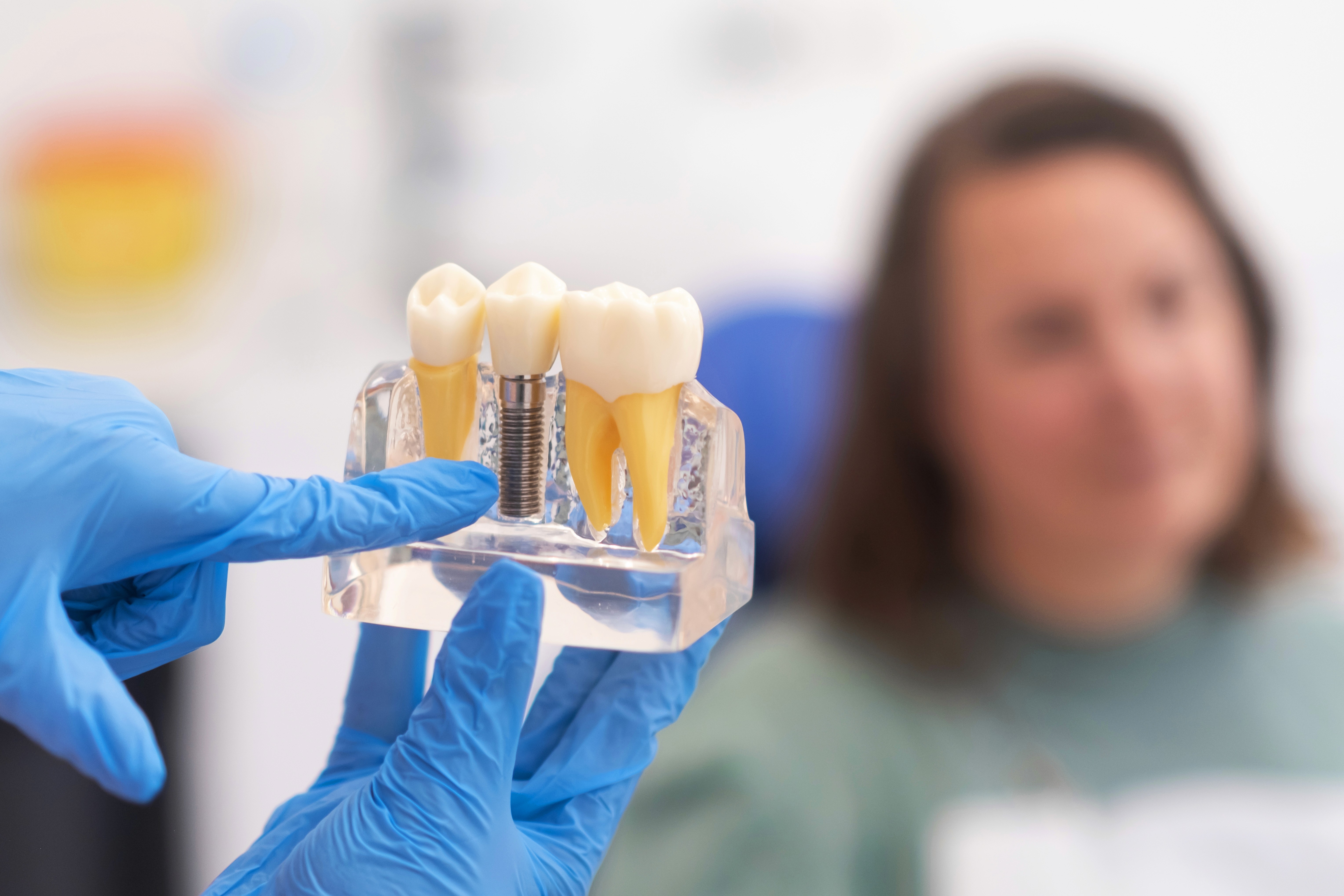
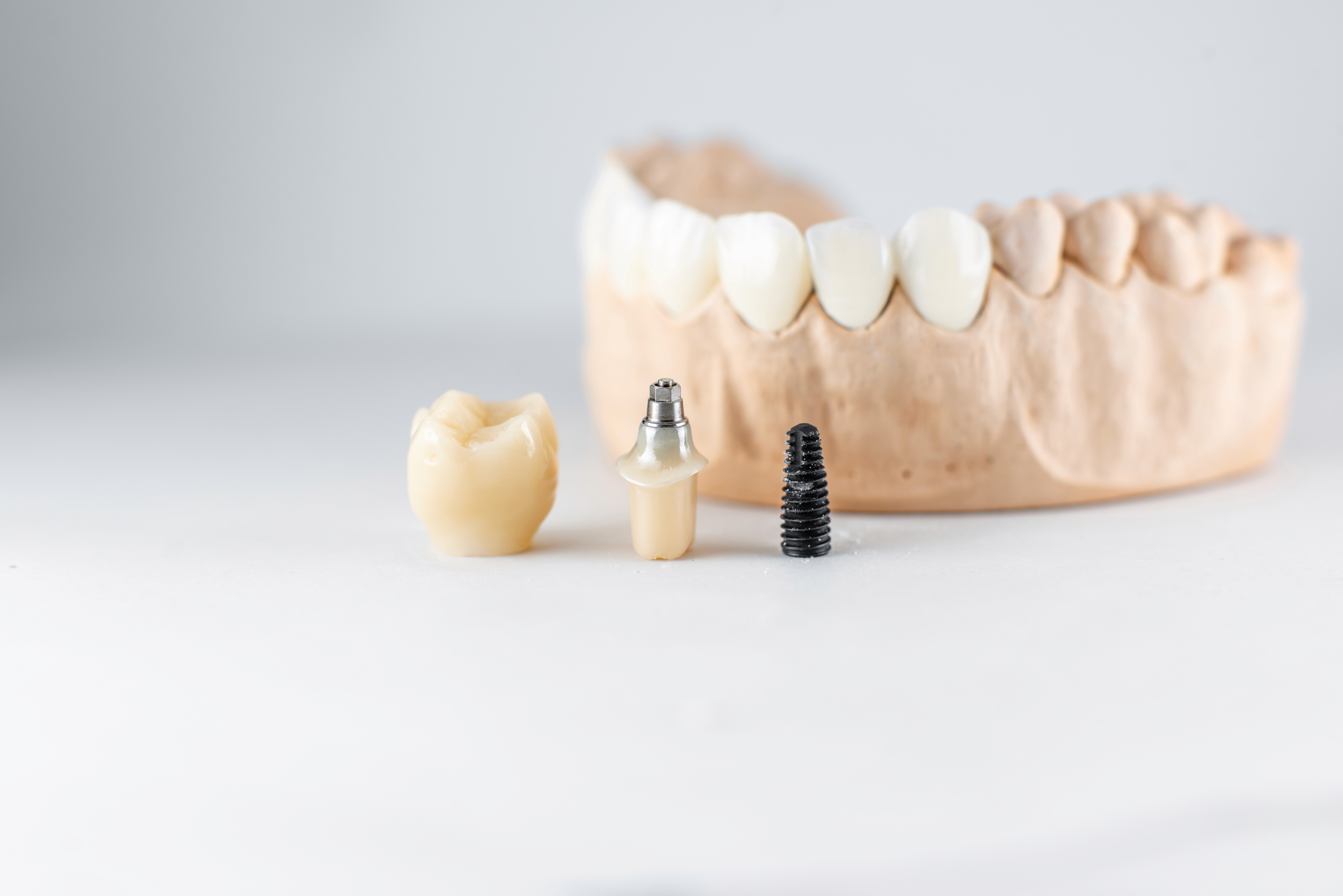
Implant-supported dentures are a modern solution that combines the benefits of traditional dentures with the stability of dental implants. These dentures are anchored to implants surgically placed in the jawbone, providing a secure fit that mimics the feel of natural teeth. The advantages include:
Increased Stability: They do not shift or slip, allowing for better chewing and speaking.
Bone Preservation: Implants stimulate the jawbone, preventing bone loss.
Enhanced Comfort: They eliminate the discomfort often associated with traditional dentures.
For examples of successful cases, visit the smile gallery to see the results of implant-supported dentures.
What Is the Step-by-Step Procedure for Getting Dentures?
The procedure for obtaining dentures involves several key steps:
Initial Consultation: A dental professional evaluates the patient's oral health and discusses options.
Denture Fabrication: Custom dentures are created based on the patient's specific measurements and preferences.
Final Delivery: The completed dentures are fitted, and any necessary adjustments are made to ensure comfort and functionality.
What Happens During the Full Denture Fitting Process?
The fitting process for full dentures includes:
Comprehensive Evaluation: A detailed assessment of the patient's mouth and jaw structure.
Denture Fabrication: Creating the dentures based on the impressions taken during the initial consultation.
Follow-Up Appointments: Regular check-ups to ensure the dentures fit properly and to make any necessary adjustments.
How Is the Implant Supported Denture Procedure Performed?
The procedure for implant-supported dentures involves:
Initial Consultation: Assessing the patient's suitability for implants.
Implant Placement: Surgical insertion of implants into the jawbone.
Final Fitting: Once the implants have integrated with the bone, the dentures are attached.
What Are the Benefits and Care Requirements of Different Denture Types?
Different types of dentures come with specific benefits and care requirements. Full dentures provide a complete restoration of function and aesthetics, while partial dentures help maintain the health of remaining natural teeth. Care for dentures includes regular cleaning, proper storage, and routine dental check-ups to ensure longevity and effectiveness.
How Much Do Dentures Cost and What Financing Options Are Available?
The cost of dentures can vary widely based on the type and complexity of the case. Financing options are often available to help manage these costs, making dental care more accessible.
Many dental practices, including Comprehensive Dental, offer financing options to help patients afford their denture procedures. These may include payment plans, insurance coverage, and other financial assistance programs designed to make dental care more accessible.
What Is the Typical Implant Dentures Cost?
Implant-supported dentures generally have a higher initial cost due to the surgical procedure involved.
Are There Financing Options for Denture Procedures?
Many dental practices, including Rana Dental, offer financing options to help patients afford their denture procedures. These may include payment plans, insurance coverage, and other financial assistance programs designed to make dental care more accessible.