Blog

Understanding Bone Grafting Techniques for Dental Implants: Comprehensive Guide to Procedures, Materials, and Recovery

Bone grafting is a crucial procedure in dental implantology, designed to restore the adequate bone structure necessary for the successful placement of dental implants. This guide provides an in-depth exploration of various bone grafting techniques, materials used, the healing process, and the overall importance of these procedures in enhancing restorative oral health. Many patients face challenges when they lack sufficient bone density to support implants, often leading to the need for effective grafting solutions. Understanding the types of bone grafting available, as well as their associated benefits, helps patients make informed decisions regarding their dental care.

This article will cover essential topics including the types of bone grafting procedures such as socket preservation, ridge augmentation, and sinus lift. We will also examine the different graft materials used, the expected recovery process, and the significance of follow-up care to ensure optimal results.

Comprehensive Guide on Bone Grafting Techniques for Dental Implants

Bone grafting techniques serve as the foundation for successful dental implants. These procedures are essential when a patient’s jawbone is inadequate to support an implant due to various factors such as periodontal disease, injury, or developmental defects. By reconstructing the bone structure, these techniques can facilitate proper placement and integration of dental implants, leading to long-term oral health.

It's important to note that the choice of graft technique can significantly affect the recovery, implant success rate, and aesthetic outcomes. Recent advancements in bone grafting procedures have made it possible to achieve better results with improved techniques, demonstrating why patients at specialized centers like Rana Dental can expect a focus on advanced bone grafting methods during their treatment.

1. Introduction to Bone Grafting

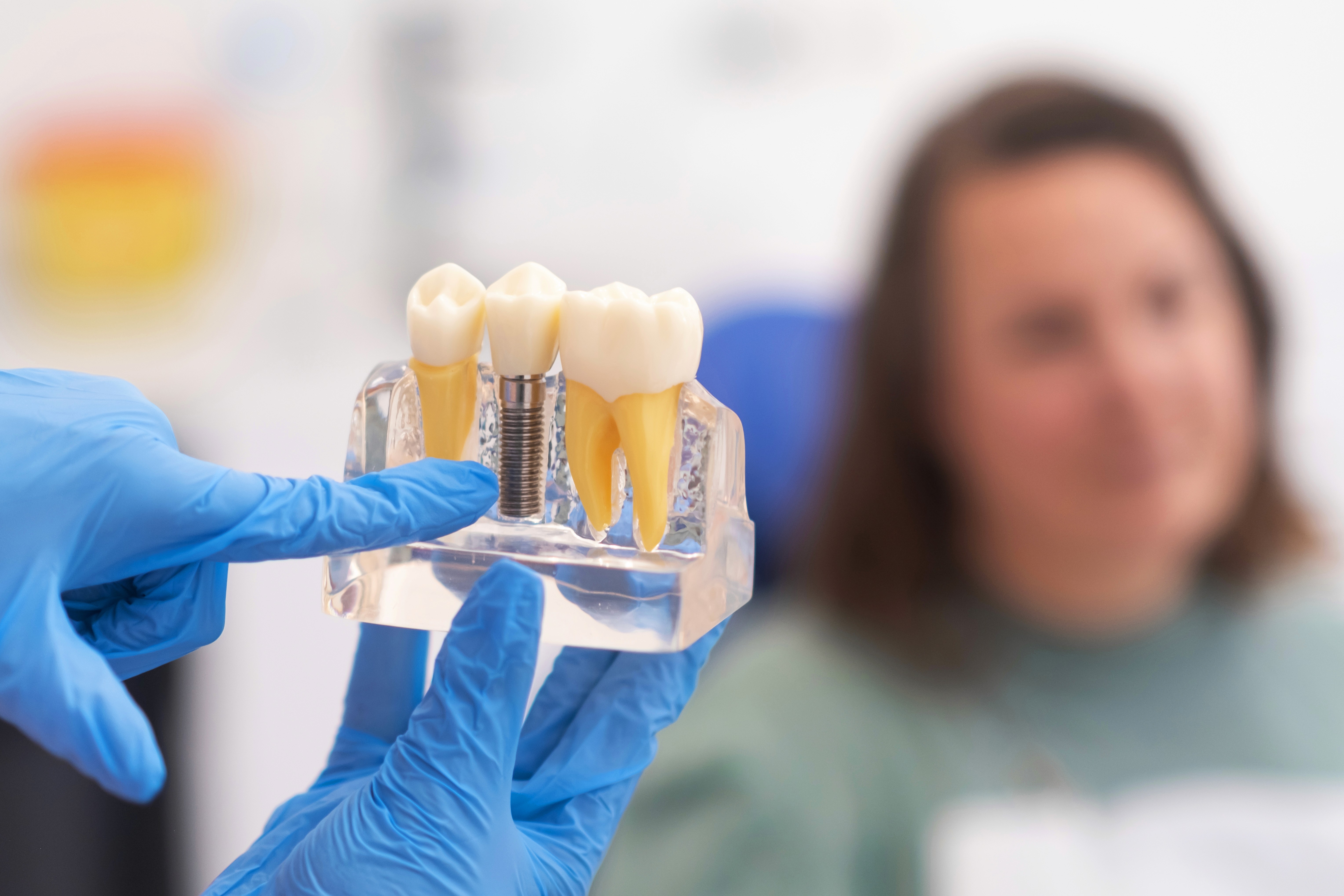
Bone grafting is the surgical procedure that involves transplanting bone tissue to augment or repair damaged bone. This is commonly required before placing dental implants, especially in cases where there is significant bone loss. The primary reason for bone grafting in dental implant procedures is to create a stable foundation, allowing for effective healing and integration of the implant.

Moreover, performing bone grafting enhances the aesthetic outcome of the dental restoration, ensuring that the final result closely resembles natural teeth. This procedure is vital for restoring function and improving the overall quality of life for patients requiring dental implants.

2. Types of Bone Grafting Procedures

Diverse bone grafting procedures aim to address specific clinical needs and anatomical challenges. Understanding these techniques is critical for both patients and dental professionals.


Procedure Type

Description

Socket Preservation

This technique helps maintain the shape of the jawbone after a tooth extraction. By placing a graft immediately following tooth removal, the risk of bone loss is minimized.

Ridge Augmentation

Used to expand a narrow ridge of bone, this procedure adds height and width to the jawbone. It is particularly valuable when there's a need for additional support for implants.

Sinus Lift

This procedure raises the sinus floor and adds bone to the upper jaw. It's essential for patients with insufficient bone height in the back of the mouth, especially when planning for maxillary implants.

Socket Preservation (Ridge Preservation)

Socket preservation involves placing a bone graft in the empty socket immediately after tooth extraction. This technique serves to stabilize the surrounding bone and prevent further resorption. It is particularly beneficial for retaining the natural contours of the jawbone, leading to better aesthetic results when implants are placed in the future. The healing process typically takes a few months, during which the graft integrates with the existing bone.

Ridge Augmentation

Ridge augmentation addresses cases of insufficient bone width or height. By carefully layering graft material onto the area needing enhancement, this method creates a robust foundation for dental implants. The procedure can be performed simultaneously with implant placement or as a separate procedure, depending on clinical circumstances. Patients often experience a healing time of around 4 to 6 months before proceeding with implants. For patients seeking advanced dental implant solutions, exploring the dental implants services can provide comprehensive options.

Sinus Lift (Sinus Augmentation)

The sinus lift procedure is essential for patients with insufficient maxillary bone height. This technique involves lifting the sinus membrane and adding bone graft material into the sinus cavity. It's crucial for achieving necessary bone volume for successful implant placement. Recovery from a sinus lift can vary, with patients generally requiring several months for proper integration.

3. Graft Materials Used

Several materials can be utilized in bone grafting procedures, each with unique properties and benefits.

  • Autograft: This method involves using bone taken from the patient's own body, typically from the chin, jaw, or hip. It offers excellent biocompatibility and immediate integration.

  • Allograft: Allografts are sourced from human cadaveric bone, processed to be sterile and safe for transplant. This method avoids the need for additional incisions in the patient.

  • Xenograft: Sourced from animal bone, usually bovine, xenografts provide a scaffold for new bone growth and are well-researched for safety and efficacy.

  • Alloplastic: Synthetic graft materials that mimic natural bone can also be used in grafting. These materials often include calcium phosphate and other biocompatible compounds.

Autograft

Autografts are considered the gold standard in bone grafting due to their superior integration potential and reduced risk of rejection. However, the need for a second surgical site is a consideration when recommending this option.

Allograft

Allografts provide a viable alternative for those who wish to avoid additional surgery. The processing ensures the graft is safe and effective, making it a popular choice for many patients.

Xenograft

Employing xenografts offers a unique advantage, as they can be used to provide volume and structural support without additional procedures. Careful selection and monitoring are essential to ensure compatibility and safety.

Alloplastic

Alloplastic materials can offer customized options for grafting since they can be engineered to match the desired property of the recipient site. These synthetic materials can serve as an effective solution for bone augmentation.

4. Recovery and Healing Timeline

Post-operative recovery from bone grafting can greatly vary depending on the individual and the type of graft used. Typically, the healing timeline can range from several weeks to months.

Following the procedure, patients are generally advised to maintain strict oral hygiene to prevent infection, which can compromise the graft's integrity. Regular follow-up appointments are critical to monitor healing progress and ensure optimal conditions for dental implant placement.

For successful integration, patients should expect a recovery period of approximately 4-6 months after the grafting procedure before their dentist can place implants.

At Rana Dental, comprehensive aftercare and follow-up are emphasized to guarantee that all patients receive the best guidance during their recovery process. Patients interested in seeing the successful outcomes of such procedures can view the smile gallery to witness transformations.

Frequently Asked Questions

What are the risks associated with bone grafting procedures?

As with any surgical procedure, bone grafting carries certain risks. Common complications may include infection, bleeding, and adverse reactions to anesthesia. There is also a chance of graft failure, where the graft does not integrate properly with existing bone. Additionally, some patients may experience discomfort during the recovery period. To mitigate these risks, it is essential to choose a qualified dental professional and follow post-operative care instructions diligently.

How long does the bone grafting process take?

The duration of the bone grafting process can vary widely depending on the specific technique used, the type of graft material, and individual patient factors. Typically, the procedure itself may last between one to three hours. However, full healing and integration can take several months, often ranging from four to six months before dental implants can be placed. Patients should consult with their dental surgeon for a detailed timeline tailored to their situation.

What is the cost of bone grafting?

The cost of bone grafting can vary significantly based on factors such as the type of graft used, the complexity of the procedure, and the location of the dental practice. On average, patients can expect to pay between $300 to $3,000 for bone grafting. Insurance coverage may vary; therefore, it is advisable for patients to confer with their insurance provider and the dental facility about potential costs and payment options to plan accordingly.

Can bone grafting be done simultaneously with dental implant placement?

Yes, in some cases, bone grafting can be performed simultaneously with the placement of dental implants. This approach is typically considered when there is sufficient existing bone for immediate stabilization or when techniques like ridge augmentation are applied. However, the decision largely depends on the patient's individual circumstances and the dentist's assessment. A thorough evaluation during the consultation process will inform the best approach for optimal results.

How can I prepare for a bone grafting procedure?

Preparation for a bone grafting procedure typically involves several steps to ensure safety and success. Patients should undergo evaluations including dental X-rays or CT scans to assess bone structure. Avoiding blood thinners, smoking, and alcohol in the days leading up to the procedure can also enhance recovery prospects. Consulting with the dental care team about any medications and personal health conditions will further help tailor pre-operative instructions to optimize outcomes.

What can I expect during the recovery period after bone grafting?

During the recovery period following bone grafting, patients may experience swelling, bruising, and discomfort in the graft area. These symptoms are typically manageable with prescribed pain relief and ice packs. Adhering to strict oral hygiene practices and attending follow-up appointments are crucial for monitoring healing. Most patients are advised to avoid strenuous activities for at least a couple of weeks post-surgery, allowing the graft to properly integrate with the existing bone.

The various bone grafting techniques play an indispensable role in preparing patients for successful dental implant procedures. Understanding these methods and their benefits allows patients to make informed decisions about their dental health. Rana Dental specializes in advanced bone grafting techniques, which significantly enhance the success rates of dental implants and overall restoration of oral health.

With a commitment to providing patients with high-quality care, Rana Dental remains a leading choice for individuals seeking restorative solutions, combining expertise in bone grafting with advanced dental technologies. For those considering their options or seeking more information about the clinic's services, contacting them directly is recommended through their contact us page.

Prospective patients can also gain confidence by reading patient reviews and understanding the clinic's commitment to patient satisfaction.

Furthermore, utilizing state-of-the-art technology, such as an in-house laboratory as detailed on the in-house lab page, ensures quality and efficiency in restorative work.

Your Smile Journey Begins In One Click

Our Lincoln Park, NJ Dental Office

Conveniently located on Route 46 in Lincoln Park, The Implant Center is accessible to patients throughout Northern New Jersey and beyond. Our modern, comfortable office is designed to make your dental visits as pleasant and efficient as possible. Free parking available.

Hours

Monday - Thursday
Friday
Saturday - Sunday

10:00AM - 6:00PM
9:00AM - 2:00PM
Closed

Comprehensive Dental of Lincoln Park | All Rights Reserved.

Your Smile Journey Begins In One Click

Our Lincoln Park, NJ Dental Office

Conveniently located on Route 46 in Lincoln Park, The Implant Center is accessible to patients throughout Northern New Jersey and beyond. Our modern, comfortable office is designed to make your dental visits as pleasant and efficient as possible. Free parking available.

Hours

Monday - Thursday
Friday
Saturday - Sunday

10:00AM - 6:00PM
9:00AM - 2:00PM
Closed

Comprehensive Dental of Lincoln Park | All Rights Reserved.

<script type="application/ld+json">{"@context":"https://schema.org","@graph":[{"@type":"Article","headline":"Understanding Bone Grafting Techniques for Dental Implants","description":"In-depth guide to bone grafting techniques, materials, healing timelines, and costs for dental implants at Rana Dental in Lincoln Park, NJ.","url":"https://www.ranadental.com/blog/understanding-bone-grafting-techniques-for-dental-implants-comprehensive-guide-to-procedures-materials-and-recovery","author":{"@type":"Organization","name":"Rana Dental"},"publisher":{"@type":"Organization","name":"Rana Dental","address":{"@type":"PostalAddress","streetAddress":"166 Main St 2nd Floor","addressLocality":"Lincoln Park","addressRegion":"NJ","postalCode":"07035"}},"datePublished":"2026-06-08"},{"@type":"FAQPage","mainEntity":[{"@type":"Question","name":"What bone grafting materials are used for dental implants?","acceptedAnswer":{"@type":"Answer","text":"Common materials include autografts (patient's own bone), allografts (donor bone), xenografts (bovine bone), and synthetic bone substitutes, each with different benefits and integration rates."}},{"@type":"Question","name":"What is socket preservation grafting?","acceptedAnswer":{"@type":"Answer","text":"Socket preservation grafting fills the empty socket immediately after tooth extraction to prevent bone resorption and maintain the volume needed for future implant placement."}},{"@type":"Question","name":"How much does bone grafting for implants cost?","acceptedAnswer":{"@type":"Answer","text":"Bone graft costs vary based on the extent of the procedure and material used. Simple socket grafts may range from $300-$800, while sinus lifts and ridge augmentation can be $1,500-$3,000 or more."}},{"@type":"Question","name":"What is a sinus lift procedure?","acceptedAnswer":{"@type":"Answer","text":"A sinus lift raises the sinus membrane and adds bone to the upper jaw to create enough height for dental implants in the posterior upper arch."}}]},{"@type":"BreadcrumbList","itemListElement":[{"@type":"ListItem","position":1,"name":"Home","item":"https://www.ranadental.com"},{"@type":"ListItem","position":2,"name":"Blog","item":"https://www.ranadental.com/blog"},{"@type":"ListItem","position":3,"name":"Bone Grafting Techniques for Implants","item":"https://www.ranadental.com/blog/understanding-bone-grafting-techniques-for-dental-implants-comprehensive-guide-to-procedures-materials-and-recovery"}]}]}</script>