Blog
Unlocking the Benefits of All on Four Dental Implants: Comprehensive Guide to Procedure, Cost, and Recovery


All on Four dental implants represent a revolutionary solution for individuals seeking a permanent and effective way to restore their smiles. This innovative procedure allows patients to replace an entire arch of teeth using just four strategically placed implants, providing a stable foundation for a full set of prosthetic teeth. In this comprehensive guide, we will explore the All on Four technique, its benefits, costs, recovery process, and who is an ideal candidate for this transformative dental solution. Many individuals struggle with the challenges of missing teeth, which can affect their confidence and quality of life. All on Four implants offer a reliable solution that not only restores functionality but also enhances aesthetics. This article will cover the procedure, the advantages of All on Four implants, the associated costs, and the recovery timeline, ensuring you have all the information needed to make an informed decision.
Comprehensive Guide to All-on-4 Dental Implants
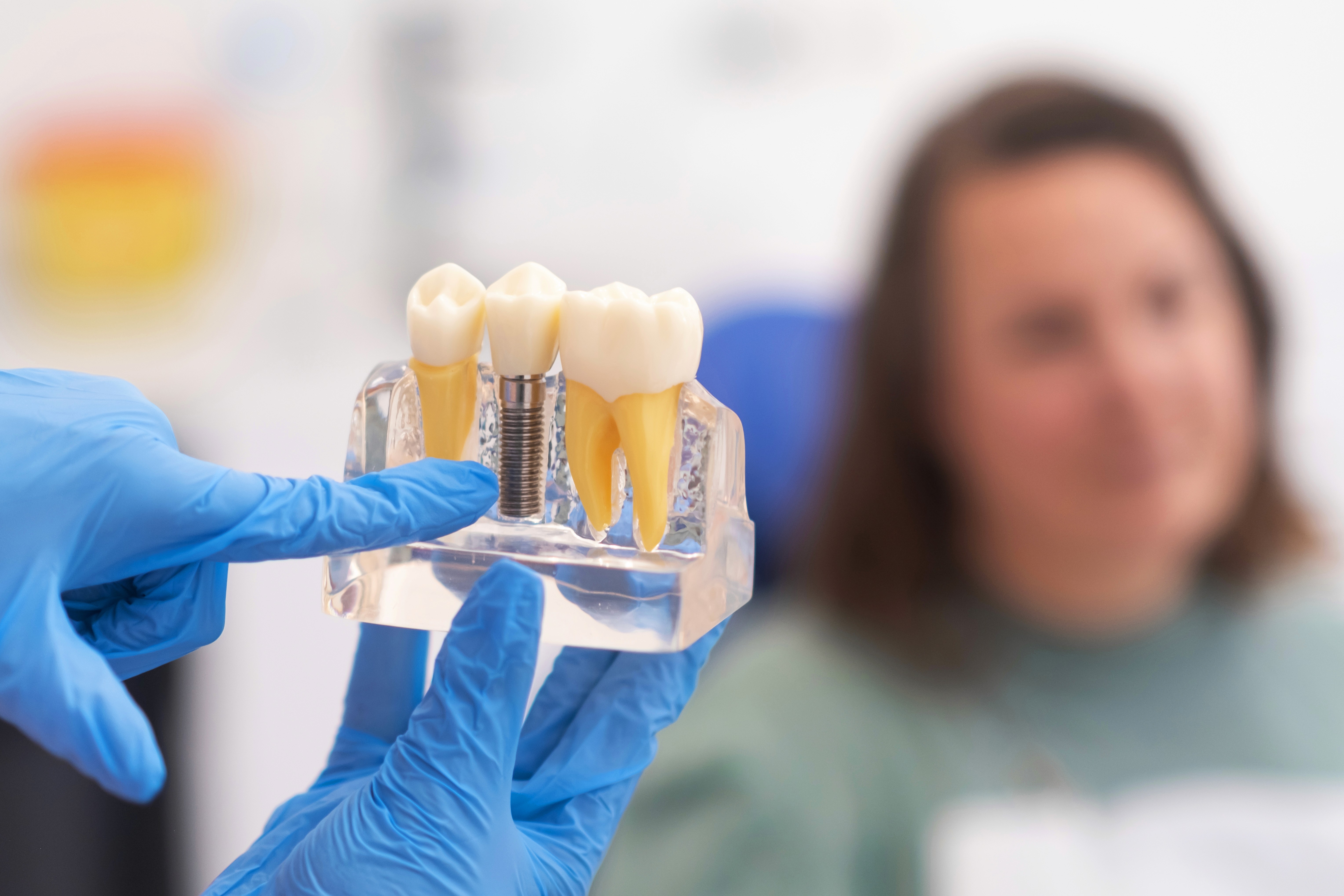
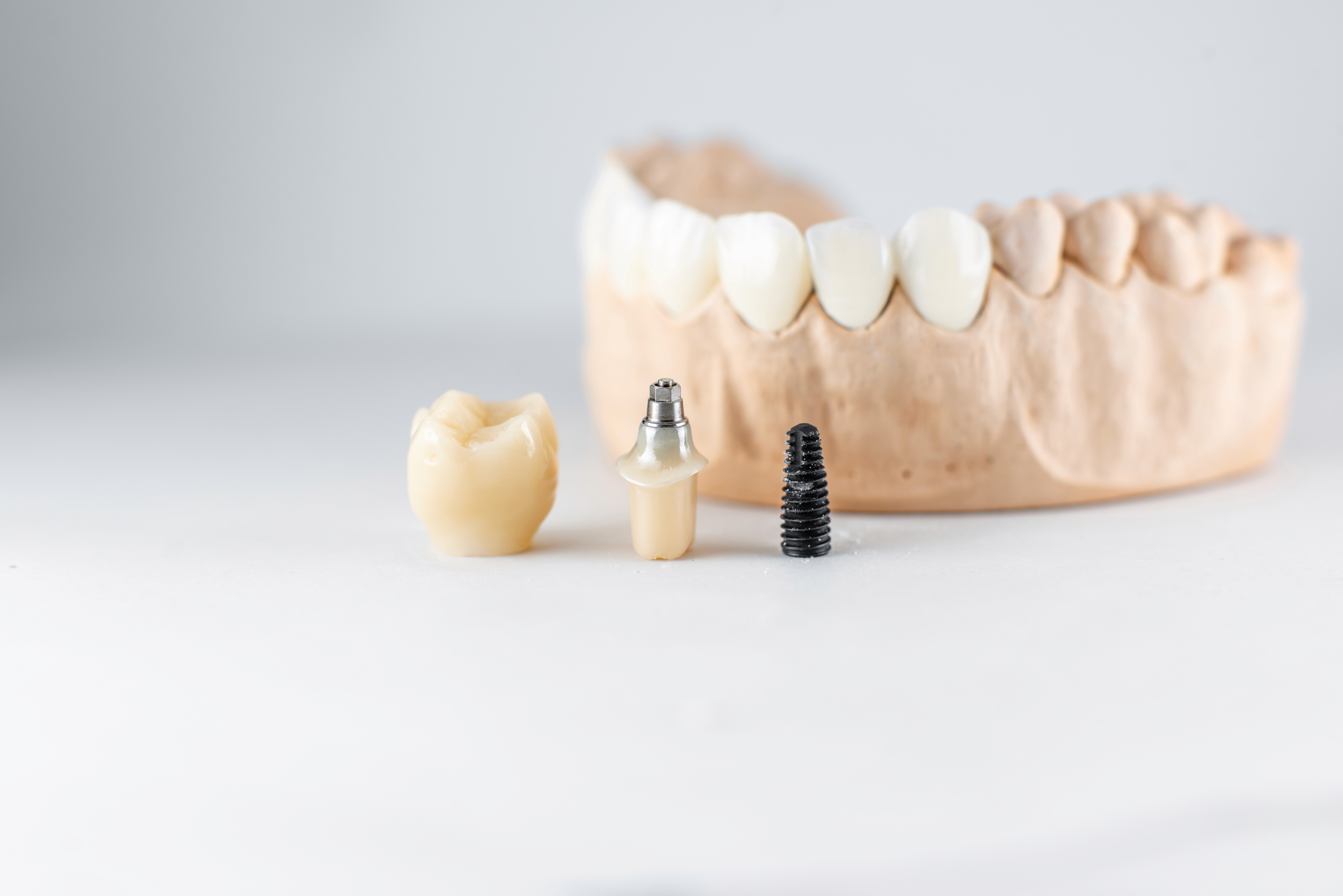
The All-on-4 dental implant technique is a modern approach to full-arch restoration that provides patients with a complete set of teeth using only four implants. This method is particularly beneficial for those who have lost most or all of their teeth and are looking for a permanent solution. The All-on-4 procedure involves placing two implants vertically in the front of the jaw and two at an angle in the back, maximizing the use of available bone and providing stability for the prosthetic teeth.
What is All-on-4?
All-on-4 is a dental implant technique designed to support a full arch of prosthetic teeth using just four implants. This method is advantageous for patients with significant tooth loss or those who may not have enough bone density for traditional implants. The implants are strategically placed to provide maximum support and stability, allowing for immediate loading of the prosthetic teeth. This means that patients can leave the dental office with a new set of teeth on the same day as their surgery, significantly improving their quality of life.
The Procedure
The All-on-4 procedure typically begins with a comprehensive consultation, where the dentist evaluates the patient's oral health and discusses their goals. On the day of the surgery, the patient is given anesthesia for comfort. The dentist then places the four implants into the jawbone, followed by the attachment of a temporary prosthesis. This allows patients to have functional teeth while the implants heal. The healing period usually lasts a few months, after which a permanent prosthesis is fitted.
Benefits of All-on-4
The All-on-4 dental implant technique offers numerous advantages, including:
Immediate Results: Patients can receive a full set of teeth on the same day as their surgery, enhancing their confidence and ability to eat.
No Bone Grafting Needed: The angled placement of the implants often eliminates the need for bone grafting, making the procedure less invasive and more accessible.
Stability and Comfort: The implants provide a secure foundation for the prosthetic teeth, allowing for improved chewing and speaking compared to traditional dentures.
For those considering All-on-4 implants, Rana Dental specializes in advanced implant solutions, ensuring a personalized approach to each patient's needs.
Recovery Process
Recovery from the All-on-4 procedure typically involves a few key steps. Patients may experience some swelling and discomfort in the days following surgery, which can be managed with prescribed pain medication. Follow-up appointments are essential to monitor healing and ensure the implants are integrating properly with the jawbone. Most patients can return to normal activities within a week, but full healing may take several months.
Who is a Candidate?
Ideal candidates for All-on-4 implants are individuals who have lost most or all of their teeth and are in good overall health. Factors such as bone density, oral hygiene, and medical history are considered during the evaluation process. Patients who smoke or have certain medical conditions may need to address these issues before proceeding with the surgery. Consulting with a dental professional is crucial to determine candidacy.
What Are All on Four Dental Implants and How Do They Work?
All on Four dental implants are a type of dental implant designed to support a full arch of prosthetic teeth. The implants are placed in the jawbone, where they fuse with the bone over time, providing a stable foundation for the prosthetic teeth. This technique is particularly beneficial for patients who have experienced significant tooth loss and may not have enough bone density for traditional implants. The All-on-4 method allows for immediate loading of the prosthesis, meaning patients can enjoy a functional set of teeth right after the procedure.
Understanding the Dental Implant Procedure for Full Mouth Restoration
The All-on-4 procedure for full mouth restoration involves several steps, starting with a thorough evaluation of the patient's dental health. After determining candidacy, the dentist will create a treatment plan tailored to the patient's needs. The surgical process includes the placement of the implants, followed by the attachment of a temporary prosthesis. This approach not only restores functionality but also enhances the patient's smile and confidence.
How Implant Supported Dentures Provide Stability and Comfort
Implant-supported dentures, such as those provided by the All-on-4 technique, offer significant advantages over traditional dentures. These implants provide a secure fit, preventing the movement and discomfort often associated with removable dentures. Patients can enjoy their favorite foods without fear of their dentures slipping, leading to a more enjoyable dining experience. Additionally, the stability provided by implants helps preserve the jawbone, preventing the bone loss that can occur with traditional dentures.
What Are the Key Benefits of Choosing All on Four Dental Implants?
Choosing All-on-4 dental implants comes with several key benefits:
Enhanced Aesthetics: The prosthetic teeth are designed to look and feel like natural teeth, improving the patient's smile.
Improved Functionality: Patients can eat a wider variety of foods without restrictions, enhancing their overall quality of life.
Long-term Cost-effectiveness: While the initial investment may be higher, the durability and longevity of implants can lead to lower costs over time compared to traditional dentures.
Who Is a Suitable Candidate for All on Four Dental Implants?
Suitable candidates for All-on-4 implants include individuals who have lost most or all of their teeth and are looking for a permanent solution. Factors such as overall health, bone density, and oral hygiene play a crucial role in determining candidacy. Patients with certain medical conditions or those who smoke may need to address these issues before undergoing the procedure. A thorough consultation with a dental professional is essential to assess suitability.
How Much Do All on Four Dental Implants Cost and What Financing Options Are Available?
The cost of All-on-4 dental implants typically ranges from $20,000 to $25,000 per arch in New Jersey. Financing options are available to help patients manage these costs, including CareCredit and in-house payment plans offered by dental practices like Rana Dental. Understanding the financial aspects of the procedure is crucial for prospective patients, as it allows them to make informed decisions about their dental care.
What Is the Recovery Time and Aftercare for All on Four Dental Implants?
Recovery from the All-on-4 procedure generally involves a few key steps. Patients may experience some swelling and discomfort in the days following surgery, which can be managed with prescribed pain medication. Follow-up appointments are essential to monitor healing and ensure the implants are integrating properly with the jawbone. Most patients can return to normal activities within a week, but full healing may take several months. Proper aftercare, including maintaining good oral hygiene and attending follow-up visits, is crucial for the success of the implants.
What Do Real Patients Say About Their All on Four Implant Experience?
Patient testimonials highlight the transformative impact of All-on-4 implants on their lives. Many report significant improvements in their ability to eat, speak, and smile confidently. The immediate results and the stability provided by the implants are frequently praised, with patients expressing satisfaction with both the procedure and the final outcomes. These positive experiences underscore the effectiveness of All-on-4 implants as a solution for those seeking to restore their smiles and improve their quality of life. For more patient stories, visit the patient reviews section.
Additionally, the smile gallery showcases before and after photos of patients who have undergone the All-on-4 procedure, providing visual evidence of the remarkable transformations possible with this dental solution.
Frequently Asked Questions
What is the lifespan of All-on-4 dental implants?
All-on-4 dental implants are designed to be a long-term solution, with a lifespan that can exceed 10 to 15 years or more with proper care. Factors such as oral hygiene, regular dental check-ups, and lifestyle choices like smoking can influence their longevity. Patients who maintain good oral health and follow their dentist's recommendations are likely to enjoy their implants for many years, making them a cost-effective option in the long run.
Are there any dietary restrictions after getting All-on-4 implants?
After receiving All-on-4 implants, patients are generally advised to follow a soft food diet for the initial healing period, which typically lasts a few weeks. This helps to minimize discomfort and allows the implants to integrate properly with the jawbone. Once healing is complete, most patients can return to a normal diet, enjoying a wide variety of foods without restrictions. However, it's essential to avoid hard or sticky foods that could damage the prosthetic teeth.
How do All-on-4 implants compare to traditional dentures?
All-on-4 implants offer several advantages over traditional dentures, including improved stability, comfort, and functionality. Unlike dentures, which can slip and require adhesives, All-on-4 implants are securely anchored in the jawbone, providing a more natural feel and allowing patients to eat a wider range of foods. Additionally, implants help preserve jawbone health, preventing the bone loss often associated with wearing dentures. This makes All-on-4 a more effective long-term solution for tooth loss.
What should I expect during the healing process?
The healing process after the All-on-4 procedure typically involves some swelling and discomfort, which can be managed with prescribed pain medication. Patients are encouraged to follow up with their dentist for regular check-ups to monitor the integration of the implants with the jawbone. Most individuals can return to normal activities within a week, but full healing may take several months. Adhering to aftercare instructions is crucial for the success of the implants.
Can I get All-on-4 implants if I have existing dental issues?
Individuals with existing dental issues, such as gum disease or tooth decay, may need to address these problems before being considered for All-on-4 implants. A thorough evaluation by a dental professional is essential to determine candidacy. In some cases, treatments to improve oral health may be necessary prior to the implant procedure. Consulting with a dentist will help clarify the best course of action based on individual circumstances.
What are the potential risks or complications associated with All-on-4 implants?
As with any surgical procedure, there are potential risks and complications associated with All-on-4 implants, including infection, implant failure, and nerve damage. However, these risks are relatively low when the procedure is performed by an experienced dental professional. Patients can minimize risks by following pre- and post-operative care instructions and attending all follow-up appointments. Discussing concerns with the dentist can also help ensure a successful outcome.