
Who Is a Candidate for All-on-X Dental Implants?
All-on-X dental implants are designed for people who need to replace a full upper arch, lower arch, or both arches of teeth. Candidacy is not decided from a single photograph, age, or online quiz. It is determined through a clinical examination, imaging, medical review, and a discussion of goals. Dr. Samir Rana is an official All-on-X provider and approaches candidacy as a health and planning question, not a one-size-fits-all sales decision. The central question is whether implants and a fixed full-arch bridge can be placed and maintained safely and predictably for that individual.
Missing Teeth and Failing Dentition
Many All-on-X candidates are already missing most of their teeth or are struggling with a failing dentition. A failing dentition can include widespread decay, repeated breakage, loose teeth, extensive older dental work, painful teeth, or advanced periodontal disease. In some situations, restoring one tooth at a time may no longer be the most predictable or affordable long-term path. In other situations, natural teeth can still be preserved. The purpose of a thorough evaluation is to identify which teeth are healthy enough to keep and whether a full-arch solution truly addresses the patient’s needs. Treatment should be based on diagnosis and long-term prognosis, not simply frustration with current teeth.
Bone Volume and Bone Quality
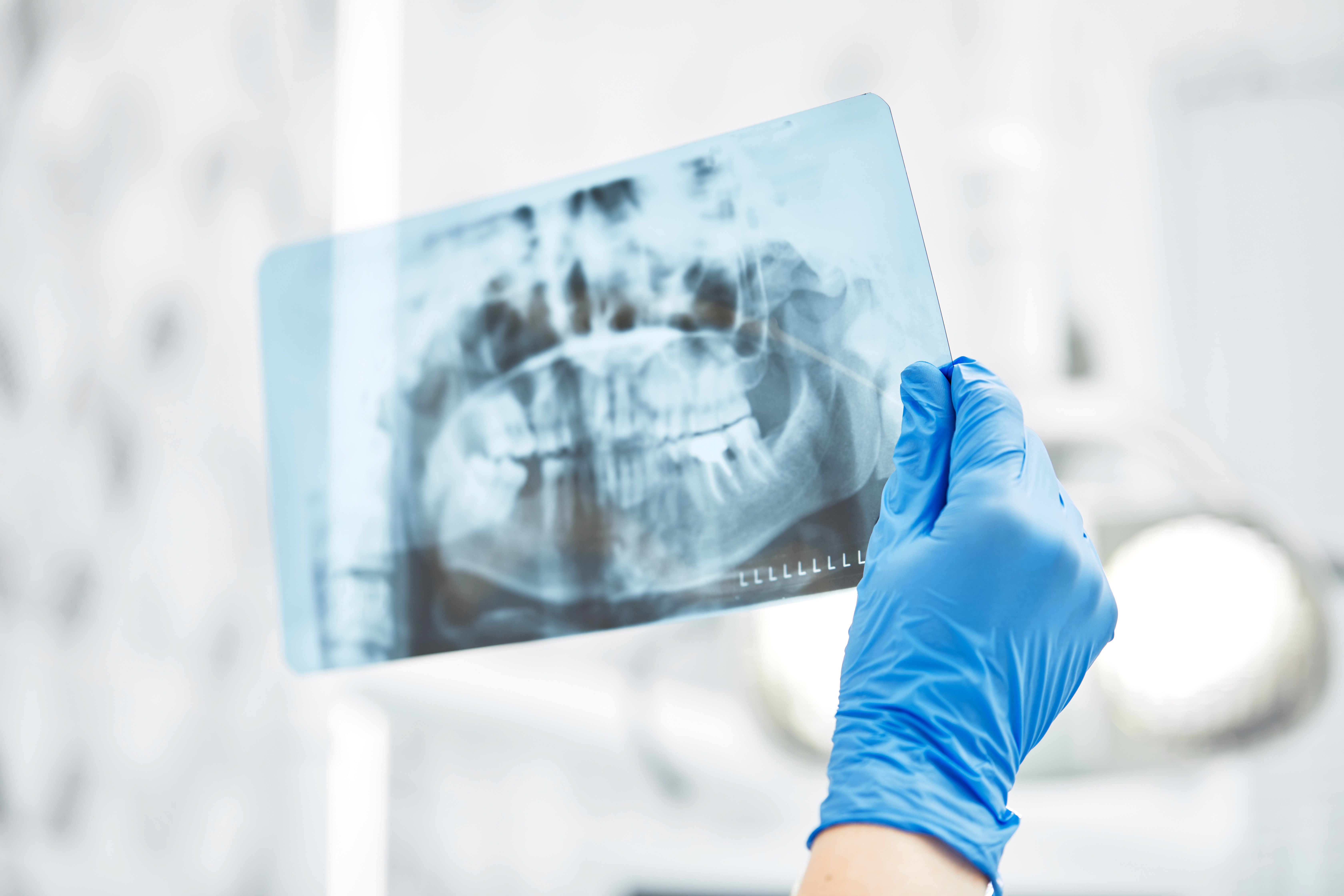
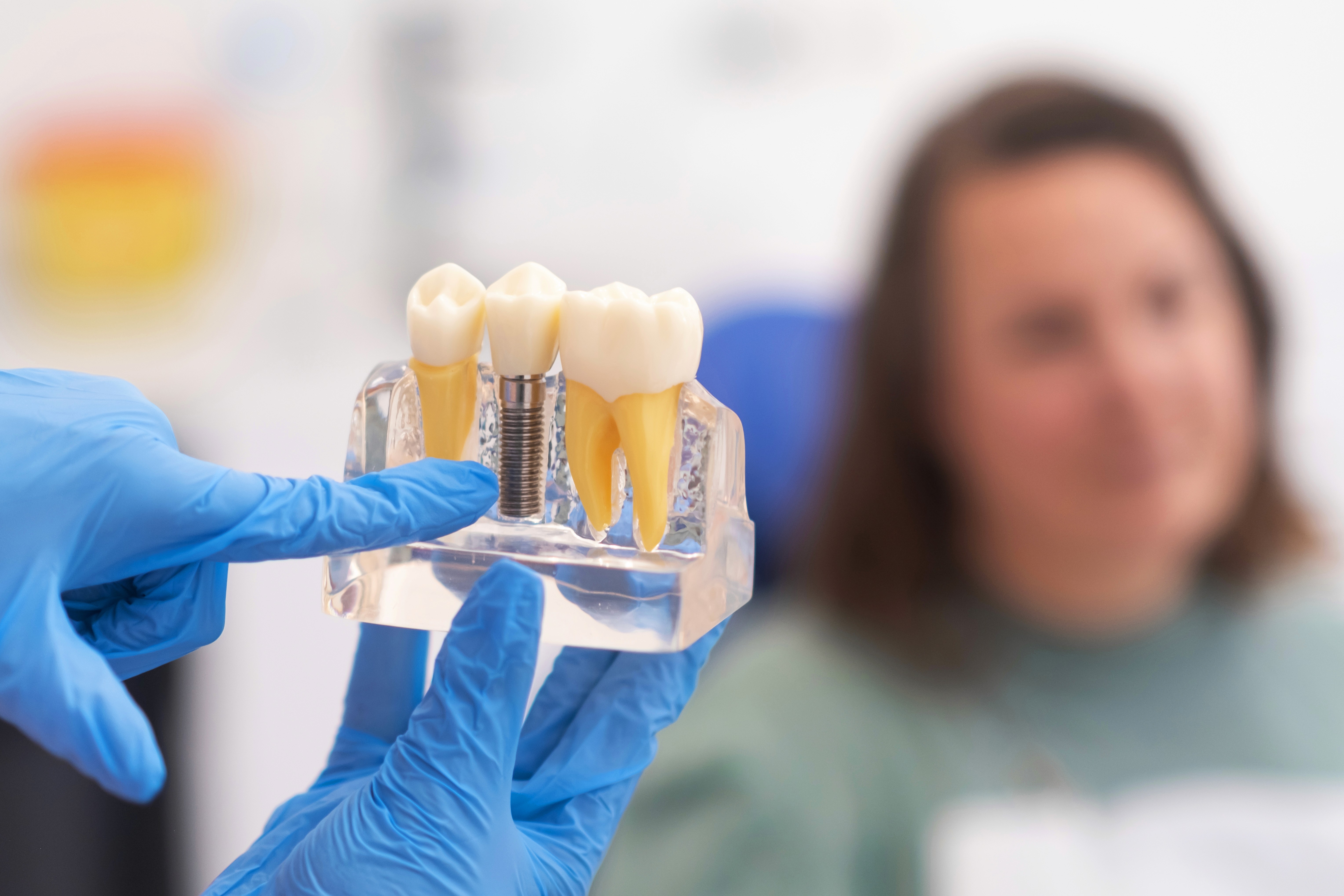
Dental implants need a stable relationship with the jawbone. Modern three-dimensional imaging helps the clinician assess the amount and shape of available bone, the location of sinuses and nerves, and possible implant positions. Bone loss does not automatically rule out All-on-X treatment. Strategic implant placement, including angled implants in appropriate cases, may help use available bone. Some people need grafting or a staged approach, while others can proceed without grafting. Only a diagnostic review can determine this. Good bone is helpful, but bone findings must be interpreted with the bite, gum tissues, restoration design, and overall health.
Gum Health and Infection Control
Healthy surrounding tissues are essential for any implant restoration. Active gum infection, untreated periodontal disease, poor hygiene, and uncontrolled inflammation can increase risk. That does not mean someone with gum disease cannot become a candidate. It means disease control, cleaning instruction, and sometimes extractions or periodontal therapy may need to happen first. A full-arch bridge requires daily access for cleaning around the restoration and beneath it. Patients should be willing to learn the recommended routine and return for professional evaluations. A treatment plan that ignores infection control or maintenance habits is not truly patient-centered.
Medical History and Lifestyle Factors
A complete medical history is part of safe implant planning. Conditions such as diabetes, cardiovascular disease, immune disorders, osteoporosis, sleep apnea, or bleeding concerns can influence the approach, but they do not automatically disqualify a patient. Medications and the patient’s current level of disease control matter. Tobacco and nicotine use can affect healing and long-term implant health, so candid conversations about cessation are important. Heavy clenching or grinding may require protection and a reinforcement strategy. The dental team may communicate with a physician when appropriate. The goal is not to exclude people unnecessarily; it is to plan responsibly around real risks.
The Importance of Bite and Jaw Relationships
Full-arch rehabilitation is also a bite reconstruction. The relationship between the upper and lower jaws, facial support, tooth display, speech, and chewing pattern all influence the final design. A bridge must be shaped and positioned to provide function without overloading the implants or opposing teeth. Patients who grind their teeth, have an uneven bite, or have limited restorative space may need additional planning. Digital records and temporary prototypes can help test the intended position of the teeth. Good candidacy includes having a realistic pathway to a stable bite, not only having enough bone for implant placement.
Commitment to Home Care and Follow-Up
All-on-X restorations cannot be ignored after placement. Patients should expect to clean the bridge carefully every day using the tools recommended by their clinician. This may include a soft brush, water flosser, interdental aids, and special attention to the tissue-facing side of the restoration. Professional hygiene visits allow the team to examine the tissues, bite, screws, materials, and implant health. Patients who can attend follow-up visits and communicate early about discomfort, looseness, or bite changes are better positioned for long-term success. The treatment is a partnership between the clinical team and the patient.
When All-on-X May Not Be the Best First Option
All-on-X is not automatically the right solution when natural teeth have a favorable prognosis, when medical risks are uncontrolled, when active infection has not been addressed, or when a patient cannot commit to hygiene and follow-up. Some people may be better served by restoring select teeth, using a removable implant-supported overdenture, completing periodontal treatment first, or staging care over time. A responsible recommendation should make alternatives understandable, including their benefits and trade-offs. Choosing a treatment plan is easier when the patient knows why a particular option is recommended and what would need to change if another option is selected.
What Dr. Rana Evaluates
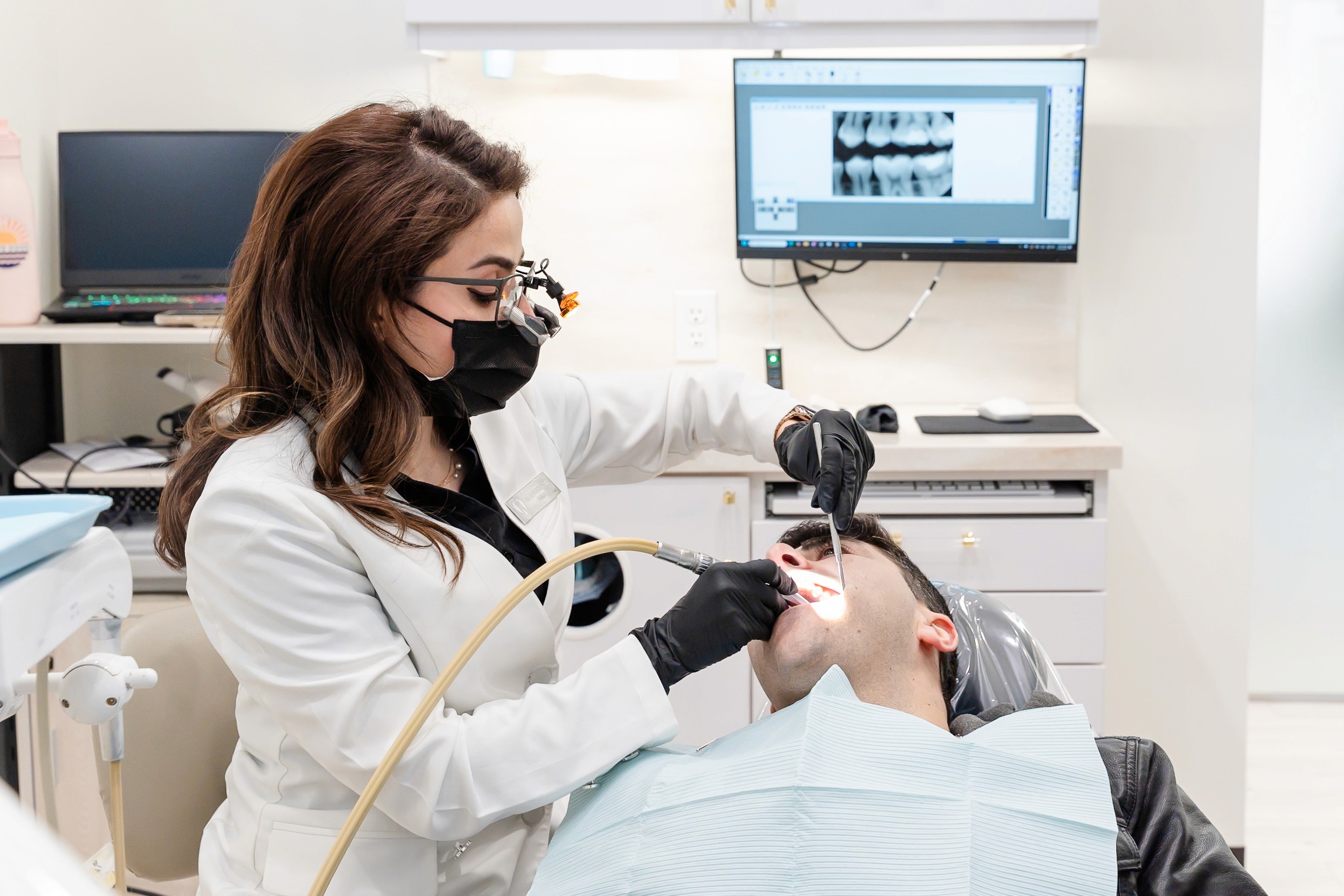
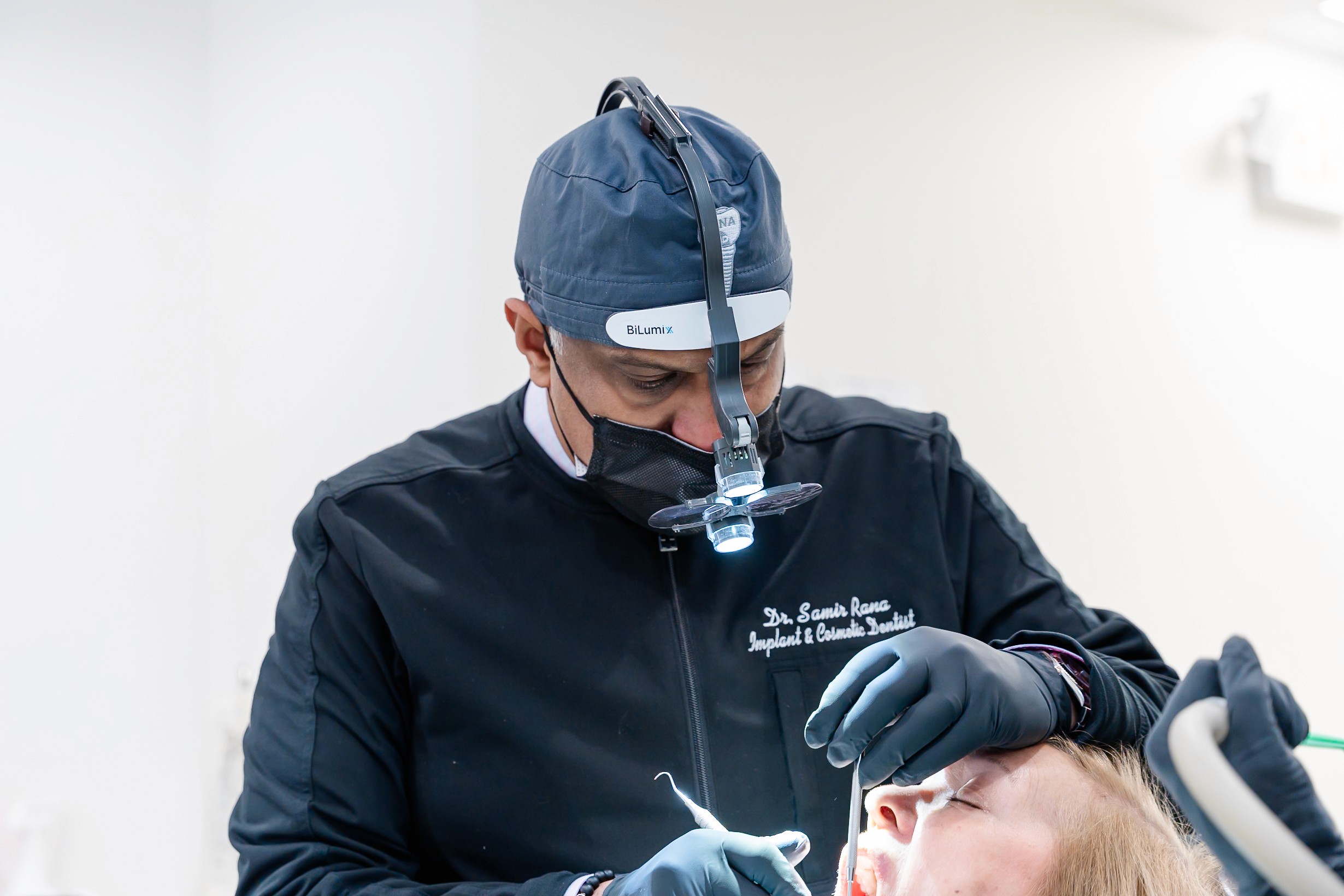
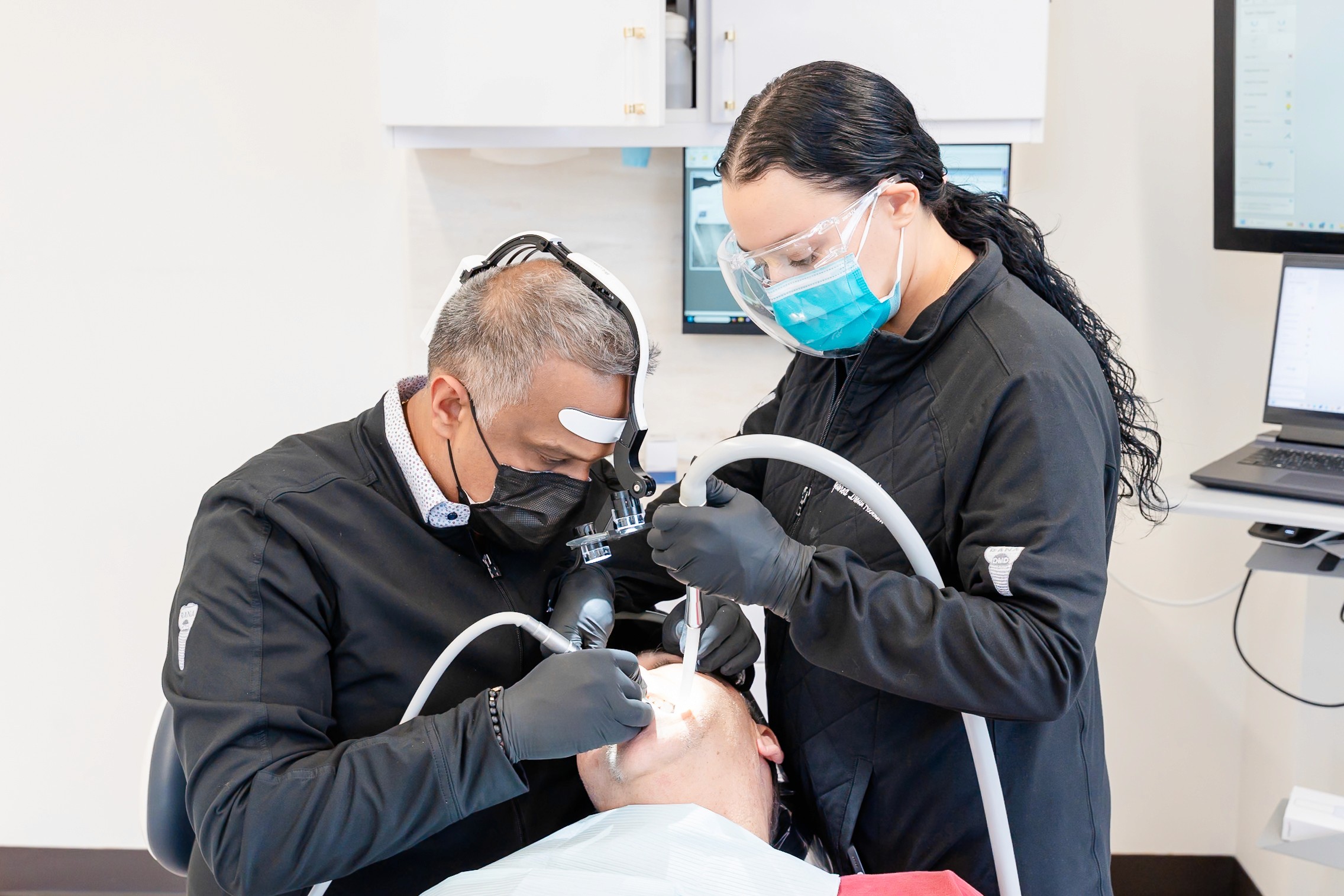
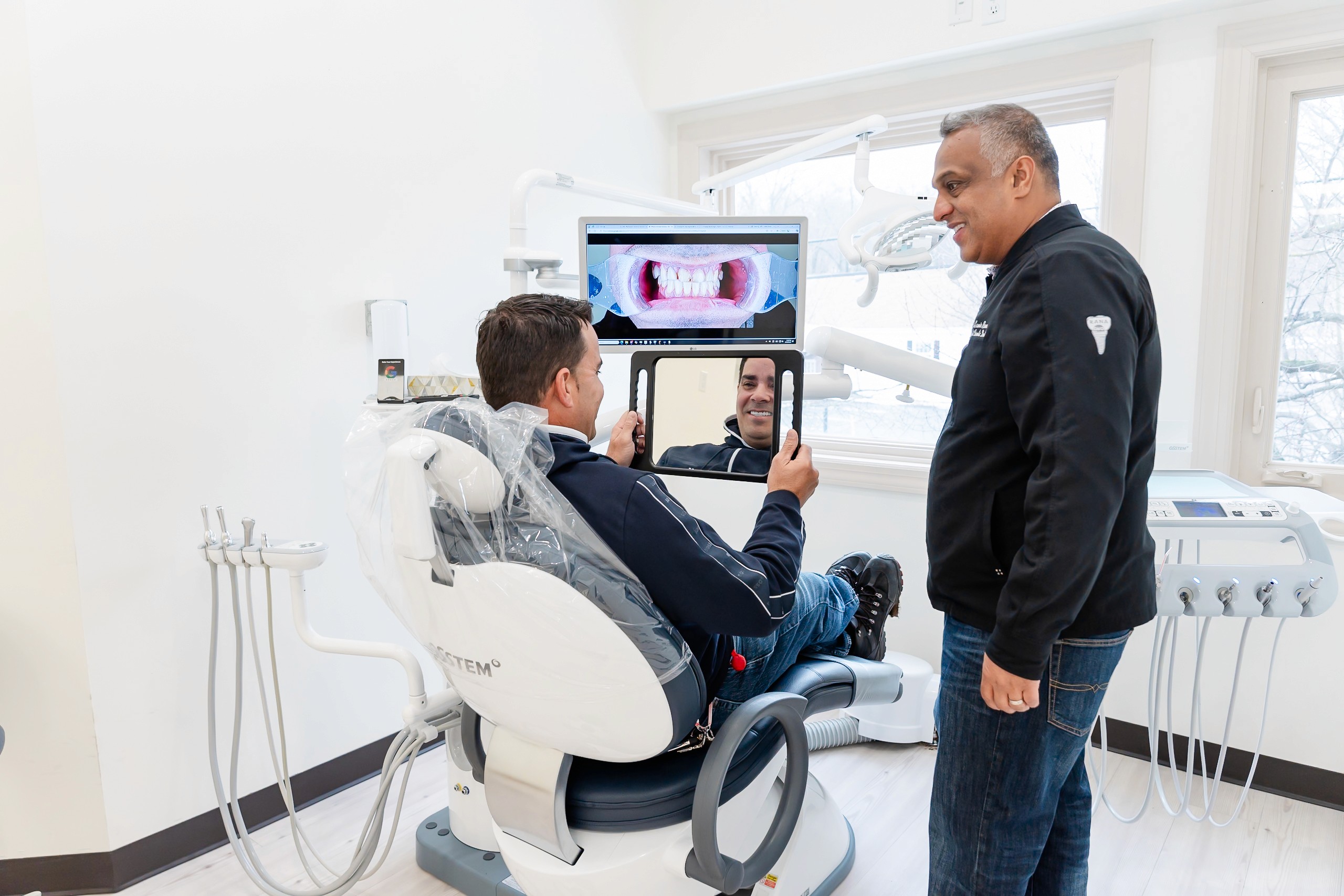
During an All-on-X consultation, Dr. Rana can review the condition of your teeth, gums, jawbone, bite, medical history, goals, and concerns. Digital imaging and clinical records support a more precise conversation about implant positions and restoration options. You can ask about temporary teeth, sedation, healing, long-term maintenance, and expected costs. No reputable provider can promise that every patient is a candidate before evaluating the mouth. The value of the consultation is a clear, individualized answer: whether All-on-X is appropriate now, whether preparatory care is needed, or whether another option better protects your health and investment.
Schedule a Candidacy Evaluation
People searching for All-on-X candidacy in Lincoln Park, NJ deserve information that is direct and specific. Dr. Samir Rana, an official All-on-X provider, can help you understand your options without relying on generic assumptions. Bring your questions, health information, and goals to the consultation. The conversation can cover the possibility of full-arch implants, the condition of your existing teeth, treatment alternatives, the sequence of care, and the daily care required after placement. This article is educational and cannot determine candidacy on its own; a clinical examination is necessary for personalized advice.