Blog

Understanding Bone Grafting for Missing Teeth

Bone grafting is a surgical procedure designed to replace missing bone in the jaw, often necessitated by tooth loss due to trauma, periodontal disease, or congenital defects. By enhancing the volume and density of the jawbone, bone grafting also prepares the site for dental implants, which are crucial for restoring oral function and aesthetics. Patients seeking such procedures need to understand the types, benefits, and the postoperative healing process of bone grafting, as well as the potential risks involved. This article will demystify bone grafting for missing teeth by discussing various procedures, the essential healing process, patient outcomes, and unique insights into dental implants. Topics will include understanding the different types of bone grafts, their significance in implant stability, the step-by-step procedure, and the costs associated with treatment.

Types of Bone Grafting Procedures

Bone grafting procedures can vary depending on the individual needs of the patient and the condition of the jawbone. Each type serves a specific purpose and is used in particular situations. The primary types include:

  1. Socket Preservation: This technique is employed immediately after tooth extraction to prevent bone loss in the empty socket.

  2. Ridge Augmentation: Used to increase the width or height of the jawbone, this procedure is aimed at creating a suitable environment for dental implants.

  3. Sinus Lift: This surgical intervention raises the sinus floor and adds bone to the upper jaw to ensure enough structural support for implants.

Benefits of Different Bone Grafting Types

The benefits of these procedures extend beyond simple reconstruction. For instance:

  • Socket Preservation helps maintain natural aesthetics and reduces the need for further grafting procedures.

  • Ridge Augmentation is pivotal in cases where significant bone loss has occurred, enabling a successful implant placement.

  • Sinus Lifts address challenges in the maxillary area, which may be critical for patients needing implants in that location.


Procedure Type

Benefits

Common Use Cases

Socket Preservation

Maintains tooth alignment

Following immediate tooth extraction

Ridge Augmentation

Increases bone volume

Significant bone loss prior to implants

Sinus Lift

Elevates sinus for support

Limited bone height in upper jaw

These procedures provide essential support for dental implants, enabling better outcomes for patients.

Healing Process

After a bone grafting procedure, the healing process is a vital aspect of ensuring the success of dental implants. Typically, patients can expect a recovery duration of 3-6 months, during which the graft will integrate with the existing bone.

Signs of Proper Healing

Patients should monitor their healing progress, looking for signs that include:

  • Decreased swelling and discomfort over time

  • Gradual return of normal functionality

  • Absence of any significant inflammation or pain

Post-operative Care Instructions

Following bone grafting, specific post-operative care is crucial for successful recovery. Recommended practices include:

  • Taking prescribed medications as directed

  • Eating a soft diet to avoid strain on the surgical site

  • Attending follow-up appointments to monitor healing

Patient Outcomes and Expectations

Establishing realistic expectations regarding bone grafting results is essential for patient satisfaction. Success rates for these procedures can be high, often exceeding 90% when performed by qualified professionals.

Typical Patient Experiences

Most patients report a positive experience following bone grafting. This includes the restoration of functionality in chewing and speaking and improved aesthetics. However, it remains essential to adhere to post-operative care instructions for optimal outcomes.

Importance of Bone Grafting for Dental Implants

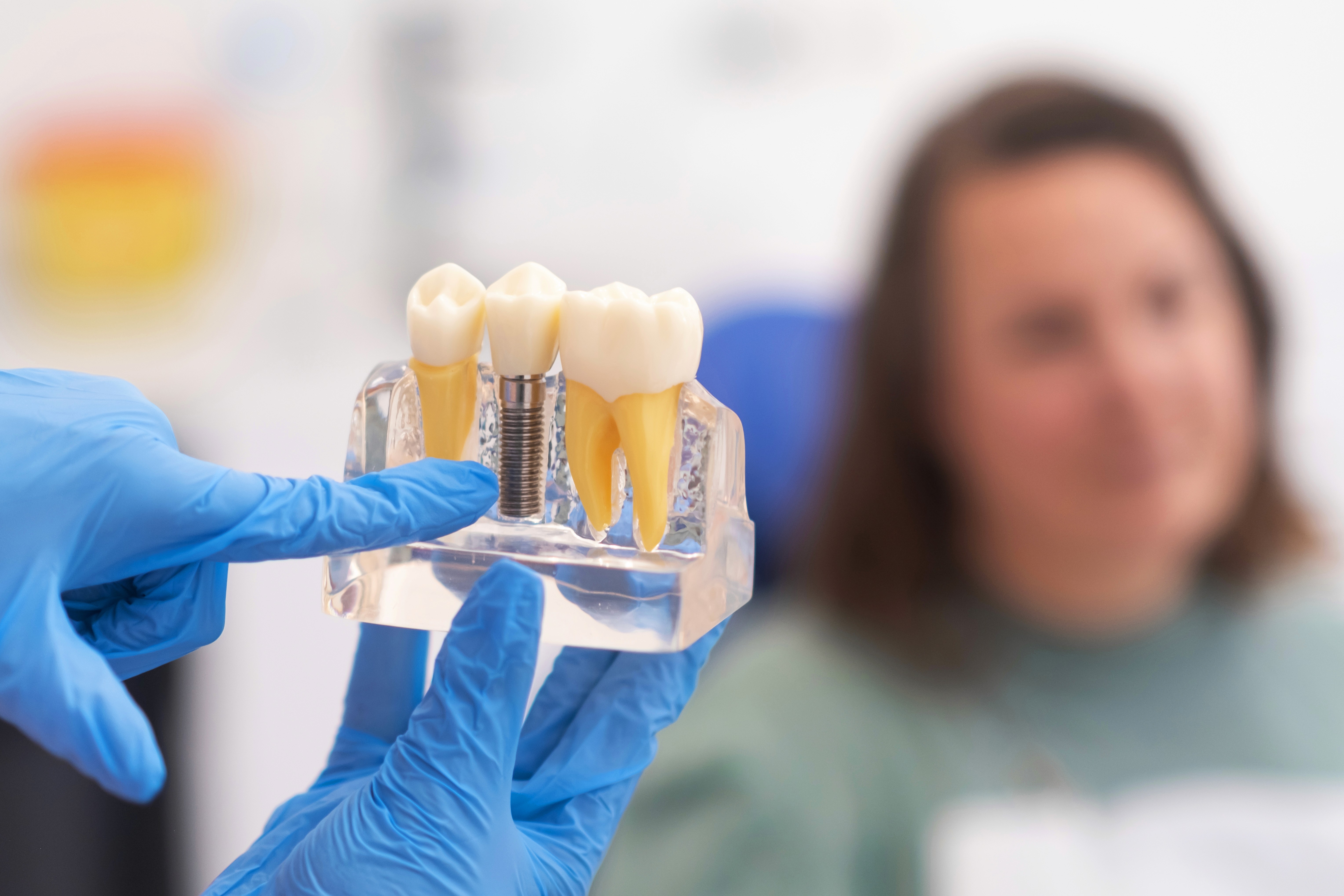
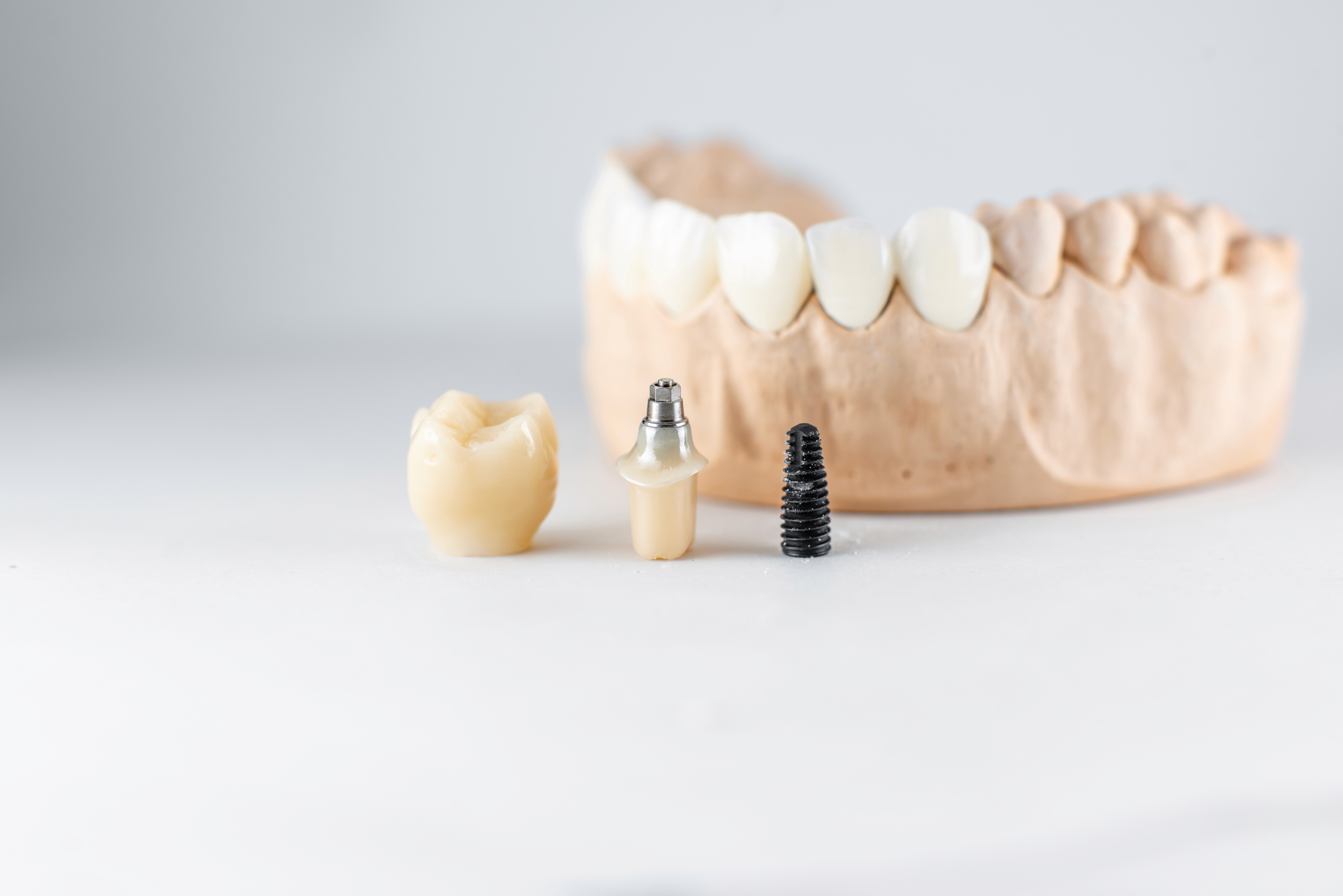
Bone grafting is a crucial step for patients considering dental implants, as it enhances the quality and quantity of bone where implants will be placed. Without sufficient bone, implants may fail, leading to additional procedures and costs.

Benefits for Long-term Dental Health

Investing in bone grafting not only improves implant success rates but also plays a significant role in maintaining overall oral health. Sufficient bone structure supports neighboring teeth and helps prevent further dental complications.

At Rana Dental, we emphasize the value of personalized approaches to every patient's needs. Our expert team can evaluate and advise on the best treatment options tailored to specific conditions, ensuring every patient feels confident in their dental care journey.

What Are the Different Types of Dental Bone Grafts?

There are various types of bone grafts used in dental procedures, including:

  1. Autografts: Bone harvested from the patient's own body, offering the best compatibility.

  2. Allografts: Bone obtained from a donor, typically from a tissue bank.

  3. Xenografts: Bone derived from animals, commonly bovine sources.

Advantages and Disadvantages of Each Type

  • Autografts tend to integrate well due to their natural compatibility but involve a second surgical site.

  • Allografts provide a simpler procedure with no additional surgical site but may carry a slight risk of rejection.

  • Xenografts are widely used and eliminate donor site concerns but may not integrate as seamlessly as autografts.

Which Graft Type Is Best for Your Dental Implant Needs?

Choosing the right graft type is essential and depends on several factors, including the patient's overall health, the extent of bone loss, and the location of the implant. A thorough consultation with a dental professional can help determine the most suitable option.

Factors Influencing Graft Choice

Key considerations include:

  • Patient's medical history

  • Availability of donor tissue

  • Desired outcomes for aesthetics and functionality

What Are the Step-by-Step Bone Grafting Procedures for Missing Teeth?

The step-by-step process of bone grafting can be divided into several critical phases:

  1. Consultation and Planning: Initial assessments and imaging studies guide the procedure.

  2. Anesthesia and Preparation: Local anesthesia is administered to minimize discomfort.

  3. Graft Placement: The chosen graft material is placed in the designated area.

  4. Post-operative Care: Instructions are provided to ensure proper recovery.

Potential Complications During the Procedure

While complications are rare, potential risks include infection, graft rejection, or insufficient bone growth. Careful adherence to recovery protocols significantly mitigates these risks.

How Does Bone Grafting Improve Implant Stability and Longevity?

Bone grafting enhances the stability of dental implants by ensuring adequate support within the jawbone. Properly integrated grafts lead to long-term success, promoting sustained implant longevity.

Long-term Outcomes of Successful Grafting

Patients who undergo successful bone grafting often enjoy improved oral health and functionality for many years, with many reporting satisfaction and enhanced quality of life.

Can Dental Implants Be Placed Without Bone Grafting?

In certain cases, dental implants can be placed without prior grafting. This situation generally applies when adequate bone volume and density are present.

Unique Conditions Allowing Direct Placement

Patients with minimal bone loss, specifically in areas with robust bone structure, may find that implants can be directly placed, saving time and reducing the need for additional procedures.

What Is the Healing Process and Aftercare Following Bone Grafting?

Understanding the healing process post-bone grafting helps in managing expectations and ensuring success. Patients are expected to follow specific care instructions during recovery.

Post-operative Care Tips

Essential post-operative care includes:

  • Regularly scheduled follow-ups with the dental provider

  • Monitoring for any unusual symptoms, such as prolonged pain or swelling

  • Adherence to dietary restrictions to promote healing

What Are Common Post-Operative Care Instructions?

Patients should be advised with the following care instructions to facilitate an optimal healing process:

  • Pain Management: Take pain relief medications as prescribed.

  • Dietary Recommendations: Stick to soft foods for the initial recovery period.

  • Signs of Infection: Be vigilant for symptoms like fever or worsening pain, and contact the dental office if they occur.

What Are Potential Risks, Complications, and Patient Experiences With Bone Grafting?

Although generally safe, bone grafting can involve certain risks, including infection or discomfort. Understanding these risks can help patients approach their care with transparency and preparation.

Real Patient Experiences

Many patients report positive experiences, emphasizing the importance of skilled professionals in conducting procedures and comprehensive care in post-operative stages. You can read about other patient experiences on our patient reviews page.

How Does Bone Graft Cost in Dental Procedures Affect Treatment Planning?

Considering the costs associated with bone grafting can significantly influence treatment decisions. These costs are often determined by several factors.

Factors Affecting the Cost of Bone Grafting

  1. Type of Graft Used: Autografts may be more expensive due to additional surgical procedures.

  2. Extent of Surgery: More extensive grafting can lead to higher costs.

  3. Location of the Procedure: Geographic factors may also influence the overall cost.

Are There Financing or Insurance Options for Bone Graft Procedures?

Fortunately, many financing options and insurance plans can assist patients in covering the costs of bone grafting procedures. Understanding available resources is crucial for effective treatment planning.

Overview of Financing Options Available

Patients should be informed about:

  • Insurance coverage for grafting

  • Flexible payment plans offered by dental practices

  • Potential for health savings accounts (HSAs) to cover necessary expenses

To explore specific treatment plans and understand facility capabilities, you can visit our in-house lab or contact us directly. By addressing patient concerns comprehensively, Rana Dental aims to facilitate a smoother journey toward improved oral health and efficacy in treatment planning for bone grafting. If you are considering bone grafting or dental implants, our office is equipped to assist you in exploring your options and developing a tailored treatment plan that meets your individual needs.

Frequently Asked Questions

What is the recovery timeline after a bone grafting procedure?

The recovery timeline after bone grafting can vary from patient to patient. Generally, you can expect the healing process to take between 3 to 6 months. During this period, the graft material integrates with the jawbone. While some patients may feel significant improvement in a few weeks, full integration is essential before proceeding with dental implants. Close communication with your dental provider and adherence to post-operative care will help ensure a smooth recovery.

Are there dietary restrictions after bone grafting?

Yes, following a bone grafting procedure, soft diet restrictions are recommended to avoid putting unnecessary stress on the surgical site. Patients should generally stick to soft foods for the first few weeks post-surgery. This includes items like yogurt, applesauce, and soups. As healing progresses, you can gradually reintroduce normal foods based on your comfort level and your dentist's advice. Maintaining these dietary guidelines is crucial for optimal healing.

How can I prepare for a bone grafting procedure?

Preparing for a bone grafting procedure effectively involves a few key steps. First, have a thorough consultation with your dentist to discuss your medical history, expectations, and the specific type of graft recommended. Ensure all necessary imaging studies are completed. It's also advisable to arrange transportation for after the procedure, as anesthesia may affect your mobility. Lastly, following pre-operative dietary restrictions and medication guidelines will help facilitate a smooth operation.

What factors can affect the success rate of bone grafting?

The success rate of bone grafting can be influenced by various factors, including the patient's overall health, smoking habits, and adherence to post-operative care instructions. The placement and quality of the graft material also play substantial roles. Furthermore, underlying dental conditions like uncontrolled gum disease can negatively impact healing and integration. Therefore, a comprehensive assessment and follow-ups with your dental provider are crucial for maximizing the chances of a successful outcome.

Are there alternatives to bone grafting for dental implants?

Yes, there are alternatives to bone grafting for dental implants, especially in cases where sufficient bone density is present. In some situations, patients may qualify for techniques such as mini dental implants, which require less bone support. Additionally, advanced technologies like zygomatic implants can be employed for patients with significant bone loss. Consulting with a dental specialist can help determine if you're a candidate for these alternative solutions.

What role does dental insurance play in covering bone grafting costs?

Dental insurance can play a significant role in offsetting the costs of bone grafting procedures, though coverage varies widely among plans. Most insurance policies consider bone grafting a necessary part of dental implant therapy, and may cover a portion of the procedure depending on your specific dental needs and policy limitations. It's essential to consult with your insurance provider and discuss options with your dental practice to understand your potential out-of-pocket expenses.

What signs indicate complications after a bone grafting procedure?

After a bone grafting procedure, patients should monitor for certain signs that may indicate complications. These include persistent swelling, increasing pain, unusual redness, or fluid discharge from the surgical site. Additionally, fever or systemic discomfort could signal infection. If you experience any of these symptoms, it is crucial to contact your dental provider immediately to ensure appropriate intervention and to prevent further complications during the healing process.

Your Smile Journey Begins In One Click

Our Lincoln Park, NJ Dental Office

Conveniently located on Route 46 in Lincoln Park, The Implant Center is accessible to patients throughout Northern New Jersey and beyond. Our modern, comfortable office is designed to make your dental visits as pleasant and efficient as possible. Free parking available.

Hours

Monday - Thursday
Friday
Saturday - Sunday

10:00AM - 6:00PM
9:00AM - 2:00PM
Closed

Comprehensive Dental of Lincoln Park | All Rights Reserved.

Your Smile Journey Begins In One Click

Our Lincoln Park, NJ Dental Office

Conveniently located on Route 46 in Lincoln Park, The Implant Center is accessible to patients throughout Northern New Jersey and beyond. Our modern, comfortable office is designed to make your dental visits as pleasant and efficient as possible. Free parking available.

Hours

Monday - Thursday
Friday
Saturday - Sunday

10:00AM - 6:00PM
9:00AM - 2:00PM
Closed

Comprehensive Dental of Lincoln Park | All Rights Reserved.

<script type="application/ld+json">{"@context":"https://schema.org","@graph":[{"@type":"Article","headline":"Understanding Bone Grafting for Missing Teeth","description":"Learn how bone grafting rebuilds the jaw after tooth loss, prepares patients for dental implants, and what recovery involves at Rana Dental in Lincoln Park, NJ.","url":"https://www.ranadental.com/blog/understanding-bone-grafting-for-missing-teeth","author":{"@type":"Organization","name":"Rana Dental"},"publisher":{"@type":"Organization","name":"Rana Dental","address":{"@type":"PostalAddress","streetAddress":"166 Main St 2nd Floor","addressLocality":"Lincoln Park","addressRegion":"NJ","postalCode":"07035"}},"datePublished":"2026-06-08"},{"@type":"FAQPage","mainEntity":[{"@type":"Question","name":"What is bone grafting for missing teeth?","acceptedAnswer":{"@type":"Answer","text":"Bone grafting is a surgical procedure that replaces missing jawbone lost due to tooth extraction, trauma, or periodontal disease, rebuilding the volume needed to support dental implants."}},{"@type":"Question","name":"How long does bone graft healing take before implants?","acceptedAnswer":{"@type":"Answer","text":"Bone graft healing typically takes 3-6 months before dental implants can be placed, depending on the size of the graft and the patient's healing capacity."}},{"@type":"Question","name":"Is bone grafting painful?","acceptedAnswer":{"@type":"Answer","text":"The procedure is performed under local anesthesia. Post-operative discomfort is manageable with prescribed pain relievers, and most patients resume normal activity within a few days."}},{"@type":"Question","name":"Who needs a bone graft before dental implants?","acceptedAnswer":{"@type":"Answer","text":"Patients who have experienced significant bone loss due to tooth loss, gum disease, or injury may need a bone graft to create sufficient bone volume for stable implant placement."}}]},{"@type":"BreadcrumbList","itemListElement":[{"@type":"ListItem","position":1,"name":"Home","item":"https://www.ranadental.com"},{"@type":"ListItem","position":2,"name":"Blog","item":"https://www.ranadental.com/blog"},{"@type":"ListItem","position":3,"name":"Bone Grafting for Missing Teeth","item":"https://www.ranadental.com/blog/understanding-bone-grafting-for-missing-teeth"}]}]}</script>